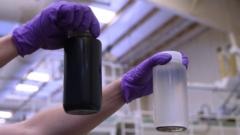
How to destroy harmful ‘forever chemicals’
Per- and polyfluoroalkyl substances (PFAS), often referred to as “forever chemicals,” have garnered significant attention due to their persistence in the environment and potential health risks. Once celebrated for their durability and resistance to heat, water, and grease, PFAS have been widely used in various products, including non-stick cookware, water-repellent fabrics, and firefighting foams. However, growing concerns about their environmental impact and links to health issues, such as cancer and hormone disruption, have prompted a critical reevaluation of their use. As a result, researchers and companies are now focusing on developing effective methods to eliminate these chemicals from our ecosystems and drinking water supplies.
Innovative solutions are emerging to tackle the PFAS crisis. For instance, scientists are exploring advanced oxidation processes, thermal treatments, and bioremediation techniques that can break down these stubborn compounds. Companies are investing in technologies that utilize high temperatures or chemical reactions to decompose PFAS, transforming them into less harmful substances. One notable example is the use of specialized incineration methods that can achieve temperatures exceeding 1,000 degrees Celsius, effectively destroying PFAS molecules. Furthermore, researchers are investigating the potential of using microorganisms that can metabolize PFAS, offering a more sustainable approach to remediation. As regulatory pressures increase and public awareness grows, the demand for these innovative solutions is likely to rise, driving further advancements in PFAS destruction technologies.
The urgency to address PFAS contamination is underscored by the widespread presence of these chemicals in water supplies and soil across the United States and beyond. Recent studies have detected PFAS in drinking water sources, raising alarms among health officials and prompting calls for stricter regulations. As communities grapple with the legacy of PFAS pollution, the development of effective destruction methods not only offers hope for remediation but also paves the way for a future with safer alternatives. The transition from reliance on PFAS to more sustainable materials is crucial in preventing further environmental harm and protecting public health. As companies and researchers continue to innovate, the path toward a PFAS-free future may become increasingly attainable, offering a glimmer of hope in the ongoing battle against these persistent pollutants.
https://www.youtube.com/embed/H3aFzQdWQTg
PFAS were once prized for their durability, but now firms are developing ways to destroy them.