Rediscovered Fossil Redraws the Map of Woolly Mammoth Territory
Recent research has unveiled that woolly mammoths, the iconic Ice Age mammals, roamed much farther east than previously documented, challenging long-held beliefs about their habitat. A study led by an international team of scientists analyzed ancient DNA extracted from sediment samples in the eastern Siberian region of Chukotka, revealing that these majestic creatures ventured into areas that were once considered uninhabitable due to harsh climatic conditions. This groundbreaking finding suggests that woolly mammoths adapted to a wider range of environments than scientists had assumed, expanding their geographical footprint across the northern tundra.
The research highlights the significance of using environmental DNA (eDNA) as a tool for uncovering the historical distribution of species. By examining sediment cores from various locations, the scientists were able to identify traces of mammoth DNA, indicating their presence in regions that were previously thought to be beyond their reach. For instance, the study found evidence of these mammals in areas that were not only colder but also featured different ecological characteristics than their known habitats. This discovery not only enriches our understanding of woolly mammoth behavior and adaptability but also provides insights into the ecological dynamics of the Pleistocene era, showcasing how these creatures thrived in a rapidly changing environment.
Moreover, this research opens up new avenues for understanding the extinction of woolly mammoths. By mapping their broader range, scientists can better assess the factors that contributed to their decline, including climate change and human activity. The findings underscore the importance of interdisciplinary approaches in paleontology, as combining genetics with environmental science can yield a more comprehensive picture of historical biodiversity. As researchers continue to explore the past through innovative techniques like eDNA analysis, we can expect to uncover even more surprising revelations about woolly mammoths and their role in the prehistoric world.
https://www.youtube.com/watch?v=E3A-6VwcBms
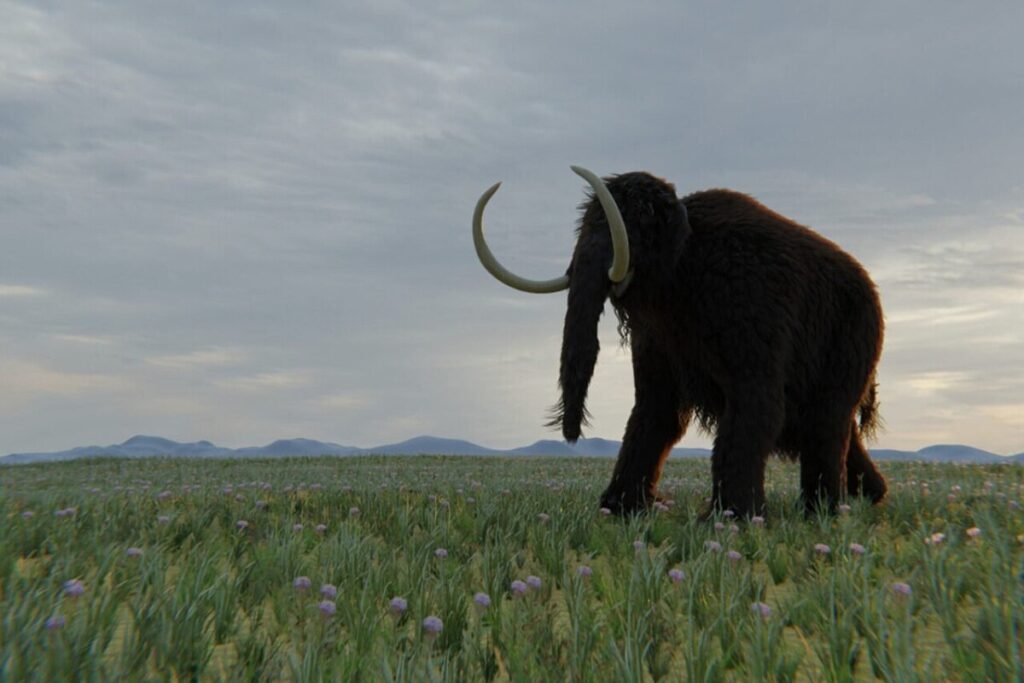
New research shows that woolly mammoths roamed farther east than scientists previously thought.