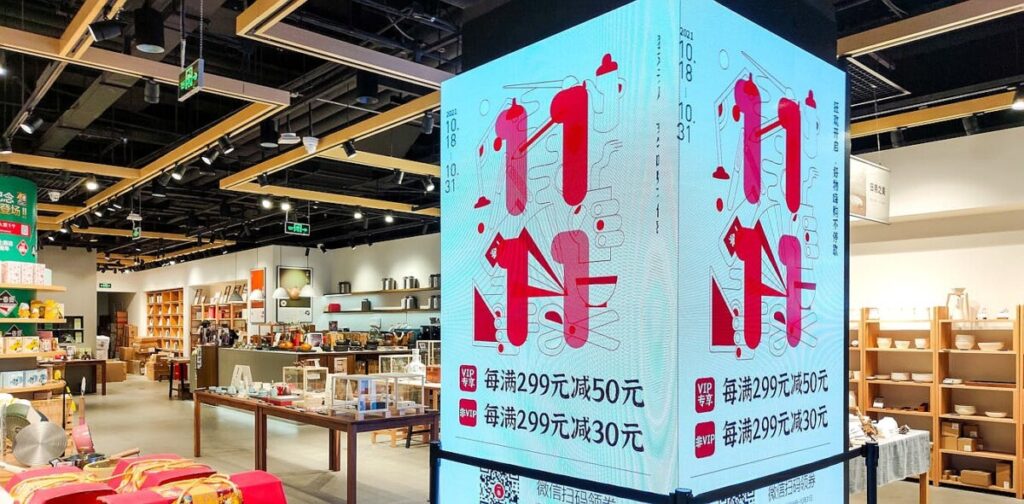
Singles’ Day is a $150B holiday in China. Here’s why I think ‘11/11’ will catch on in the US
### Singles’ Day: The Celebration of Independence and Consumer Power
Every November 11, a unique holiday known as Singles’ Day takes center stage in China, transforming from a playful counter to Valentine’s Day into the world’s largest shopping event. Originating in the 1990s among Nanjing University students, the date 11/11 was chosen for its visual representation of “bare sticks,” a colloquial term for singles in Chinese culture. Today, Singles’ Day generates over $150 billion in sales annually, surpassing the combined revenues of Black Friday and Amazon Prime Day. This remarkable growth reflects not only a cultural shift but also the changing landscape of consumer behavior, particularly among singles.
As a behavioral economist and business school professor, I have explored how the rise of single living is reshaping market dynamics. The unmarried population is expected to become the majority in several countries, particularly in Asia, where cultural and economic factors have significantly influenced this trend. In China, the legacy of the one-child policy has created a gender imbalance that leaves many men without partners, while women increasingly prioritize education and careers over traditional marriage. Similar patterns are observed across East Asia, with Japan and South Korea witnessing a rise in single-person households and a celebration of independence through movements like “ohitorisama” and “honjok.” Businesses have quickly adapted to these changes, offering products and services tailored to the single lifestyle, from single-seat karaoke booths to exclusive Singles’ Day promotions featuring limited-edition products from major brands like Xiaomi and Nike.
In the U.S., the landscape of single living is equally significant, with half of American adults currently unmarried. Contrary to the past, where only 10% of adults remained single for life, projections suggest that up to 25% of millennials and 33% of Gen Z may never marry. My research identifies four distinct types of singles—“Somedays,” “Just Mays,” “New Ways,” and “No Ways”—each with unique aspirations and lifestyles. This diversity highlights the need for American businesses to rethink their marketing strategies. While some companies have begun to recognize this demographic shift, many still cling to outdated assumptions about romance and belonging. Brands that embrace the single lifestyle and cater to the varied goals of this growing market stand to gain significantly. For instance, offering solo travel packages or creating inclusive events can tap into the immense spending power of singles, much like the success seen during Singles’ Day in Asia. As the solo economy continues to expand, the question remains: how long will it take for U.S. brands to fully embrace this opportunity? The rise of Singles’ Day serves as a compelling case for innovation and cultural relevance in a world increasingly defined by independence.
On Nov. 11 each year, a curious holiday takes over China. What began among Nanjing University students in the 1990s as a tongue-in-cheek counter to Valentine’s Day has exploded into the
world’s largest shopping event
: Singles’ Day.
The date, 11/11, was chosen because the four ones resemble “bare sticks,” Chinese slang for singles. Today, the holiday generates more than US$150 billion in annual sales, exceeding those on
Black Friday and Amazon Prime Day combined
.
As a bachelor, behavioral economist and
business school professor
, I study how single living is transforming consumer behavior and market dynamics. My work has convinced me that Singles’ Day, or something like it, could resonate far beyond Asia. Here’s why.
A profitable solo boom, starting in Asia
The unmarried will
soon make up the majority
in many countries, and this shift is already reshaping culture and commerce across Asia.
It’s not a coincidence that Singles’ Day emerged in China. The country’s one-child policy, in effect from 1980 to 2015, led many families to
prefer sons
– creating a gender imbalance that left millions of men without potential female partners. At the same time, rising education and career opportunities have given many women the independence
to forgo traditional marriage altogether
.
You can see a similar pattern across East Asia. In Japan,
single-person households
now outnumber those of married couples with children. In
South Korea
, one-person households reached nearly 36% in 2023, the highest share on record. Together, these shifts are fueling what Japanese call “
ohitorisama
,” or the “party of one,” and what Koreans describe as “
honjok
,” or “alone tribe,” cultures: movements that celebrate independence and self-reliance.
Businesses across Asia have seized the opportunity, catering to independent lifestyles with offerings such as
single-seat karaoke booths
and movie theaters designed for
solo patrons
. Singles’ Day is a prime example of companies capitalizing on this shift.
Each year, retailers across Asia embrace the occasion with themed promotions, presales and limited-edition product launches. Companies such as
Xiaomi
release exclusive smartphones, while
Nike
introduces new sneakers every Singles’ Day. Even airlines have joined in:
Singapore’s Jetstar Asia
once offered 111,111 discounted seats, positioning solo travel as an empowering experience.
Singles’ Day channels massive spending power – reframing singlehood as something to celebrate rather than lament – and shows how a retail event can feed a cultural shift. In the U.S. and across much of the rest of the world, meanwhile, businesses remain wed to an outdated assumption: that marriage is everyone’s destiny. It’s not.
Single in America
Right now,
half of American adults are unmarried
, and
half of those singles
aren’t seeking a relationship.
In 1960, only
10% of American adults
would remain single for life. Today, some forecasts show that
25% of millennials
, who are now between 29 and 44, and
33% of Gen Z
who are 13 to 28, will never marry. While the average age of first marriage was just
21 in 1960
, today it has
risen to 29
.
Through my Solo project – which includes a
book
,
podcast
and
TED talk
– I explore how widely single people’s goals vary, both in relationships and beyond.
By understanding singles’ diverse goals and lifestyles, American businesses can gain a competitive edge with targeted communication, innovative products and tailored services. Singles aren’t a monolith. My research identifies four main types:
“Somedays”
aspire to find “the one” and settle down. They are the group businesses usually market to.
“Just Mays”
share that goal but aren’t waiting around for it – they’re investing in homes, traveling solo and pursuing independent ambitions in the meantime.
“New Ways”
reject the idea that traditional marriage is the default, experimenting with models such as “living apart together,” polyamory or platonic partnerships.
“No Ways”
are opting out of the dating market entirely. Most do so not out of bitterness but because they have more important goals – or because they simply enjoy single life.
This diversity matters. “Somedays” may respond to dating apps and matchmaking services. “Just Mays” and “New Ways” gravitate toward experiences, hobbies and personal growth. “No Ways” are alienated by romance-centric messaging and instead embrace autonomy and community.
To explore how Singles’ Day might be received in North America, I
surveyed
nearly 400 U.S. singles ages 24 to 59. The most common ways they said they’d celebrate were by finding a date, treating themselves to a gift or practicing self-care.
American companies and the solo economy
In many industries, a 2% demographic shift ought to trigger an all-hands marketing meeting. So how can the decades-long rise of single living still go largely overlooked by most companies in the U.S.?
To be fair, there have been glimmers of recognition in recent years. For example,
in 2021, Visible Wireless repositioned its “family plans
” to “friends and family plans without the family drama.” In 2024, Norwegian Cruise Line
introduced studio cabins for solo travelers
, tackling the long-standing and dreaded “single supplement.” Similarly, IKEA, after offering a
Valentine’s dinner only for couples
in 2024, pivoted this year to
an inclusive promotion
: “Bring a loved one, a good friend, or the whole family.”
But those are the exceptions rather than the rule. What should U.S. brands do to appeal to this growing market? Here’s my advice:
Rethink assumptions about dating and belonging.
Not all singles seek romance. Create meaningful nonromantic experiences that reflect solo lifestyles – singles-themed events, community nights or “bring-a-friend (or don’t)” offers.
Segment by goals, not just age.
A 25-year-old solo traveler and a 60-year-old empty-nester may both respond to a message about independence.
Tailor offerings for people who live – and do things – alone.
The “
rightsizing
” trend is already underway: smaller grocery packs, single-serve meal kits, compact appliances and studio-friendly furniture. Travel and entertainment can follow suit with solo pricing, seating and perks that don’t penalize independence.
I teach my business students to ask, “Is there a market?” and “Can we serve it profitably?” The answers here are obvious. Singles are everywhere. They’re dining alone, traveling solo, buying homes and spending billions. And yet they remain largely overlooked in a world built for two.
The rise of Singles’ Day in Asia shows what happens when businesses take singles seriously: consumer innovation, cultural relevance and record-breaking profits. I expect the U.S. will follow – whether reluctantly or enthusiastically. The only question in my mind is: When?
I have a book (“Solo: Building a Remarkable Life of Your Own”) and a podcast (“Solo – The Single Person’s Guide to a Remarkable Life”) that are relevant to this article.


