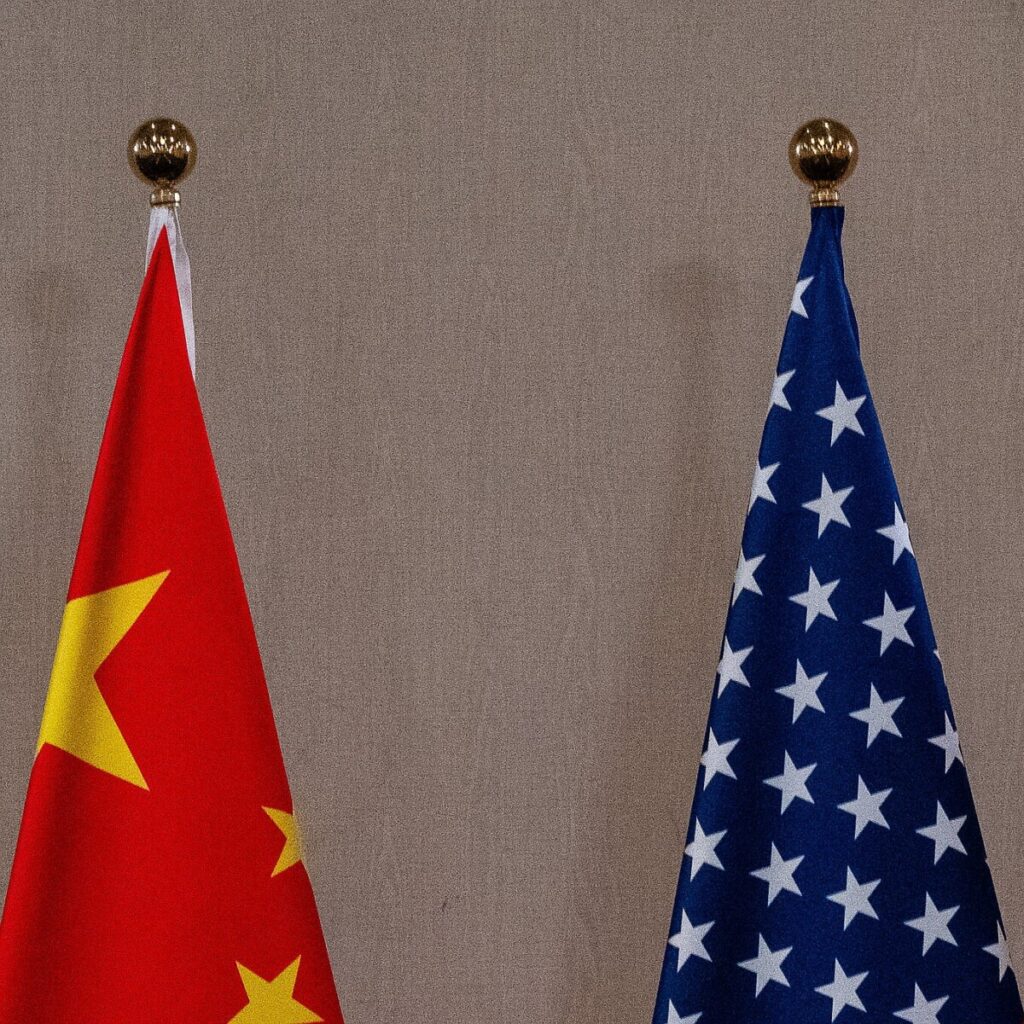
China Started Separating Its Economy From the West Years Ago
In a rapidly evolving global economy, China’s strategic maneuvers are increasingly influencing the U.S. economic landscape, presenting both challenges and opportunities for Washington. As the world’s second-largest economy, China wields considerable power, particularly in sectors such as technology, manufacturing, and trade. Recent analyses suggest that China can effectively apply economic pressure on the United States while simultaneously complicating Washington’s efforts to counteract its influence. This dynamic is evident in various sectors, including rare earth minerals, technology supply chains, and trade relationships, where China holds significant leverage.
One of the most prominent examples of China’s economic clout is its control over rare earth elements, which are essential for the production of high-tech devices, electric vehicles, and renewable energy technologies. The U.S. relies heavily on imports of these materials, with China currently accounting for over 80% of the global supply. This dependency creates a precarious situation for the U.S., as any disruption in the supply chain could severely impact American industries and national security. Furthermore, as the U.S. government seeks to implement policies aimed at reducing reliance on Chinese goods, such as tariffs and trade restrictions, China has the ability to retaliate in ways that could destabilize the U.S. economy. For instance, China could restrict exports of critical components, thereby hampering American manufacturers and tech companies.
Moreover, China’s growing influence in global trade networks complicates Washington’s ability to isolate Beijing economically. With initiatives like the Belt and Road Initiative, China is expanding its economic ties with countries across Asia, Africa, and beyond, creating a web of partnerships that strengthens its position on the world stage. This interconnectedness not only enhances China’s economic resilience but also diminishes the effectiveness of U.S. sanctions and trade policies aimed at curbing Chinese expansion. As the competition between the two nations intensifies, it becomes increasingly clear that any attempt by the U.S. to block or contain China’s rise must navigate a complex landscape where economic interdependence plays a crucial role.
In conclusion, China’s ability to exert economic pressure on the U.S. while making it challenging for Washington to respond effectively highlights a critical aspect of modern geopolitics. The intertwining of global supply chains and economic dependencies underscores the need for a nuanced approach in addressing the U.S.-China relationship. As both nations continue to vie for dominance, understanding these dynamics will be essential for policymakers and businesses alike, as they navigate an uncertain future shaped by economic competition and collaboration.
Related articles:
– Link 1
– Link 2
China is able to pressure the U.S. economy, while making it harder for Washington to block China.