Trump’s Bleak View of the World
In a significant shift from previous administrations, President Trump’s recently released National Security Strategy outlines a more constricted view of American interests on the global stage. This new framework, unveiled last month at the White House, emphasizes a more transactional approach to international relations, reflecting Trump’s “America First” doctrine. The strategy identifies key threats and challenges that the administration perceives as critical to national security, including the rise of China and Russia, terrorism, and the proliferation of nuclear weapons. Unlike earlier strategies that promoted a broad engagement with allies and multilateral institutions, Trump’s approach is more focused on direct national interests, often prioritizing economic gains and military readiness over diplomatic relationships.
The implications of this strategy are profound, as it signals a departure from the long-standing U.S. role as a global leader and promoter of democratic values. For instance, the document suggests a willingness to reevaluate longstanding alliances and partnerships, potentially undermining decades of diplomatic efforts aimed at fostering stability and cooperation. The strategy also highlights an increased emphasis on economic competition, particularly with China, framing the relationship in terms of rivalry rather than collaboration. This shift could lead to heightened tensions in international relations, as traditional allies may find themselves reassessing their own security and economic strategies in response to the U.S.’s narrowed focus.
Moreover, the National Security Strategy reflects a broader ideological shift within the Trump administration, which has consistently advocated for a more isolationist stance. By narrowing the scope of American interests, the administration is effectively redefining what it means to be a global power in the 21st century. Critics argue that this could lead to a more fragmented international order, with countries increasingly pursuing their own interests without the stabilizing influence of U.S. leadership. As the world grapples with complex challenges like climate change, global pandemics, and transnational terrorism, the implications of this new strategy will likely resonate far beyond American borders, shaping the geopolitical landscape for years to come.
https://www.youtube.com/watch?v=9fOg_9RgxxM
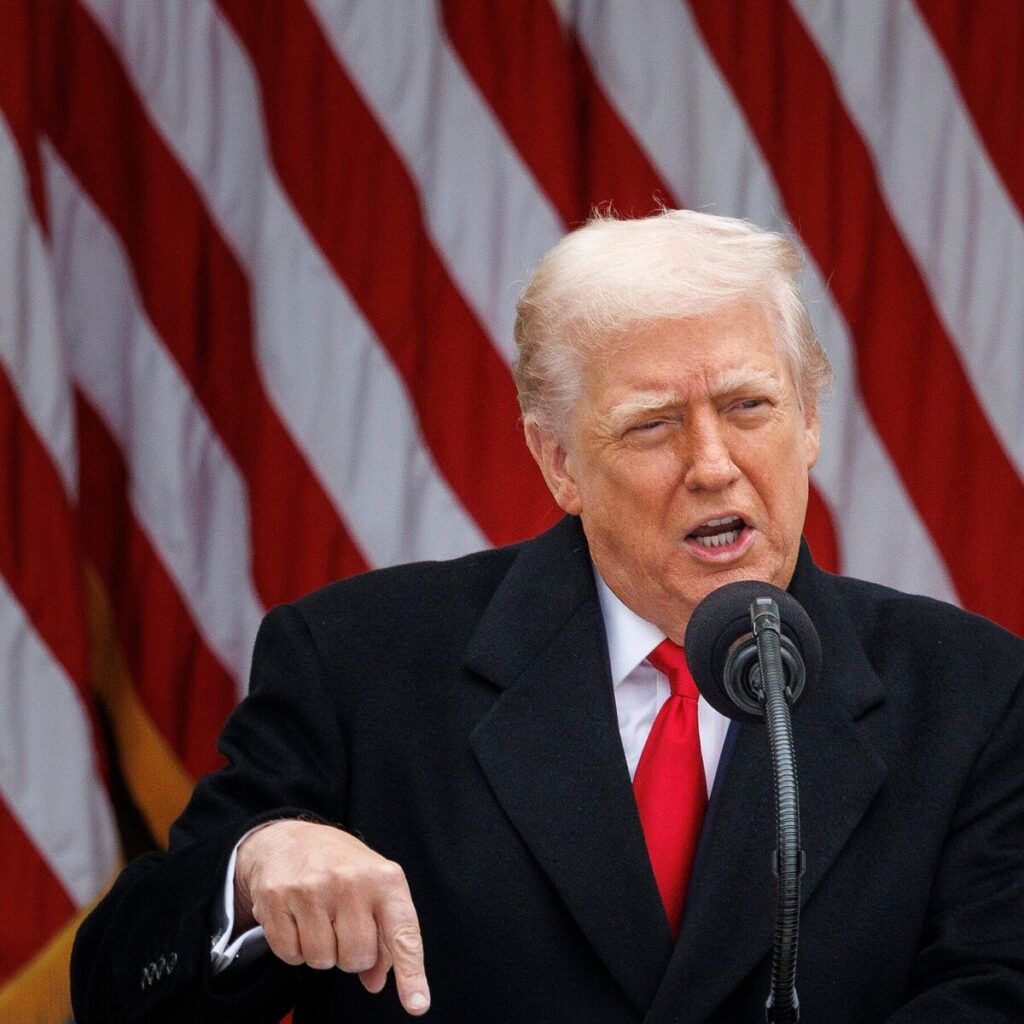
President Trump at the White House last month. The National Security Strategy his administration released describes a world in which American interests are far narrower than how prior administrations — even in his first term — had portrayed them.


