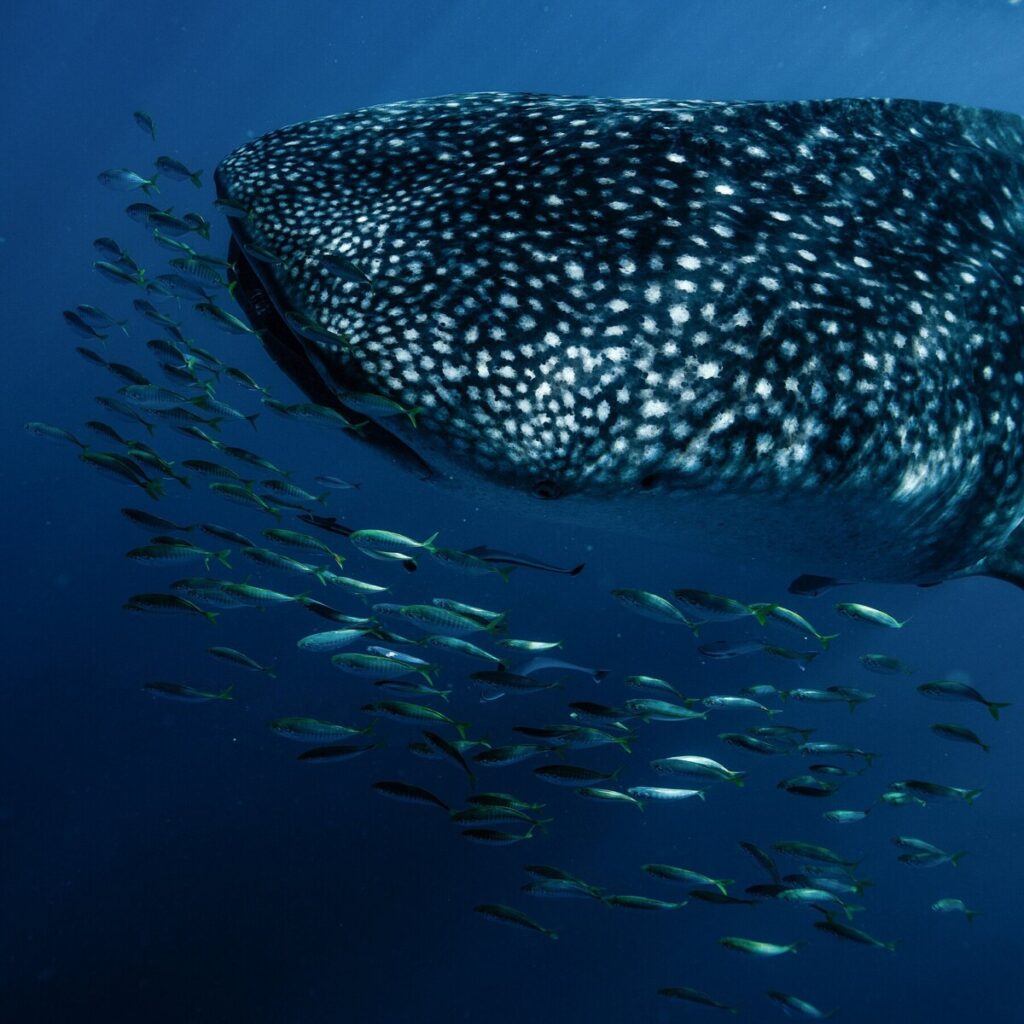
Sharks and Rays Gain Sweeping Protections from Wildlife Trade
A significant milestone in marine conservation has been achieved with the adoption of a global treaty aimed at protecting over 70 species of sharks and rays, many of which are facing alarming population declines due to overfishing and habitat loss. This landmark agreement was reached during the 19th Conference of the Parties to the Convention on International Trade in Endangered Species of Wild Fauna and Flora (CITES) held in Panama City. The treaty establishes stricter trade regulations for these vulnerable species, ensuring that international trade does not threaten their survival. This decision marks a critical step forward in global efforts to safeguard marine biodiversity and maintain the health of ocean ecosystems.
The newly protected species include various types of hammerhead sharks, manta rays, and sawfish, all of which have seen dramatic reductions in their populations over recent decades. For instance, the International Union for Conservation of Nature (IUCN) has classified many of these species as endangered or critically endangered. The treaty’s provisions require exporting countries to demonstrate that any trade in these species is sustainable and does not contribute to their decline. This is particularly crucial given that many sharks and rays are targeted for their fins, meat, and other body parts, which are highly valued in international markets. By extending trade protections, the treaty aims to reduce illegal fishing practices and promote sustainable fisheries management, thereby fostering the recovery of these essential marine species.
The adoption of this treaty reflects a growing recognition of the ecological importance of sharks and rays, which play vital roles in maintaining the balance of marine ecosystems. As apex predators, sharks help regulate fish populations and maintain the health of coral reefs. The decline of these species not only threatens their survival but also jeopardizes the overall health of ocean environments. Conservationists and marine biologists have hailed this treaty as a crucial step in reversing the trend of marine biodiversity loss and promoting sustainable practices that benefit both wildlife and fishing communities. As countries work to implement the treaty’s measures, there is hope that these protective actions will lead to a resurgence in shark and ray populations, ensuring their survival for future generations.
A global treaty has extended trade protections to more than 70 shark and ray species whose numbers are in sharp decline.


