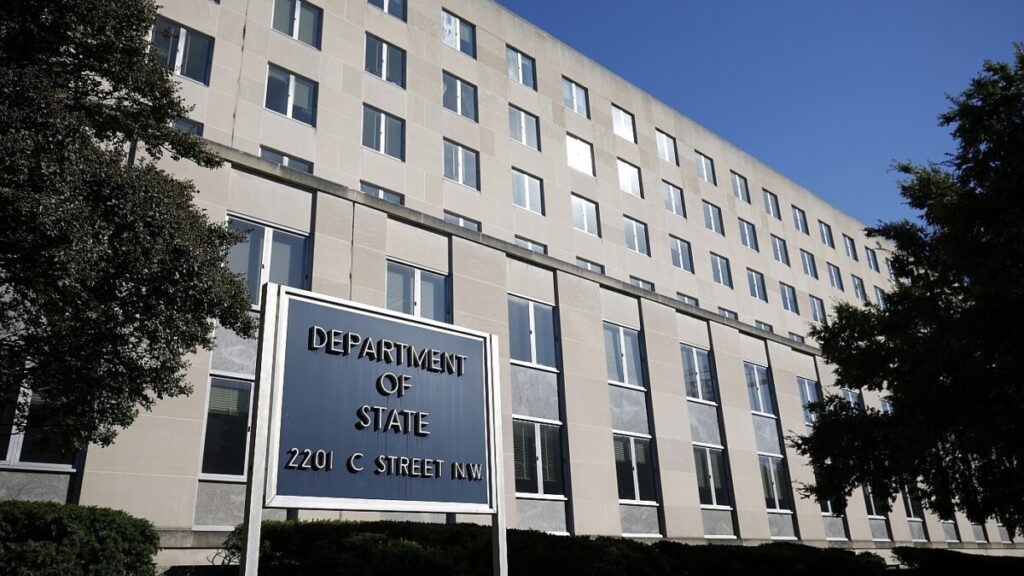
State Department to deny visas to fact checkers and others, citing ‘censorship’
In a significant move that could reshape the landscape of employment-based immigration, the Trump administration has implemented an executive order aimed at H-1B visa applicants, a category predominantly utilized by tech companies to hire skilled foreign workers. This order is part of a broader campaign against online content moderation, underscoring the administration’s ongoing efforts to address perceived biases in the tech industry. The H-1B visa program has long been a vital avenue for U.S. tech companies to attract top talent from around the globe, allowing them to fill specialized roles that are often hard to fill domestically. By tightening the rules surrounding this visa category, the administration seeks to prioritize American workers and curb what it views as an over-reliance on foreign labor.
The implications of this order are far-reaching. For tech companies that rely heavily on H-1B visas to recruit engineers, data scientists, and other professionals, the new restrictions could hinder their ability to innovate and compete on a global scale. The order introduces more stringent criteria for visa approval, including increased scrutiny of applicants’ qualifications and the job positions they are filling. This could lead to delays in hiring and a potential talent shortage in the tech sector, which has already been grappling with a skills gap. Furthermore, the order aligns with the administration’s broader narrative that critiques the practices of major tech firms, particularly regarding their content moderation policies and perceived political biases. By linking immigration policy to these issues, the administration is framing the debate around H-1B visas not just as an economic concern, but as part of a larger cultural and political struggle.
In addition to the direct impact on the tech industry, this executive order raises questions about the future of immigration policy in the United States. As the administration continues to advocate for stricter immigration controls, the balance between protecting American jobs and fostering a competitive business environment becomes increasingly precarious. Critics of the order argue that it could stifle innovation and lead to a brain drain, where talented individuals choose to pursue opportunities in countries with more welcoming immigration policies. As the situation unfolds, it will be crucial for stakeholders across various sectors to engage in dialogue about the implications of these changes and to advocate for policies that support both American workers and the essential contributions of foreign talent to the U.S. economy.
https://www.youtube.com/watch?v=40X3s0wy2xU
The order is focused on applicants for H-1B visas, which are frequently used by tech companies and is part of a campaign by the Trump administration against online content moderation.
(Image credit: Kevin Dietsch)