Cold Case Inquiries Stall After Ancestry.com Revisits Policy for Users
David Gurney, the head of Ramapo College’s Investigative Genetic Genealogy Center in New Jersey, has expressed significant concerns over the recent loss of access to Ancestry, a leading genealogy platform. This setback has severely impacted the center’s ability to conduct vital work in solving cold cases and aiding law enforcement in identifying unknown victims. Investigative genetic genealogy has emerged as a powerful tool in modern forensic science, allowing investigators to use DNA evidence and genealogical research to trace familial connections and identify individuals who might otherwise remain anonymous. Gurney emphasized that the depth of data available through Ancestry has been instrumental in the center’s success, and the withdrawal of access has created a substantial barrier to their ongoing projects.
The ramifications of this access loss extend beyond the center itself; it poses a broader challenge to the field of forensic genealogy. For instance, Gurney’s team has previously utilized Ancestry’s extensive database to crack complex cases, such as identifying victims of historical crimes or solving modern-day murders. The platform not only offers a vast repository of genetic data but also provides users with family trees and historical context that can be pivotal in investigations. Without this resource, the center risks falling behind in a field that is rapidly evolving and increasingly reliant on technological advancements. Gurney’s statements highlight the urgent need for alternative solutions or partnerships that could mitigate the impact of this loss, ensuring that the center can continue its mission to bring closure to families and justice for victims.
In light of these challenges, Gurney is actively seeking alternative databases and collaborative opportunities that could help bridge the gap left by Ancestry’s withdrawal. He advocates for a more collaborative approach within the forensic genealogy community, emphasizing the importance of sharing resources and knowledge to enhance investigative outcomes. As the demand for genetic genealogy continues to grow, the need for accessible databases and supportive frameworks becomes increasingly critical. Gurney’s situation serves as a reminder of the delicate balance between privacy concerns and the imperative of justice in the digital age, underscoring the ongoing dialogue about the ethical implications of using genetic data in criminal investigations.
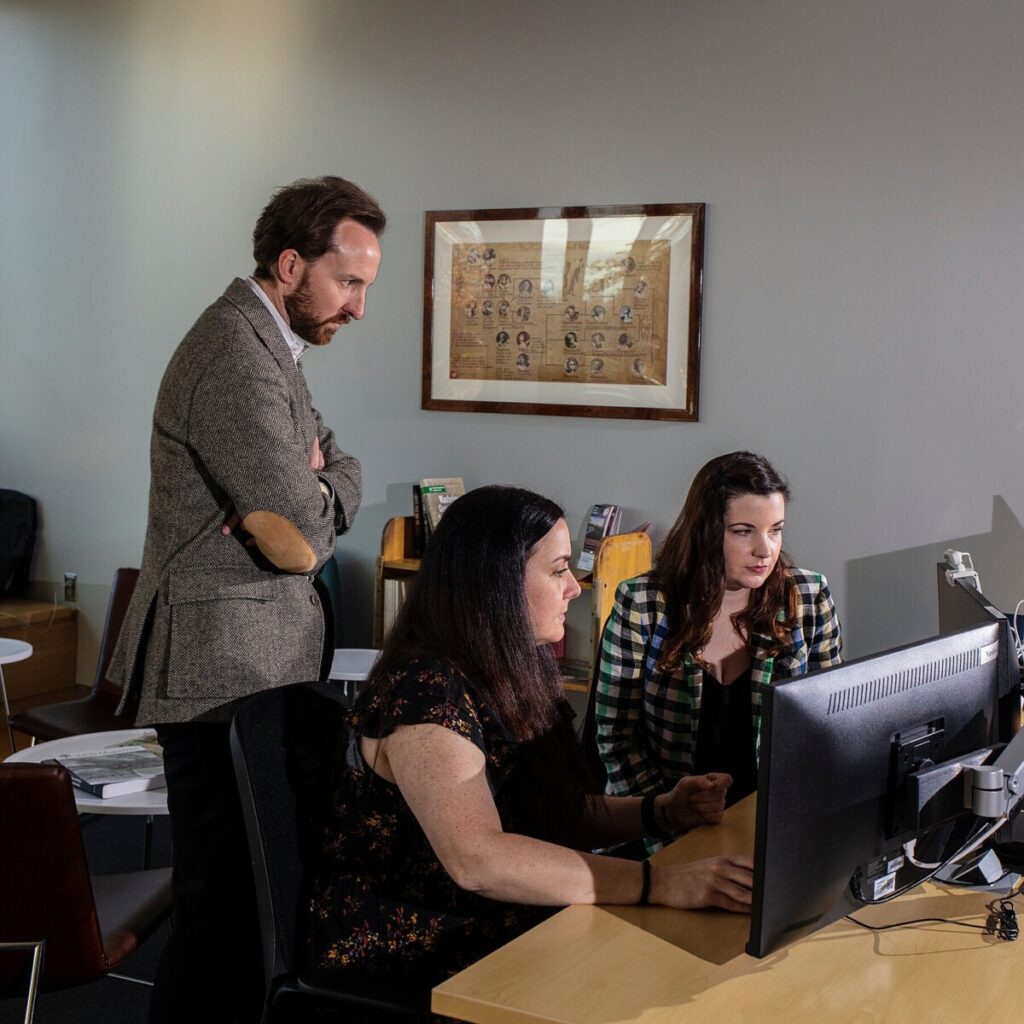
David Gurney, head of Ramapo College’s Investigative Genetic Genealogy Center in New Jersey, said losing access to Ancestry had hindered crucial work.