Cold Case Inquiries Stall After Ancestry.com Revisits Policy for Users
David Gurney, the head of the Investigative Genetic Genealogy Center at Ramapo College in New Jersey, has expressed significant concerns regarding the recent loss of access to Ancestry, a leading genealogical database. This setback has profound implications for ongoing investigations, particularly in the field of solving cold cases and identifying unidentified remains. Gurney emphasizes that Ancestry’s extensive database is a vital tool for genetic genealogists, providing critical information that links DNA samples to potential relatives and, ultimately, to the identities of individuals involved in unresolved criminal cases.
The ramifications of losing access to Ancestry extend beyond mere inconvenience; they hinder the progress of investigations that rely on genetic genealogy to bring closure to families and justice to victims. For example, Gurney’s team has successfully utilized genetic genealogy in previous cases, showcasing its effectiveness in solving crimes that have stumped law enforcement for years. The methodology involves comparing DNA samples collected from crime scenes to those uploaded by users to genealogical platforms, allowing investigators to construct family trees and identify suspects or victims. Without access to Ancestry, Gurney’s team faces significant challenges in harnessing this powerful investigative tool, potentially delaying justice for many families awaiting answers.
Moreover, Gurney’s situation highlights a broader issue within the field of investigative genetic genealogy, where reliance on specific databases can create vulnerabilities in the investigative process. The loss of access to Ancestry not only limits the resources available for solving crimes but also raises questions about the sustainability and accessibility of genetic databases that have become integral to modern forensic science. As Gurney and his team navigate this challenge, the need for alternative solutions and collaborations with other genetic platforms becomes increasingly urgent, underscoring the importance of maintaining robust resources for investigative work in an era where genetic technology plays a pivotal role in law enforcement.
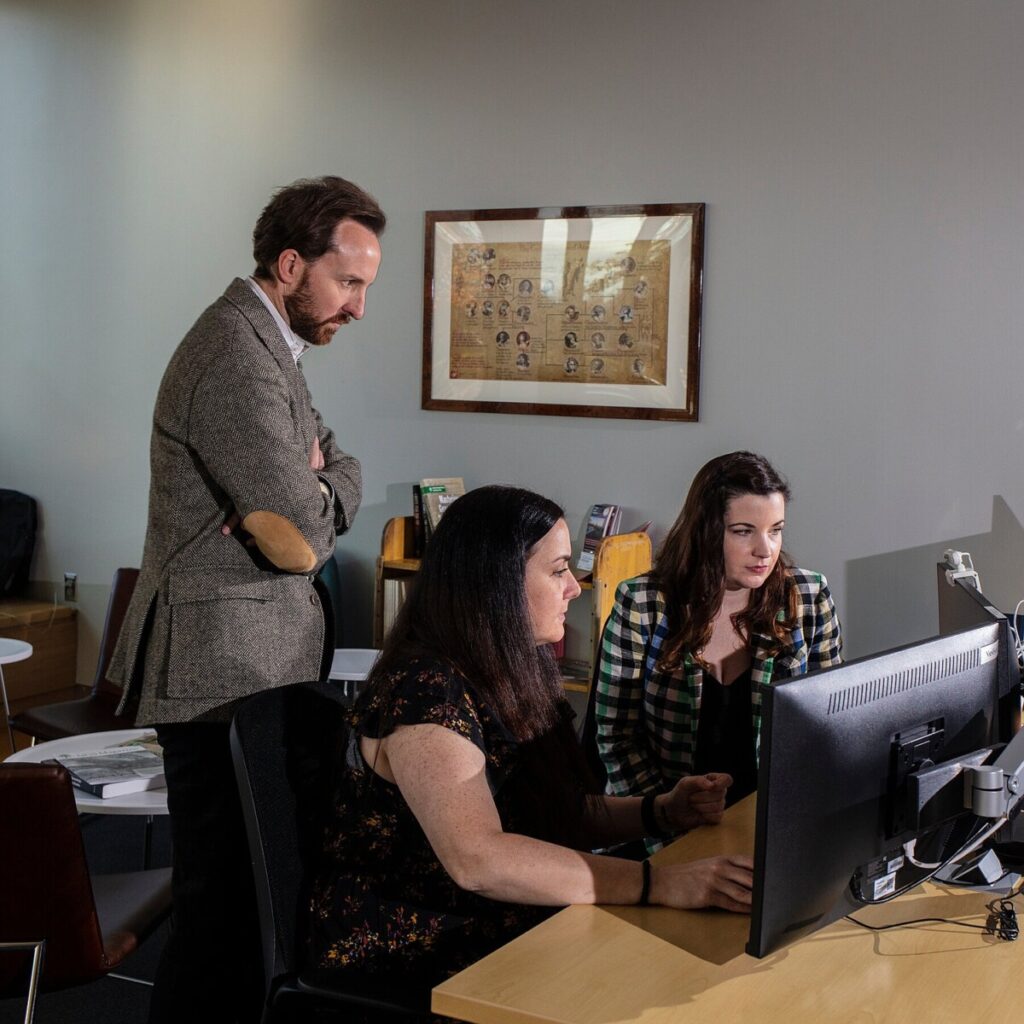
David Gurney, head of Ramapo College’s Investigative Genetic Genealogy Center in New Jersey, said losing access to Ancestry had hindered crucial work.