Cal Thomas: A ‘permanent pause’ on immigration
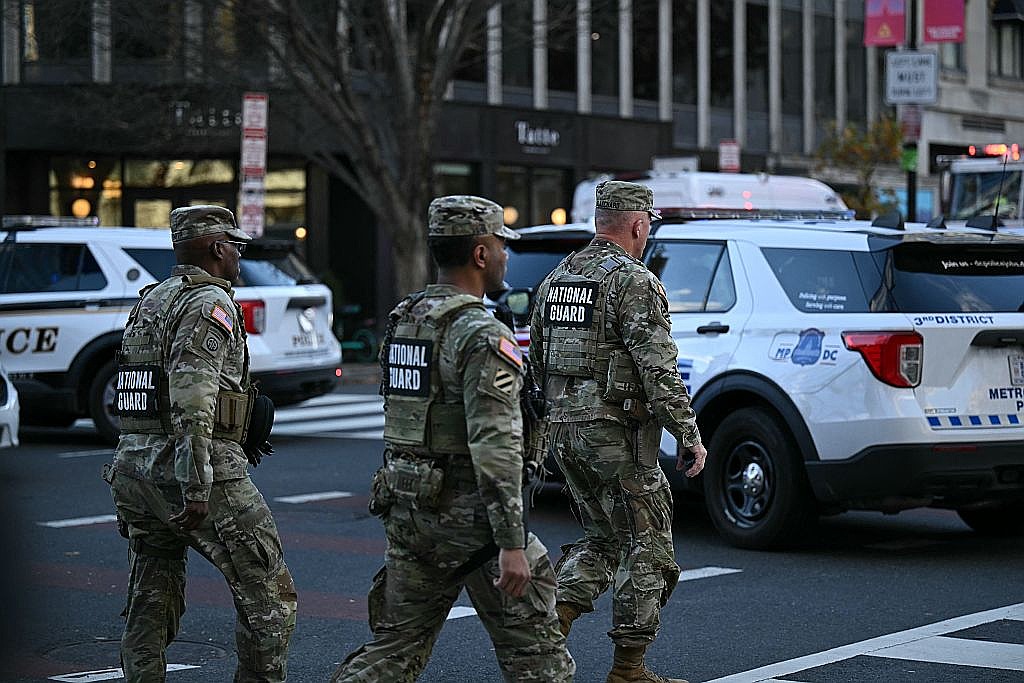
In the wake of a tragic shooting involving two National Guard members in Washington just before Thanksgiving, President Trump has called for a “permanent pause” on migration, particularly from Afghanistan and other unstable regions. He argues that this halt is crucial until he can be assured that the backgrounds of migrants are thoroughly vetted. Trump’s stance is underscored by the recent incident involving Rahmanullah Lakanwal, the shooter who entered the U.S. shortly after a statement from then-White House press secretary Jen Psaki, which claimed that all Afghan migrants had undergone rigorous screening under the Biden administration’s “Operation Allies Welcome.” This has raised questions about the vetting process, especially given that over 190,000 Afghans have been resettled in the U.S. under this initiative.
The debate around immigration is not new, as historical precedents highlight the complexities of U.S. immigration policy. The Immigration Act of 1924, for instance, established quotas that favored certain nationalities while excluding others, reflecting the sentiments of the time that prioritized assimilation and national unity. Critics of current immigration policies argue that the Biden administration’s approach has led to a fragmented society, undermining the foundational American motto of “E Pluribus Unum” (Out of many, one). The recent shooting has reignited discussions about the motivations behind such acts of violence, with some commentators pointing to Islamic extremism as a potential factor, a narrative that has often been met with resistance in public discourse.
Trump’s emphasis on the need for a robust vetting process aligns with broader concerns about national security and the potential risks posed by unchecked immigration. He asserts that understanding the intentions of those entering the country is paramount, especially if those intentions could threaten American lives. The conversation surrounding immigration, terrorism, and national identity continues to evolve, with many advocating for a more cautious approach to ensure the safety and integrity of the nation. As the U.S. grapples with these complex issues, the call for a reevaluation of immigration policies remains a contentious topic, reflecting deep-seated fears and the ongoing struggle to balance compassion with security.
https://www.youtube.com/watch?v=2F0sbkGQfbc
Following the shooting of two National Guard
members
in Washington the day before Thanksgiving, President Trump announced he wants to “
permanently pause migration
” at least until he is satisfied that those from Afghanistan and other unstable countries have had their backgrounds thoroughly investigated. The president also wants to revoke the legal status of many of them and expel those who don’t measure up to his standard, which is “loving America.”
Vetting is usually a detailed process for those seeking entry to the U.S., especially when they are from countries associated with terrorism. On Sept. 1, 2021, then-White House press secretary
Jen Psaki
was asked about the large number of Afghans who had entered the country under President Biden’s
“Operation Allies Welcome
” (OAW) program. Psaki said: “I can absolutely assure you that no one is coming into the United States of America who has not been through a thorough screening and background check process.”
After last week’s shooting. Homeland Security Secretary Kristi Noem posted on X that the suspect, Rahmanullah Lakanwal, entered the U.S. one week after Psaki’s comment.
More than
190,000
Afghans have been resettled in the U.S. under OAW and another program called Enduring Welcome,
according to a report published this year by the US State Department.
Claiming all were properly vetted strains credulity.
If America’s enemies wanted to undermine and eventually destroy the country, sending people here who may have evil intentions is a stealth way to do it. Just as we should not be the policemen of the world, neither should we be expected to be the receivers of the world. We can’t afford it on several levels.
Pausing immigration has precedent.
The Immigration Act of 1924
established a national origins quota for 40 years until it was repealed in 1965 by another law, the Immigration and Nationality Act. The earlier Act favored immigrants from Northern and Western Europe and excluded many Asians. It also limited new arrivals from Southern and Eastern Europe. Aside from any racial components, most Americans seemed to favor restricting immigration to allow those already here to assimilate. That included becoming proficient in English as well as embracing the history and Constitution of the United States. This process conformed to our national motto “Out of many, one.” The failed border policies of the Biden administration contributed to the hyphenating of many according to their ethnic heritage. It has reversed the motto to effectively mean “out of one, many.”
The usual suspects are saying the predictable things about the “causes” of last week’s senseless attack. They include the deployment of the National Guard, more gun control laws, additional mental health resources and other nonsense. Notice that no one is mentioning religion, specifically Islamic extremism.
Authorities claim they don’t know the suspect’s “motive.” Here’s a clue. Witnesses
reportedly
heard him shout “Allahu Akbar,” or God is great, before opening fire. It is a statement many terrorists have used before carrying out their murderous acts. Is that enough motive, or do the authorities fear being called “Islamophobes” for stating the obvious?
President Trump is correct when he says we need to know who is coming to America and their intentions. If those intentions are bad – as in wishing to kill Americans – they should not be admitted. That’s what the vetting process is supposed to discover. If they are already here and feel this way, they should be deported. Money from countries that have supported terrorism – like Qatar which has funded Hamas and is sending millions of dollars to American universities – should be cut off.
If we don’t protect ourselves from this blight, who will?
Readers may email Cal Thomas at
tcaeditors@tribpub.com
. Look for Cal Thomas’ latest book “A Watchman in the Night: What I’ve Seen Over 50 Years Reporting on America” (HumanixBooks).


