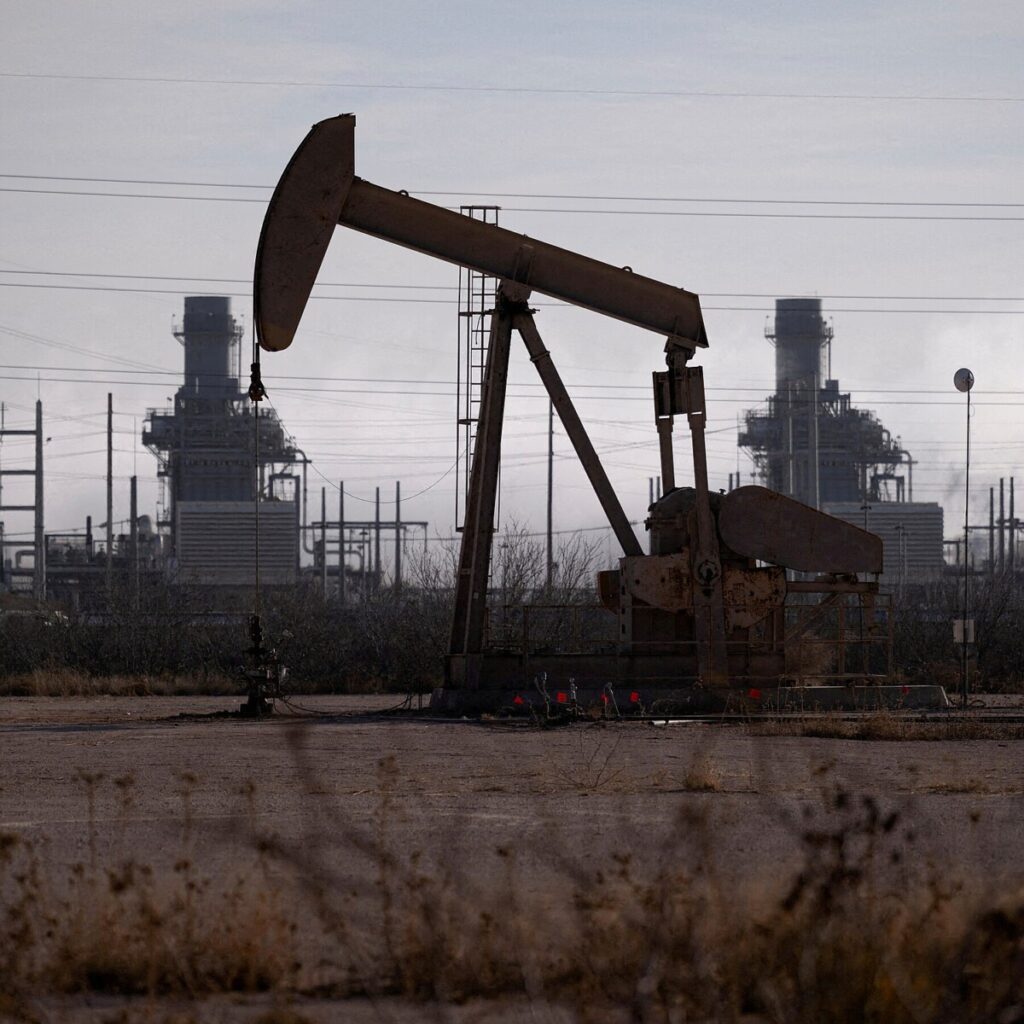
Trump Vowed Fewer Regulations and Lots More Oil. He’s Delivered on One.
Since President Trump took office in January 2017, the United States has witnessed a significant increase in oil production, reaching levels that have positioned the country as a leading global oil producer. This surge is largely attributed to advancements in technology and improved efficiency within the industry, particularly in hydraulic fracturing and horizontal drilling techniques. These innovations have allowed oil companies to extract resources more effectively, resulting in higher output without a proportional increase in workforce. For instance, the U.S. Energy Information Administration reported that crude oil production rose from approximately 9 million barrels per day in early 2017 to over 12 million barrels per day by late 2019, showcasing a remarkable growth trajectory.
However, this boom in production has not translated into a corresponding increase in jobs within the sector or the broader economy. The paradox lies in the fact that while companies are producing more oil than ever, they are doing so with fewer employees due to the automation of processes and the implementation of advanced technologies. The oil and gas extraction industry has seen a net loss of jobs during this period, with many companies opting for leaner operations to maximize profits. For example, the U.S. Bureau of Labor Statistics indicated that employment in the oil and gas extraction industry actually fell by approximately 10% from 2014 to 2019, despite rising production levels. This trend raises critical questions about the long-term sustainability of job growth in the sector and highlights the challenges faced by workers in adapting to an industry increasingly driven by technology rather than manpower.
The implications of this situation extend beyond the oil industry itself, as the lack of job growth in a booming sector can have ripple effects throughout the economy. Communities that have historically relied on oil production for employment and economic stability are facing uncertainty, as the promise of new jobs has not materialized. This discrepancy has sparked discussions about the need for a more diversified economy and the importance of investing in alternative energy sources and technologies that could create sustainable employment opportunities. As the U.S. navigates its energy landscape, the challenge remains to balance the benefits of increased production with the necessity of fostering job growth and economic resilience for the future.
https://www.youtube.com/watch?v=iZ4bTbnQ_TU
Since President Trump took office, oil production is up, but largely because of improved efficiency, and it has not translated into more jobs for either the industry or the overall economy.


