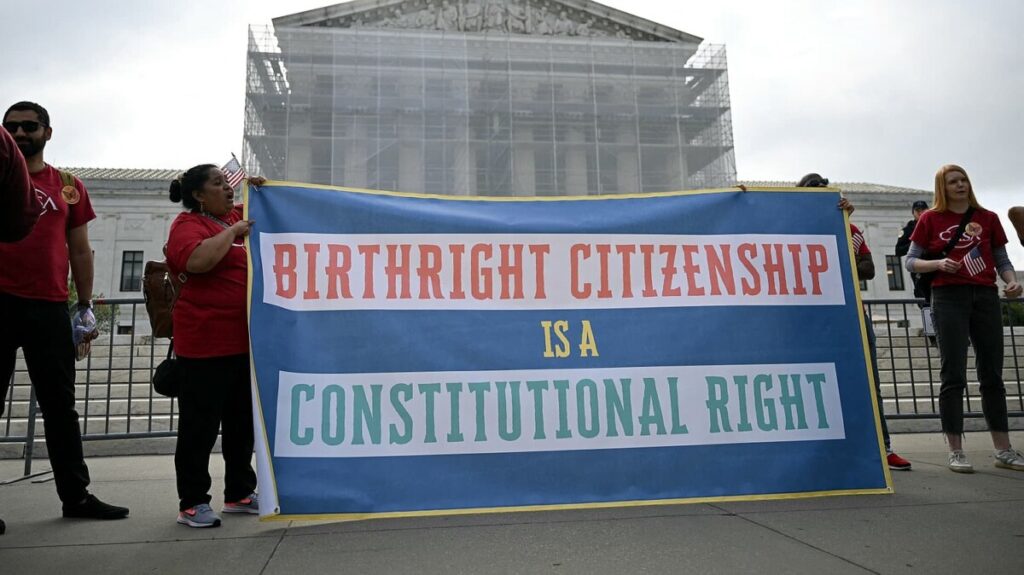
Supreme Court to hear case on Trump birthright citizenship order
The 14th Amendment to the U.S. Constitution, ratified in 1868, has long been a cornerstone of American citizenship law, granting citizenship to all individuals born on U.S. soil, regardless of their parents’ immigration status. This principle, known as “birthright citizenship,” was established to ensure that formerly enslaved individuals and their descendants could not be denied citizenship based on race or parentage. Over the years, this interpretation has been upheld by numerous Supreme Court rulings, most notably in the landmark case of United States v. Wong Kim Ark in 1898, which affirmed that a child born in the U.S. to non-citizen parents is indeed a U.S. citizen.
However, recent political discourse has reignited debates over the 14th Amendment and the validity of birthright citizenship. Some lawmakers and advocates have argued for a reevaluation of this constitutional guarantee, citing concerns over immigration and the perceived implications of granting citizenship to children of undocumented immigrants. Proponents of this view argue that the current interpretation encourages illegal immigration and should be amended to limit citizenship to children of lawful residents. On the other hand, opponents assert that altering this long-standing legal precedent would undermine the core values of equality and inclusivity enshrined in the Constitution, potentially creating a two-tiered citizenship system that discriminates against certain groups.
The conversation surrounding the 14th Amendment and birthright citizenship is not merely academic; it has real-world implications for millions of families across the United States. As of now, approximately 4 million children are born in the U.S. to non-citizen parents each year, and the potential changes to this policy could affect their legal status and access to rights and benefits. The debate continues to evolve, with advocates on both sides passionately defending their positions, highlighting the ongoing struggle to balance immigration policy with the foundational principles of American democracy. As this discussion unfolds, it remains crucial for citizens to engage thoughtfully with the implications of any changes to the 14th Amendment, considering both historical context and the future of American identity.
https://www.youtube.com/watch?v=YrwHjNz-WCo
The U.S. Constitution’s 14th Amendment had been understood to grant citizenship to children born in the country, even if their parents are not citizens.