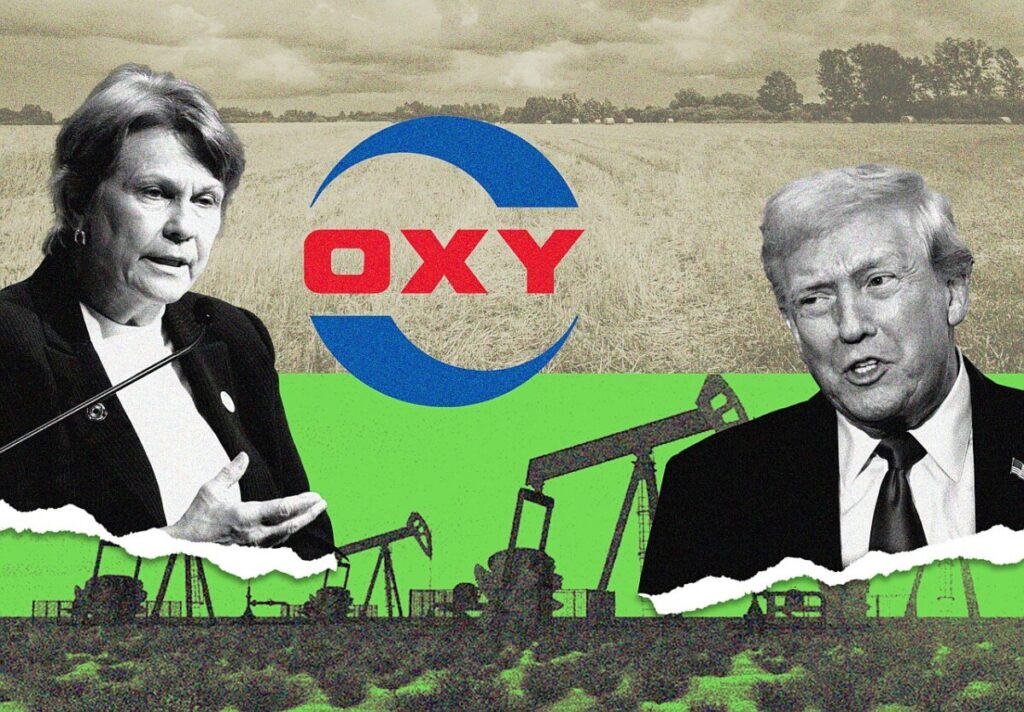
How the oil industry’s climate-change solution is surviving Trump’s attack on green energy
The evolving narrative surrounding carbon capture technology highlights the United States’ shifting priorities and inconsistent approach to addressing clean energy and climate change. As the nation grapples with the urgent need to reduce greenhouse gas emissions, carbon capture has emerged as a focal point in the debate over effective climate solutions. This technology, which involves capturing carbon dioxide emissions from sources like power plants and industrial facilities, aims to prevent carbon from entering the atmosphere and contributing to global warming. However, the adoption and implementation of carbon capture have been fraught with challenges, including regulatory hurdles, financial viability, and public perception.
One of the key examples illustrating these shifting priorities is the federal government’s fluctuating support for carbon capture initiatives. Over the past few years, there has been a notable increase in funding and incentives for carbon capture projects, particularly through the Infrastructure Investment and Jobs Act and the Inflation Reduction Act. These legislative measures aim to bolster the development of clean energy technologies, including carbon capture, by providing tax credits and grants to encourage investment. However, critics argue that the focus on carbon capture may detract from more sustainable solutions, such as transitioning to renewable energy sources like wind and solar. This tension reflects a broader inconsistency in the nation’s climate policy, where short-term goals may overshadow long-term sustainability.
Moreover, the carbon capture narrative is complicated by the diverse perspectives within the climate advocacy community. While some view carbon capture as a necessary tool for achieving net-zero emissions, others express concern that it could serve as a “license to pollute,” allowing fossil fuel industries to continue operating without making substantial changes to their practices. This debate underscores the complexities of climate action, as stakeholders weigh the potential benefits of carbon capture against the urgent need to reduce reliance on fossil fuels. As the U.S. continues to navigate its path toward a sustainable energy future, the carbon capture story serves as a microcosm of the broader challenges and contradictions that define the nation’s approach to climate change.
The carbon-capture story reveals the nation’s shifting priorities and inconsistent approach to clean-energy and climate change.


