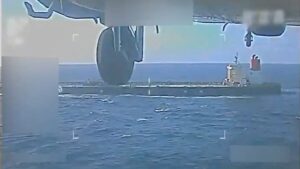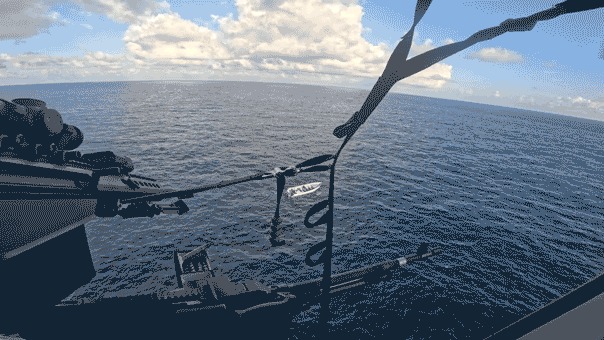
Coast Guard helicopter sniper takes out narco-boat engines in stunning exclusive video
In a significant operation, the Coast Guard cutter Munro successfully seized over 20,000 pounds of cocaine in a single mission, marking the largest drug interdiction involving a national security cutter against a go-fast vessel. This operation took place in the Eastern Pacific, south of Mexico, as part of Operation Pacific Viper, which aims to combat the flow of illegal drugs into the United States. The cocaine seized during this mission is estimated to represent more than 7.5 million potentially lethal doses, underscoring the substantial threat posed by drug trafficking. The mission utilized advanced tactics, including sniper fire from the Coast Guard’s Helicopter Interdiction Tactical Squadron (HITRON), which specifically targeted the engines of the go-fast vessel to disable it, allowing Coast Guard units to safely board and capture the illicit cargo.
Launched in August, Operation Pacific Viper is a collaborative initiative between the Coast Guard and Navy, aligning with the Trump administration’s aggressive stance on drug cartels in Latin America. As of October, the Coast Guard reported a staggering total of 100,000 pounds of cocaine seized under this operation, averaging approximately 1,600 pounds per day. This year alone, the Coast Guard has set records with nearly 510,000 pounds of cocaine seized in fiscal year 2025, a figure that translates to about 193 million potentially lethal doses—enough to endanger over half of the U.S. population. The operation reflects a broader strategy to disrupt drug trafficking routes and combat organizations like the Sinaloa cartel, which have been designated as foreign terrorist organizations by the administration.
The aggressive tactics employed by the Coast Guard have not been without controversy. Lawmakers have raised legal concerns regarding the strikes against drug vessels, particularly following incidents where survivors were left after attacks. Despite this, officials, including Secretary of War Pete Hegseth, have asserted that these operations will persist as part of the ongoing fight against narco-terrorism, emphasizing the need to protect American citizens from the dangers posed by drug trafficking. As the Coast Guard continues its efforts under Operation Pacific Viper, the stakes remain high in the battle against illegal drugs and the cartels that propagate their distribution.
https://www.youtube.com/watch?v=ncTEaYUPGm4
EXCLUSIVE:
The
Coast Guard cutter Munro
seized more than 20,000 pounds of cocaine in a single drug interdiction mission Tuesday, the largest seizure a national security cutter had completed involving a go-fast vessel.
New video footage shared with Fox News Digital depicts Coast Guard forces, including a sniper from the service’s Helicopter Interdiction Tactical Squadron (HITRON) based in Jacksonville, Florida, utilizing disabling fire against a go-fast vessel as it completes a drug interdiction mission for Operation Pacific Viper.
The amount of cocaine seized in the mission, which occurred in the Eastern Pacific south of Mexico, amounts to more than 7.5 million potentially lethal doses, according to the service.
Operation Pacific Viper launched
in August and is a combined initiative between the Coast Guard and Navy that seeks to counter the flow of illegal drugs to the U.S. in alignment with President
Donald Trump’s
broader effort to crack down on drug cartels in Latin America.
WATCH: COAST GUARD SEIZES COCAINE, SUSPECTED NARCO-TERRORISTS IN PACIFIC VIPER RAID
As of October, the Coast Guard reported it had snatched 100,000 pounds of cocaine in the eastern Pacific Ocean under Operation Pacific Viper. That translates to roughly 1,600 pounds of cocaine nabbed daily, according to the service.
The Coast Guard’s Helicopter Interdiction Tactical Squadron snipers are used in missions to disable vessels carrying illicit drugs by targeting and shooting at their engines with rifles to cripple them. Disabling potential drug vessels paves the way for other Coast Guard assets to board and capture drugs stowed away on the boats.
Go-fast vessels are common vessels employed to ferry drugs
in the Caribbean
.
COAST GUARD BURNS, SINKS SUSPECTED ‘DRUG BOAT,’ APPREHENDS 7 ALLEGED DRUG SMUGGLERS: VIDEO
The Coast Guard reported in November it had seized almost 510,000 pounds of cocaine in fiscal year 2025, the largest amount of the drug snatched in the service’s history.
The amount the service seized translates to 193 million potentially lethal doses, enough to jeopardize more than half of the U.S. population, according to the Coast Guard. Additionally, it amounts to more than three times the service’s annual average, which comes out to roughly 167,000 pounds of cocaine each year.
The Trump administration has adopted a hard-line approach to dealing with drugs coming into the United States and designated drug cartel groups like Tren de Aragua, Sinaloa and others as foreign terrorist organizations in February.
Separate from Operation Pacific Viper, the Trump administration also has conducted at least 22 strikes against alleged drug vessels in
Latin American waters
since September.
While lawmakers have questioned the legality of the strikes — particularly after the White House revealed that a second strike was conducted against a vessel after the first one left survivors in September — the Trump administration has stated it has the authority to conduct those attacks.
Senate Minority Leader Chuck Schumer, D-N.Y., and Sens. Tim Kaine, D-Va.; Adam Schiff, D-Calif.; and Rand Paul, R-Ky., introduced a war powers resolution Wednesday to bar Trump from using U.S. armed forces to engage in hostilities within or against Venezuela.
Meanwhile, Secretary of War
Pete Hegseth
has indicated that the strikes will continue.
“We’ve only just begun striking narco-boats and putting narco-terrorists at the bottom of the ocean because they’ve been poisoning the American people,” Hegseth said Tuesday.