Cal Thomas: A ‘permanent pause’ on immigration
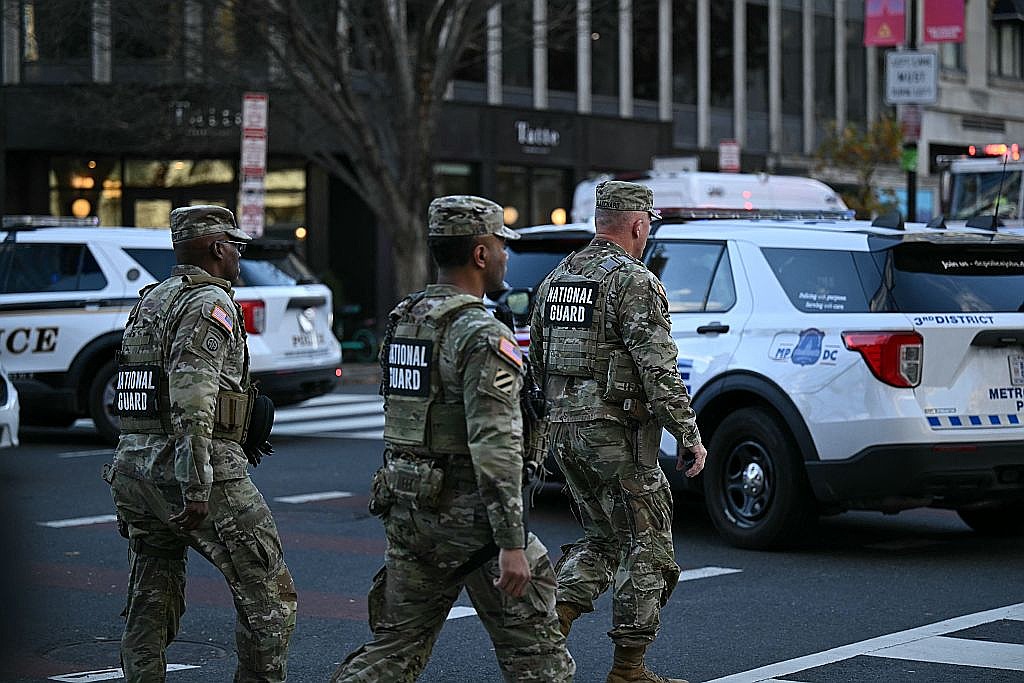
In the wake of a tragic shooting involving two National Guard members in Washington just before Thanksgiving, President Trump has called for a “permanent pause” on migration, particularly from Afghanistan and other unstable regions. This announcement comes amidst rising concerns about the vetting process for individuals entering the United States, especially those who may pose a security threat. Trump has expressed a desire to ensure that all migrants are thoroughly investigated and has suggested revoking the legal status of those who do not meet his standards of “loving America.” This reaction highlights a growing sentiment among some political leaders and citizens that the U.S. must take a more cautious approach to immigration, particularly in the context of national security.
The vetting process for refugees and migrants is designed to be rigorous, especially for individuals from countries associated with terrorism. However, recent events have raised questions about its effectiveness. For example, Rahmanullah Lakanwal, the suspect in the shooting, reportedly entered the U.S. shortly after assurances from the Biden administration that all Afghan refugees had undergone thorough background checks. With over 190,000 Afghans resettled in the U.S. under the “Operation Allies Welcome” program, skepticism has grown regarding the integrity of the vetting process. Critics argue that the influx of migrants has strained the nation’s resources and diluted the ability of newcomers to assimilate into American society, echoing historical precedents like the Immigration Act of 1924, which sought to control the flow of immigrants based on national origins.
The discourse surrounding the shooting has also sparked debate about the underlying motivations of the suspect, with some commentators highlighting the potential influence of Islamic extremism. Witnesses reported hearing Lakanwal shout “Allahu Akbar” before the attack, raising questions about whether authorities are hesitant to address the connection to radical ideology for fear of being labeled “Islamophobic.” Trump’s insistence on knowing the intentions of those entering the country resonates with a broader call for enhanced security measures and stricter immigration policies. As discussions about gun control and mental health resources continue, the focus on national security and the vetting of immigrants remains a contentious issue, raising significant questions about how best to balance compassion for those seeking refuge and the imperative to protect American citizens.
https://www.youtube.com/watch?v=2F0sbkGQfbc
Following the shooting of two National Guard
members
in Washington the day before Thanksgiving, President Trump announced he wants to “
permanently pause migration
” at least until he is satisfied that those from Afghanistan and other unstable countries have had their backgrounds thoroughly investigated. The president also wants to revoke the legal status of many of them and expel those who don’t measure up to his standard, which is “loving America.”
Vetting is usually a detailed process for those seeking entry to the U.S., especially when they are from countries associated with terrorism. On Sept. 1, 2021, then-White House press secretary
Jen Psaki
was asked about the large number of Afghans who had entered the country under President Biden’s
“Operation Allies Welcome
” (OAW) program. Psaki said: “I can absolutely assure you that no one is coming into the United States of America who has not been through a thorough screening and background check process.”
After last week’s shooting. Homeland Security Secretary Kristi Noem posted on X that the suspect, Rahmanullah Lakanwal, entered the U.S. one week after Psaki’s comment.
More than
190,000
Afghans have been resettled in the U.S. under OAW and another program called Enduring Welcome,
according to a report published this year by the US State Department.
Claiming all were properly vetted strains credulity.
If America’s enemies wanted to undermine and eventually destroy the country, sending people here who may have evil intentions is a stealth way to do it. Just as we should not be the policemen of the world, neither should we be expected to be the receivers of the world. We can’t afford it on several levels.
Pausing immigration has precedent.
The Immigration Act of 1924
established a national origins quota for 40 years until it was repealed in 1965 by another law, the Immigration and Nationality Act. The earlier Act favored immigrants from Northern and Western Europe and excluded many Asians. It also limited new arrivals from Southern and Eastern Europe. Aside from any racial components, most Americans seemed to favor restricting immigration to allow those already here to assimilate. That included becoming proficient in English as well as embracing the history and Constitution of the United States. This process conformed to our national motto “Out of many, one.” The failed border policies of the Biden administration contributed to the hyphenating of many according to their ethnic heritage. It has reversed the motto to effectively mean “out of one, many.”
The usual suspects are saying the predictable things about the “causes” of last week’s senseless attack. They include the deployment of the National Guard, more gun control laws, additional mental health resources and other nonsense. Notice that no one is mentioning religion, specifically Islamic extremism.
Authorities claim they don’t know the suspect’s “motive.” Here’s a clue. Witnesses
reportedly
heard him shout “Allahu Akbar,” or God is great, before opening fire. It is a statement many terrorists have used before carrying out their murderous acts. Is that enough motive, or do the authorities fear being called “Islamophobes” for stating the obvious?
President Trump is correct when he says we need to know who is coming to America and their intentions. If those intentions are bad – as in wishing to kill Americans – they should not be admitted. That’s what the vetting process is supposed to discover. If they are already here and feel this way, they should be deported. Money from countries that have supported terrorism – like Qatar which has funded Hamas and is sending millions of dollars to American universities – should be cut off.
If we don’t protect ourselves from this blight, who will?
Readers may email Cal Thomas at
tcaeditors@tribpub.com
. Look for Cal Thomas’ latest book “A Watchman in the Night: What I’ve Seen Over 50 Years Reporting on America” (HumanixBooks).


