Actually, the Supreme Court Has a Plan
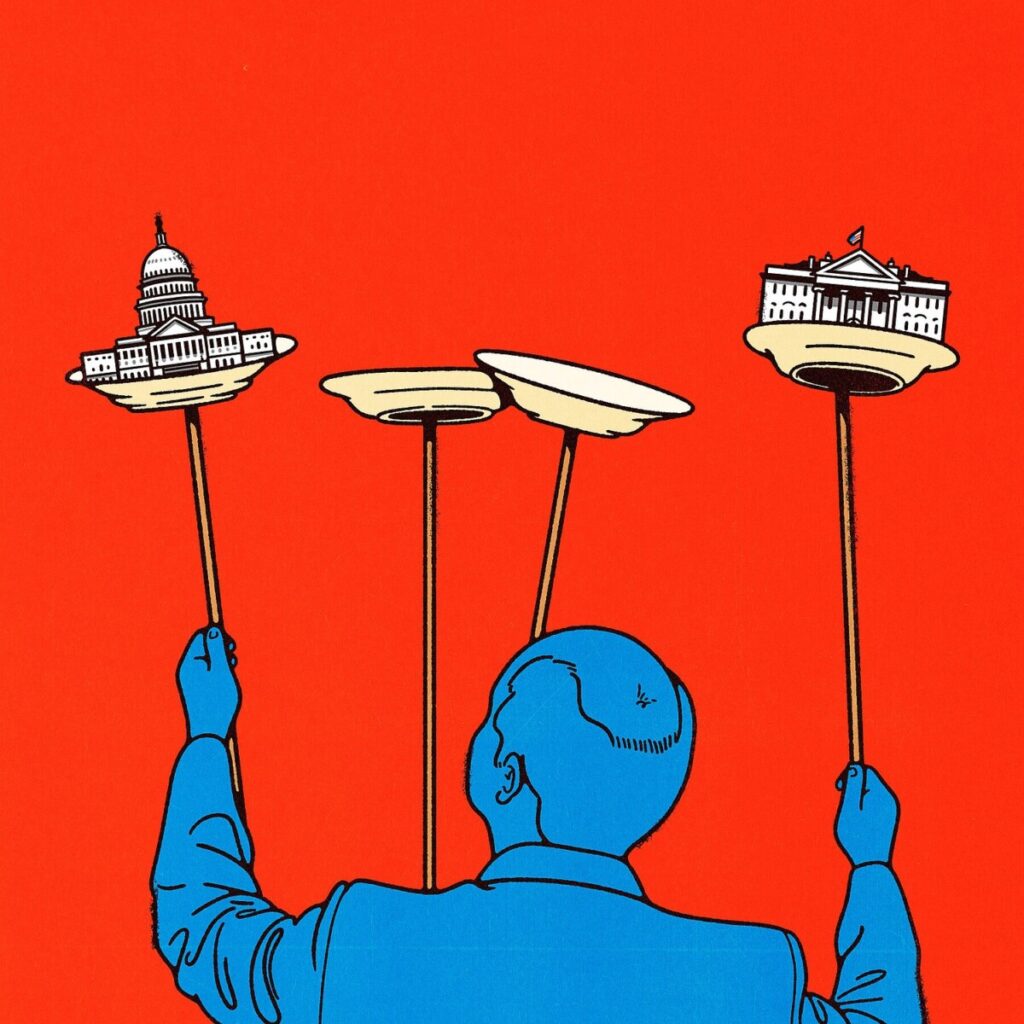
In recent months, a noticeable shift in the U.S. judicial landscape has emerged, characterized by an intentional effort from the Supreme Court justices to rebalance the separation of powers within the federal government. This shift has sparked significant discussions among legal experts, policymakers, and the public, as it appears to challenge the established norms of judicial review and the balance between legislative and executive authority. The Court, often seen as a bastion of legal interpretation, is now positioning itself as a more active player in shaping the contours of federal power, which could have lasting implications for governance in the United States.
One of the most striking examples of this trend is the Court’s recent rulings that limit the scope of executive authority. In cases concerning agency regulations and executive orders, justices have taken a more critical stance, emphasizing the need for Congressional oversight and accountability. For instance, decisions that curtail the powers of agencies like the Environmental Protection Agency (EPA) reflect a broader judicial philosophy that seeks to rein in what some justices perceive as executive overreach. This rebalancing act suggests a potential shift toward a more constrained interpretation of executive power, which could lead to increased legislative involvement in areas traditionally dominated by the executive branch.
Moreover, this recalibration of power is not limited to executive authority; it extends to the legislative branch as well. The Court’s willingness to scrutinize laws passed by Congress, particularly those that may infringe on individual rights or state powers, indicates a proactive approach to safeguarding constitutional principles. For example, recent rulings on voting rights and gerrymandering demonstrate the Court’s readiness to intervene in matters that have significant implications for democratic governance. As the justices navigate these complex issues, their decisions are likely to shape the future of federal power dynamics, prompting a reevaluation of the roles and responsibilities of each branch of government. This evolving judicial philosophy underscores the importance of the Court as a key player in the ongoing dialogue about the balance of power in American democracy.
We are seeing an intentional effort from justices to rebalance the separation of powers in the federal government.