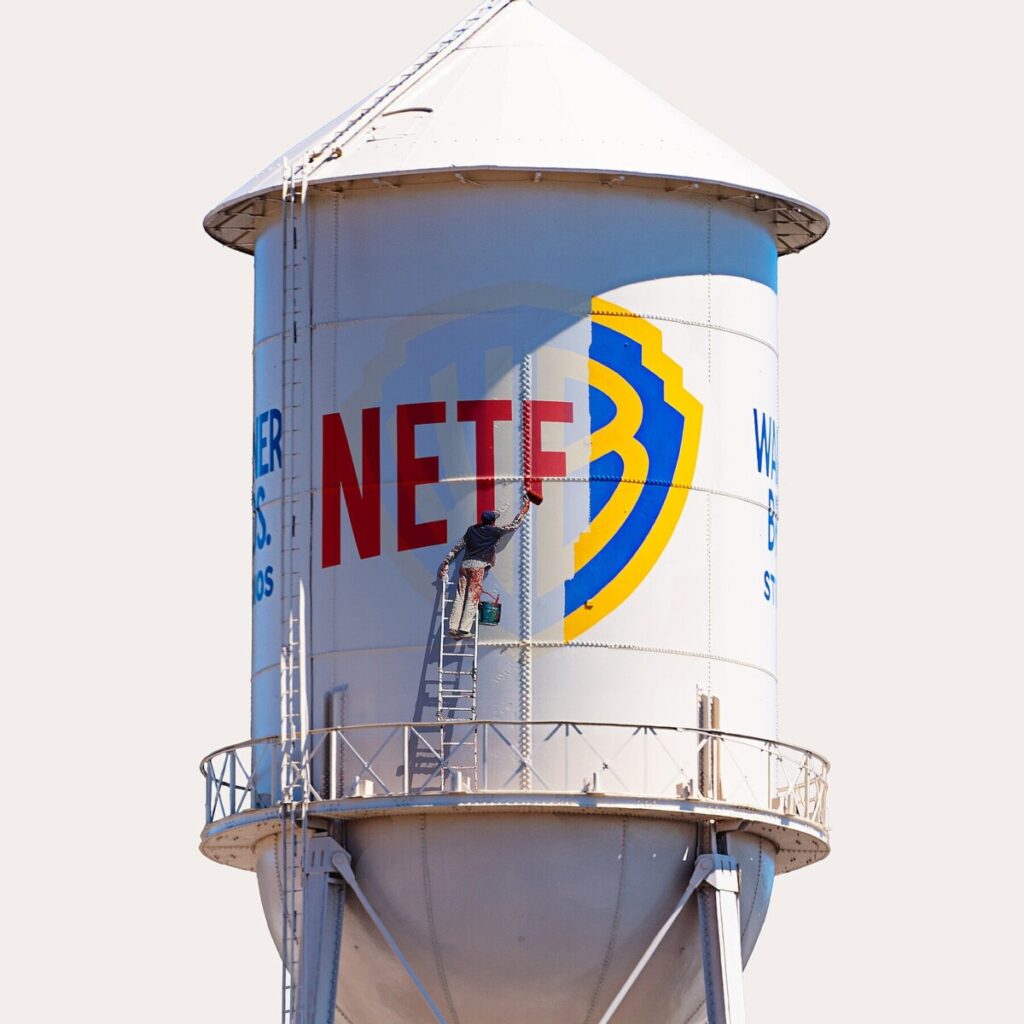
Netflix Changes Course Again With Warner Bros. Deal
In a significant shift in strategy, streaming giant Netflix is embracing theatrical releases more than ever before, marking a pivotal moment in its evolution. Historically, Netflix has focused on delivering content directly to its subscribers through its streaming platform, revolutionizing how audiences consume films and TV shows. However, as competition intensifies with the rise of other streaming services and the return of audiences to cinemas post-pandemic, Netflix has recognized the value of the big screen experience. This decision to invest heavily in theatrical releases not only aims to enhance its brand prestige but also to attract a wider audience and generate buzz around its original content.
One of the most notable examples of this strategy is the release of high-profile films like “Knives Out 2” and “The Irishman,” which received limited theatrical runs before becoming available on the platform. The company is reportedly planning to allocate a significant portion of its budget to theatrical releases in the coming years, with the intention of showcasing its films in cinemas for an extended period before they transition to streaming. This approach is reminiscent of traditional Hollywood studios, which have long understood the importance of theatrical windows for building anticipation and maximizing box office revenue. By adopting this model, Netflix is not only positioning itself as a serious contender in the film industry but is also reshaping the landscape of how films are distributed and consumed in the digital age.
Moreover, Netflix’s commitment to theatrical releases underscores its ambition to compete with established studios and filmmakers. The company has begun forging partnerships with theaters and investing in marketing campaigns that highlight the cinematic experience of its films. This strategy allows Netflix to tap into the nostalgia and communal aspect of moviegoing, which has been a significant draw for audiences. As a result, Netflix aims to create a more balanced ecosystem where its films can thrive both in theaters and on its streaming platform, ultimately enhancing its content library and driving subscriber growth. As this strategy unfolds, it will be fascinating to see how it impacts the broader entertainment industry and influences audience preferences in the evolving landscape of film consumption.
The streaming giant has changed its strategy many times over the years. But the decision to get deeply into theatrical releases may be the most startling yet.