Moon phase today: What the moon will look like on December 5
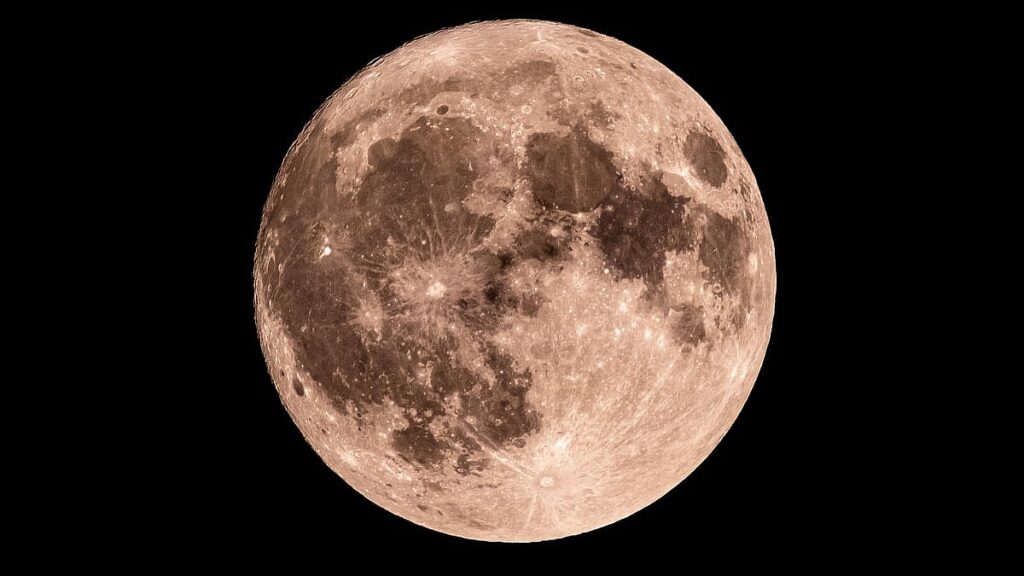
As we transition from the recent Full Moon to the Waning Gibbous phase, the moon continues to captivate stargazers and casual observers alike. On December 5, the moon is illuminated at an impressive 99%, allowing for a stunning view of its surface features even with the naked eye. Notable landmarks such as the Humorum Mare, Endymion Crater, and Alphonsus Crater are easily visible, offering a glimpse into the moon’s rugged terrain. For those equipped with binoculars, the Alps Mountains and Clavius Crater come into focus, while telescope users can explore the historic landing sites of the Apollo 11 and 12 missions. This rich visibility is a reminder of the moon’s ever-changing beauty as it progresses through its lunar cycle.
Understanding the lunar phases adds depth to our appreciation of the moon’s appearance. NASA explains that the lunar cycle spans approximately 29.5 days and is characterized by eight distinct phases, from the New Moon—when the moon is completely dark—to the Full Moon, when it shines bright and full. As the moon orbits Earth, the sunlight illuminating its surface shifts, creating the various phases we observe. Following the Waning Gibbous phase, we will soon enter the Third Quarter, where half of the moon will be visible again before it wanes into the New Moon phase on January 3. This cyclical dance of light and shadow not only enhances our nighttime skies but also serves as a reminder of the dynamic nature of our celestial neighbor. Whether you’re an amateur astronomer or simply enjoy stargazing, the moon offers a continuous source of wonder and exploration.
The moon still looks pretty big and bright in the sky after last night’s Full Moon. But now that it’s passed, the moon will actually be getting less visible each night as we work through the lunar cycle and approach the New Moon phase. Until then, however, there’s plenty to see on the surface, so keep reading to find out what you can spot.
What is today’s moon phase?
As of Friday, Dec. 5, the
moon
phase is Waning Gibbous. This means 99% of the moon is lit up tonight, according to
NASA’s Daily Moon Observation
.
If you’re looking up with just your naked eye, there’s lots to see, in particular the Humorum Mare, Endymion Crater, and Alphonsus Crater. With binoculars you’ll also be able to spy the Alps Mountains, Clavius Crater and the Mare Humorum. And with a telescope, you can catch a glimpse of the Apollo 11 and 12 landing spots.
When is the next full moon?
The next full moon will be on Jan. 3.
What are moon phases?
NASA
explains that the lunar cycle (which is about 29.5 days long) is made up of the Moon’s phases, which describe how the Moon looks from Earth as it travels around us. We view the same side of the Moon at all times, but the sunlight hitting its surface shifts as it moves through its orbit. That changing illumination is what makes the Moon appear full, half-lit, or not visible at all. The cycle includes eight distinct phases:
New Moon – The moon is between Earth and the sun, so the side we see is dark (in other words, it’s invisible to the eye).
Waxing Crescent – A small sliver of light appears on the right side (Northern Hemisphere).
First Quarter – Half of the moon is lit on the right side. It looks like a half-moon.
Waxing Gibbous – More than half is lit up, but it’s not quite full yet.
Full Moon – The whole face of the moon is illuminated and fully visible.
Waning Gibbous – The moon starts losing light on the right side. (Northern Hemisphere)
Third Quarter (or Last Quarter) – Another half-moon, but now the left side is lit.
Waning Crescent – A thin sliver of light remains on the left side before going dark again.