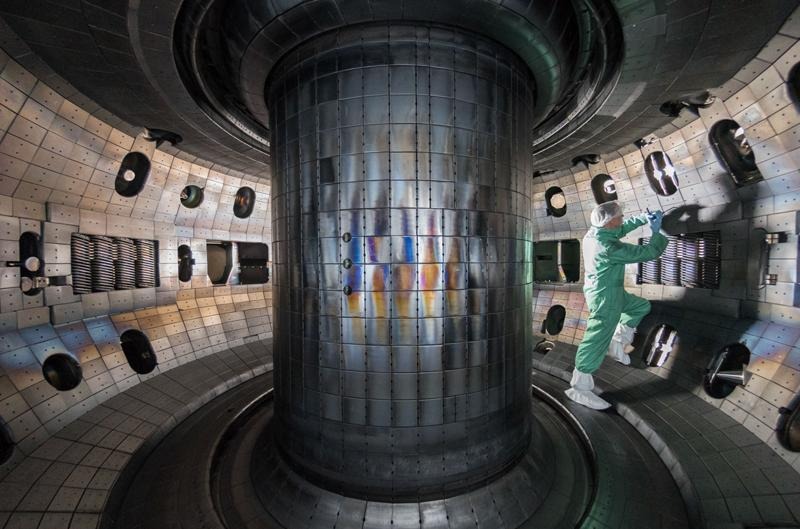
As Energy Department prioritizes AI and fusion, basic research faces squeeze
The National Science Foundation (NSF), the largest funder of physical sciences research in the United States, is undergoing a significant reorganization that could redefine its mission and the landscape of scientific funding. This initiative, driven by a combination of evolving scientific priorities and the need for more interdisciplinary collaboration, aims to enhance the NSF’s responsiveness to emerging challenges in science and technology. With the global scientific community facing pressing issues such as climate change, cybersecurity, and public health, the NSF is looking to align its funding strategies with broader societal needs while maintaining its commitment to fundamental research.
One of the key components of this reorganization is the proposed establishment of new directorates that focus on high-impact areas, such as artificial intelligence, quantum information science, and advanced manufacturing. By concentrating resources on these fields, the NSF hopes to foster innovation and ensure that the U.S. remains competitive in the global scientific arena. For instance, the creation of a directorate specifically for artificial intelligence could streamline funding processes and encourage collaboration between researchers from various disciplines, ultimately leading to breakthroughs that benefit society at large. Additionally, the NSF is emphasizing the importance of public engagement and outreach, encouraging scientists to communicate their findings more effectively to the general public and policymakers.
However, this shift has sparked debate among scientists and researchers about the potential implications for traditional disciplines within the physical sciences. Critics argue that a focus on applied research could divert attention and funding away from fundamental science, which has historically led to groundbreaking discoveries. For example, research in areas like condensed matter physics or astrophysics, which may not have immediate practical applications, could face funding challenges as the NSF prioritizes projects with clearer societal benefits. As the NSF navigates these changes, it will be crucial for the organization to strike a balance between fostering innovation in high-priority areas while continuing to support the foundational research that has long been the bedrock of scientific advancement in the U.S.
https://www.youtube.com/watch?v=Y6ro_BIiJuY
Reorganization could shift mission of the United States’s largest funder of the physical sciences


