A tale of two forms of cohesin in DNA repair | Science
In a groundbreaking study published in *Nature*, researchers have unveiled the intricate mechanisms by which extrusive and cohesive forms of cohesin collaborate to repair double-strand breaks (DSBs) in DNA. DSBs are critical lesions that can lead to genomic instability and are implicated in various diseases, including cancer. Cohesin, a protein complex traditionally known for its role in chromosome cohesion during cell division, has now been shown to have a pivotal function in DNA repair. This discovery adds a new layer of understanding to the cellular response to DNA damage, highlighting the dynamic interplay between different forms of cohesin.
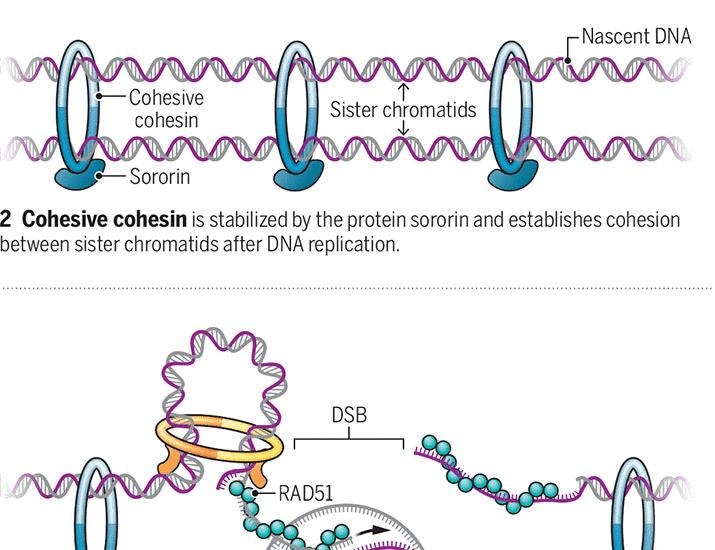
The study reveals that cohesin operates in two distinct forms: extrusive cohesin, which can extend away from the chromosomal axis, and cohesive cohesin, which holds sister chromatids together. Researchers found that upon the occurrence of DSBs, extrusive cohesin rapidly localizes to the site of damage, where it facilitates the initial recognition and processing of the break. This action is crucial for recruiting repair factors and initiating the repair process. In contrast, cohesive cohesin stabilizes the repaired chromosomal structure, ensuring that the integrity of the genome is maintained post-repair. This dual functionality underscores the versatility of cohesin in maintaining genomic stability, suggesting that its role extends far beyond mere chromosome segregation.
The implications of these findings are profound, particularly in the context of cancer biology. By understanding how cohesin contributes to DNA repair, scientists may identify new therapeutic targets for enhancing the efficacy of cancer treatments that rely on inducing DSBs, such as radiation therapy and certain chemotherapeutics. Furthermore, the research opens avenues for exploring the role of cohesin in other cellular processes, including gene expression and cell cycle regulation. Overall, this study not only deepens our comprehension of the molecular underpinnings of DNA repair but also emphasizes the importance of cohesin as a multifaceted player in cellular health and disease.
https://www.youtube.com/watch?v=rgRzMLPOQFY
Extrusive and cohesive cohesin cooperate to repair double-strand breaks in DNA


