The Midterm That Broke The Rules—and What It Means For 2026
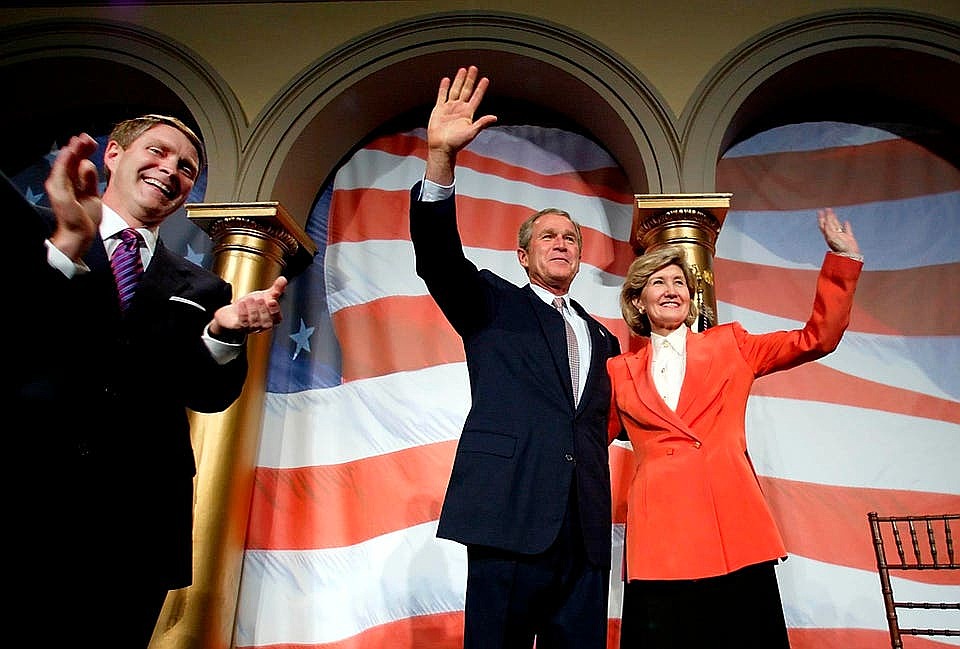
In the realm of U.S. politics, midterm elections often serve as a litmus test for the sitting president’s popularity and the prevailing political climate. Historically, these elections tend to favor the opposition party, with the party in power frequently losing seats in Congress. However, the 2002 midterm elections stand out as a remarkable anomaly in this trend. During this election cycle, the Republican Party, led by President George W. Bush, not only gained seats in both the House of Representatives and the Senate but also seized control of the Senate, marking a rare occurrence in midterm election history.
The context surrounding the 2002 midterms is crucial to understanding this electoral outcome. Following the September 11 attacks in 2001, there was a surge of national unity and support for President Bush, who was perceived as a strong leader during a time of crisis. This sentiment was further bolstered by the subsequent military engagements in Afghanistan and the administration’s focus on national security. As a result, many voters rallied behind the Republican Party, leading to increased turnout and support that translated into electoral gains. The Republicans not only retained their majority in the House but also flipped the Senate, gaining a net of two seats and marking a significant shift in congressional power dynamics.
This unprecedented outcome in 2002 serves as a reminder of how external events, such as national crises, can dramatically influence voter behavior and reshape the political landscape. It also highlights the potential for a sitting president’s popularity to defy historical trends during midterm elections. In contrast to the typical pattern of opposition party gains, the 2002 midterms exemplified a unique moment in American politics where the ruling party capitalized on a wave of patriotism and support, ultimately altering the trajectory of legislative priorities and governance for the subsequent years. As we look ahead to future midterm elections, the 2002 example remains a fascinating case study of how context and public sentiment can lead to unexpected electoral outcomes.
https://www.youtube.com/watch?v=_lIFwyNXv7o
2002 remains the only midterm election in which the party holding the White House not only gained seats, but also took control of a chamber it did not already hold.


