
Molecular basis of DNA cross-linking by bacteria | Science
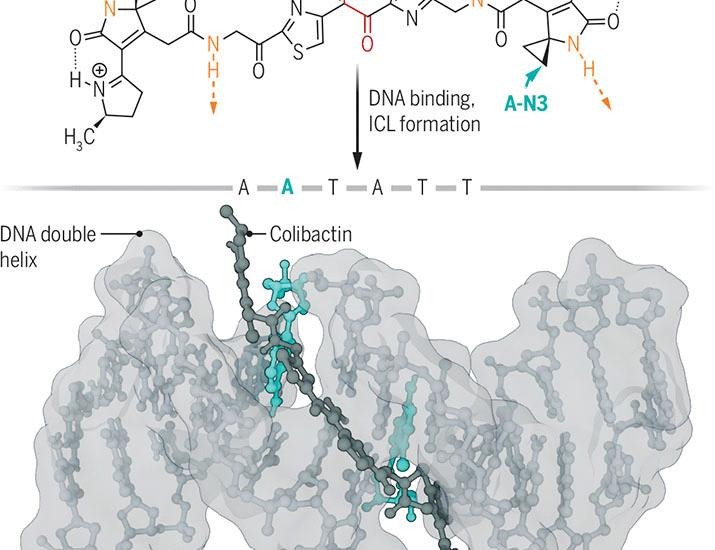
Recent research has unveiled the intricate structure of the bacterial genotoxin colibactin, revealing its potential role in increasing cancer risk. Colibactin is produced by certain strains of Escherichia coli (E. coli), particularly those associated with urinary tract infections and gastrointestinal diseases. This genotoxin has been linked to DNA damage, which is a critical factor in the development of cancer. The study, conducted by a team of scientists, utilized advanced imaging techniques to elucidate how colibactin interacts with DNA, providing new insights into its mechanism of action and its implications for human health.
The findings highlight that colibactin binds to DNA in a unique manner, leading to the formation of DNA adducts—structures that can disrupt normal cellular processes and promote mutations. These mutations can accumulate over time, increasing the risk of tumorigenesis. For example, the research demonstrated that colibactin alters the structure of DNA, causing it to adopt an abnormal shape that can hinder the cell’s ability to replicate accurately. This disruption is particularly concerning in the context of colorectal cancer, where the presence of colibactin-producing E. coli strains has been correlated with higher cancer incidence. The study emphasizes the importance of understanding the interactions between microbial products and human DNA, as it opens new avenues for cancer prevention and treatment strategies.
Moreover, this research underscores the broader implications of the human microbiome in health and disease. While the gut microbiota plays a vital role in digestion and immune response, certain pathogenic bacteria can significantly alter this balance and contribute to disease processes. The identification of colibactin’s structure and its effects on DNA not only sheds light on the mechanisms of bacterial-induced carcinogenesis but also raises awareness about the need for monitoring and managing pathogenic bacteria in clinical settings. As scientists continue to explore the connections between bacteria and cancer, this study serves as a pivotal step in understanding how microbial toxins can influence human health and the potential for developing targeted therapies to mitigate these risks.
The structure of the bacterial genotoxin colibactin bound to DNA shows how it might contribute to cancer risk


