
Canada Turns to the World’s Polar Bear Capital to Defend its Arctic
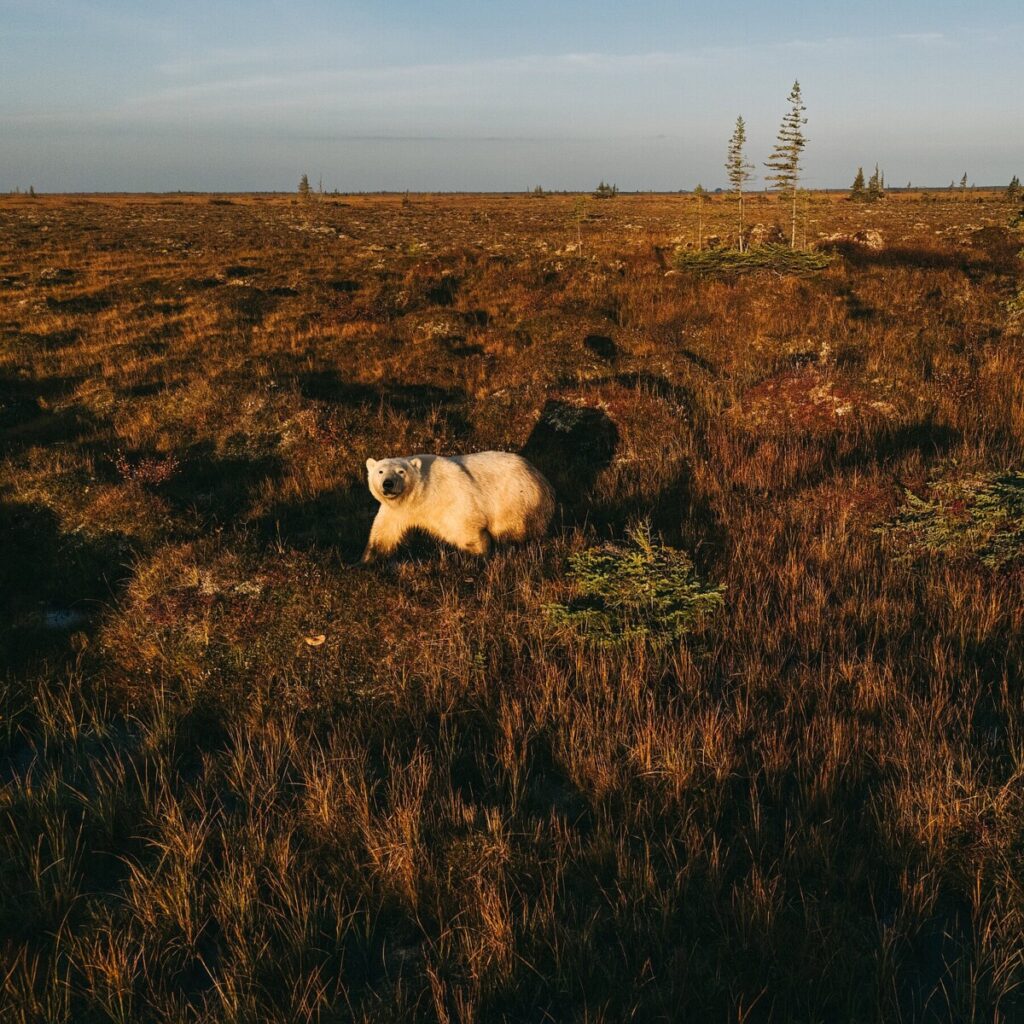
Nestled along the shores of Hudson Bay, Churchill, Manitoba, is often heralded as the “polar bear capital of the world,” thanks to its unique geographical positioning and the seasonal migration patterns of these majestic creatures. The tundra landscape surrounding this small Canadian town provides a crucial habitat for polar bears, especially during the fall months when they gather along the coast in anticipation of the sea ice formation, which is essential for their hunting practices. The region’s stark beauty, characterized by vast expanses of frozen land, sparse vegetation, and the occasional burst of wildlife, serves as a stunning backdrop for both bears and visitors alike.
Churchill’s significance extends beyond its polar bear population; it is also a focal point for wildlife tourism, drawing thousands of visitors each year eager to witness these magnificent animals in their natural habitat. Tour operators offer guided tours that allow travelers to safely observe polar bears from specially designed tundra buggies, ensuring a close yet secure experience. In addition to polar bears, the region is home to a diverse array of wildlife, including Arctic foxes, caribou, and various migratory birds, making it a prime location for nature enthusiasts and photographers. The local economy benefits significantly from this influx of eco-tourism, which supports not only the businesses that cater to visitors but also conservation efforts aimed at protecting the fragile tundra ecosystem.
However, the polar bears and their tundra habitat are facing increasing threats due to climate change. As global temperatures rise, the sea ice that polar bears rely on for hunting is diminishing, forcing them to swim longer distances and search for food in less favorable conditions. This environmental shift not only impacts the bears but also disrupts the entire ecosystem of the tundra. Conservationists and scientists are working diligently to raise awareness about these challenges and advocate for sustainable practices that can help mitigate the effects of climate change. Churchill stands as a poignant reminder of the delicate balance between nature and human activity, and the ongoing efforts to protect its unique wildlife and habitat are crucial for the future of polar bears and the tundra they inhabit.
The tundra outside Churchill, Manitoba, the so-called polar bear capital of the world.


