‘A Big Positive’: How One Company Plans to Profit From Medicaid Cuts
In a recent development, new work requirements imposed by various states are poised to significantly impact the health insurance coverage of millions of low-income Americans. These policies, aimed at encouraging employment among Medicaid recipients, may inadvertently lead to a substantial number of individuals losing their health insurance. According to estimates, as many as 3 million people could find themselves uninsured due to these regulations, which require beneficiaries to engage in work, job training, or volunteer activities to maintain their eligibility for Medicaid. This shift raises concerns about the potential health consequences for those affected, especially in a nation where access to healthcare remains a critical issue for low-income families.
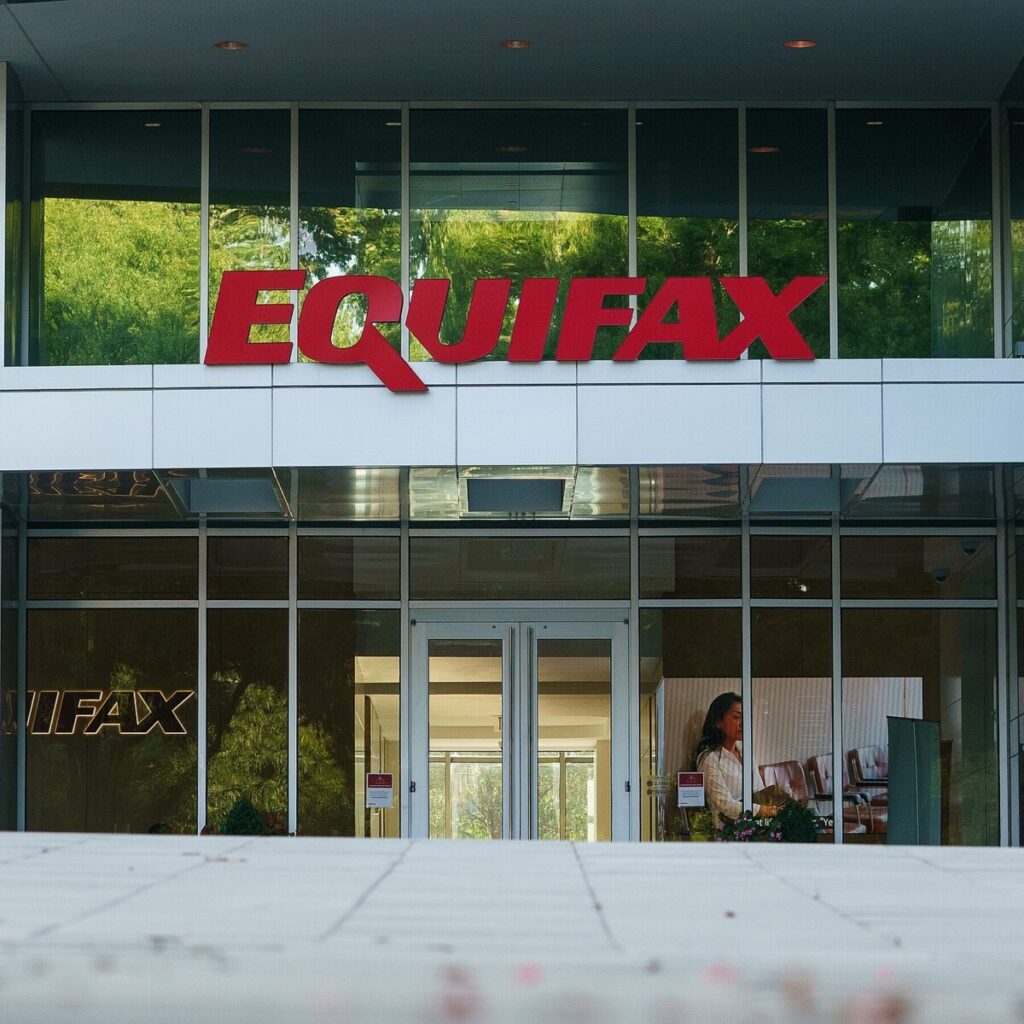
Amidst these changes, Equifax, a major player in the data analytics and credit reporting sector, is seizing the opportunity to capitalize on the situation. The company has positioned itself as a provider of employment data to state governments, charging hefty fees for access to its extensive databases. This move highlights a troubling intersection of corporate interests and public policy, where the need for accurate employment verification becomes a profitable venture for private companies like Equifax. Critics argue that this commodification of essential data could exacerbate the challenges faced by vulnerable populations, as states may prioritize profit-driven partnerships over the welfare of their constituents. With the looming threat of insurance loss for millions, the implications of these work requirements and the role of private corporations in public health policy warrant close scrutiny and debate.
As the landscape of Medicaid eligibility continues to evolve, the consequences of these work requirements will likely unfold in the coming months, prompting discussions about the balance between encouraging employment and ensuring access to vital healthcare services. The situation underscores the need for policymakers to carefully consider the ramifications of such regulations, particularly for the most vulnerable members of society who depend on Medicaid for their health and well-being. The intersection of corporate profit motives and public health policy raises critical questions about the future of healthcare access in America, especially for those who are already facing economic hardships.
New work requirements are expected to leave millions of poor Americans uninsured. For Equifax, which charges states steep prices for its trove of employment data, it is a business opportunity.