
Why Are My Hands and Feet Cold?
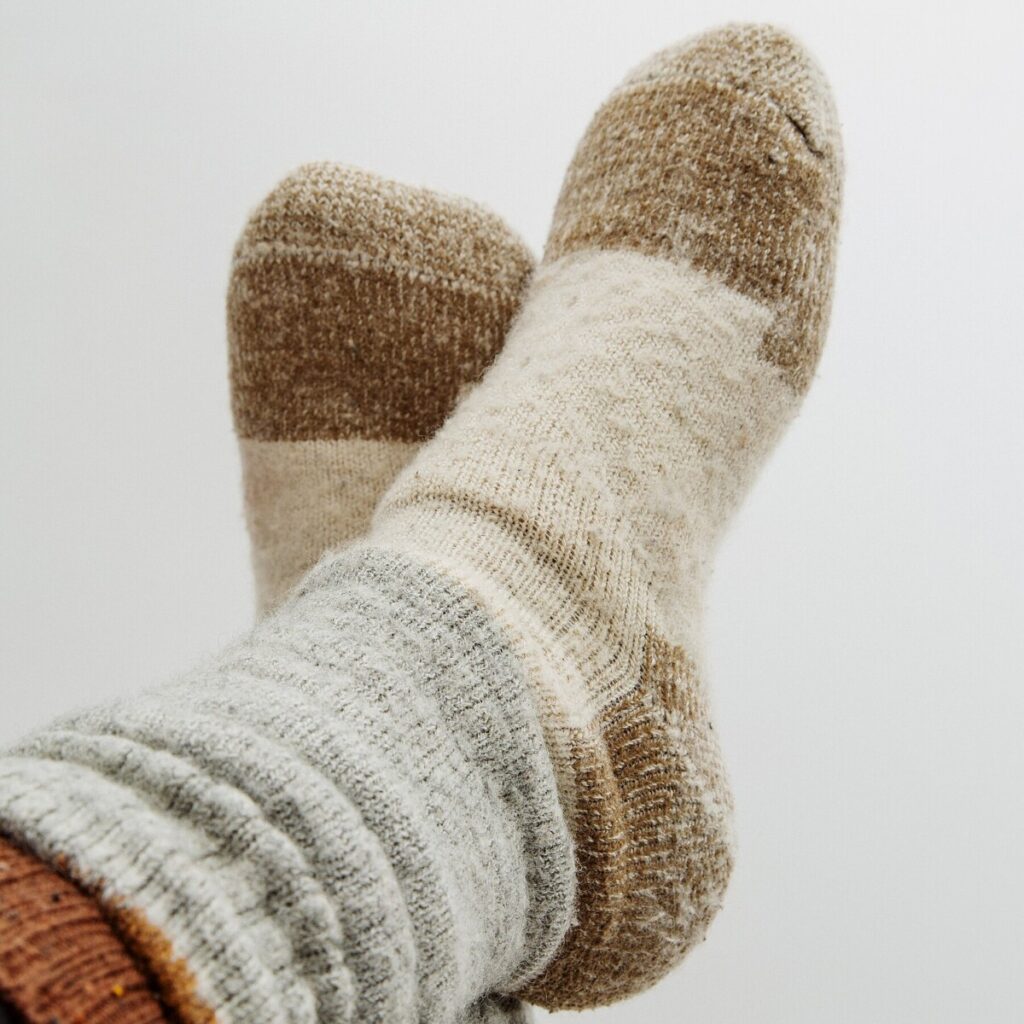
Chilly fingers and toes are a common experience for many, particularly during the colder months, and often do not signal any serious health concerns. However, persistent cold extremities can sometimes be indicative of underlying medical issues that warrant attention. For instance, conditions like Raynaud’s phenomenon can cause blood vessels to constrict excessively in response to cold or stress, leading to numbness and a change in color of the fingers and toes. This condition can be accompanied by discomfort and may require lifestyle adjustments or medical intervention to manage effectively.
In addition to Raynaud’s, other factors contributing to cold extremities include poor circulation, which can stem from cardiovascular issues, diabetes, or even anemia. When blood flow is compromised, the body prioritizes core temperature regulation, often leaving the extremities feeling cold. For example, individuals with peripheral artery disease may experience cold feet due to narrowed arteries that limit blood flow. Moreover, hypothyroidism, a condition where the thyroid gland does not produce enough hormones, can also lead to cold fingers and toes, as metabolism slows down and the body struggles to maintain warmth.
While chilly fingers and toes can be benign, it is crucial to monitor for accompanying symptoms such as persistent pain, color changes, or swelling, which could indicate a more serious health issue. If these symptoms occur alongside cold extremities, consulting a healthcare professional for a thorough evaluation is advisable. Understanding the potential causes and when to seek help can empower individuals to take charge of their health and ensure that they are not overlooking any significant concerns.
Chilly fingers and toes are generally nothing to worry about, but they can sometimes indicate a more serious condition.


