RealPage Agrees to Settle Federal Rent-Collusion Case
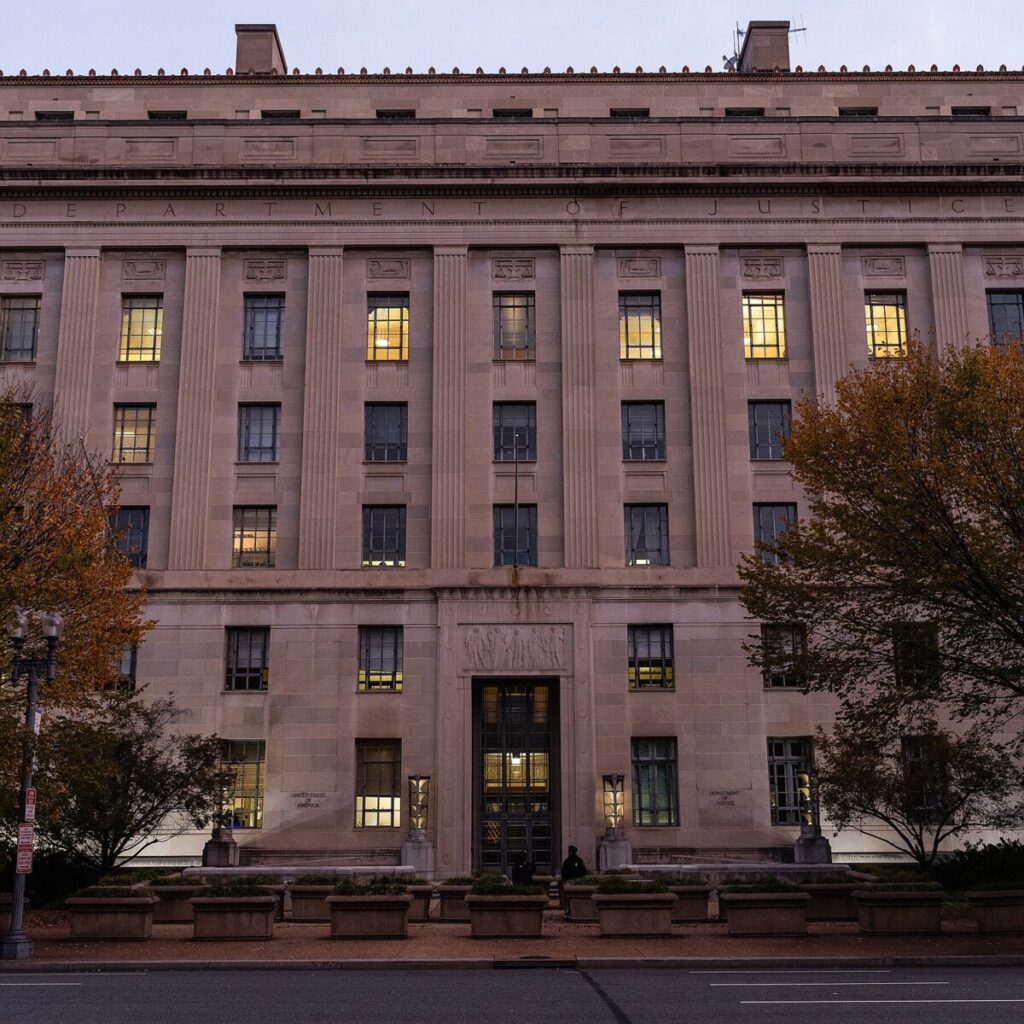
In a significant move reflecting the evolving landscape of technology and competition, Gail Slater, the head of the Justice Department’s antitrust division, has emphasized the government’s commitment to robust antitrust enforcement in the face of rising algorithmic and artificial intelligence (AI) tools. Slater’s remarks come amid growing concerns about the monopolistic practices of tech giants and the potential risks posed by AI systems that can manipulate markets, consumer choices, and data privacy. The Justice Department aims to ensure that innovation thrives in a competitive environment, free from the constraints of unfair practices that can stifle emerging technologies and startups.
The rise of AI and algorithmic tools has transformed industries, leading to unprecedented efficiencies and capabilities. However, Slater warns that these advancements also present new challenges for regulators. For instance, algorithms can create barriers to entry for smaller competitors, potentially leading to market dominance by a few major players. The Justice Department’s antitrust division is actively monitoring these developments to prevent any anti-competitive behavior that could arise from the misuse of AI technologies. Slater’s comments highlight a proactive stance, suggesting that the government will not hesitate to take action against companies that exploit their technological advantages to undermine competition. This approach underscores the necessity for a balanced regulatory framework that encourages innovation while safeguarding fair competition in the marketplace.
As the debate around AI and competition intensifies, the Justice Department’s focus on antitrust enforcement signals a broader recognition of the need for regulatory oversight in an increasingly digital economy. By prioritizing vigorous enforcement, the Justice Department aims to protect consumers and ensure that technological advancements benefit a diverse range of businesses and individuals. The implications of this stance are significant, as it not only shapes the future of competition in the tech industry but also sets a precedent for how regulatory bodies will engage with emerging technologies in the years to come. As the landscape continues to evolve, stakeholders across various sectors will be closely watching the Justice Department’s actions and policies in this critical area.
“With the rise of algorithmic and artificial intelligence tools, we will remain at the forefront of vigorous antitrust enforcement,” said Gail Slater, the head of the Justice Department’s antitrust division.