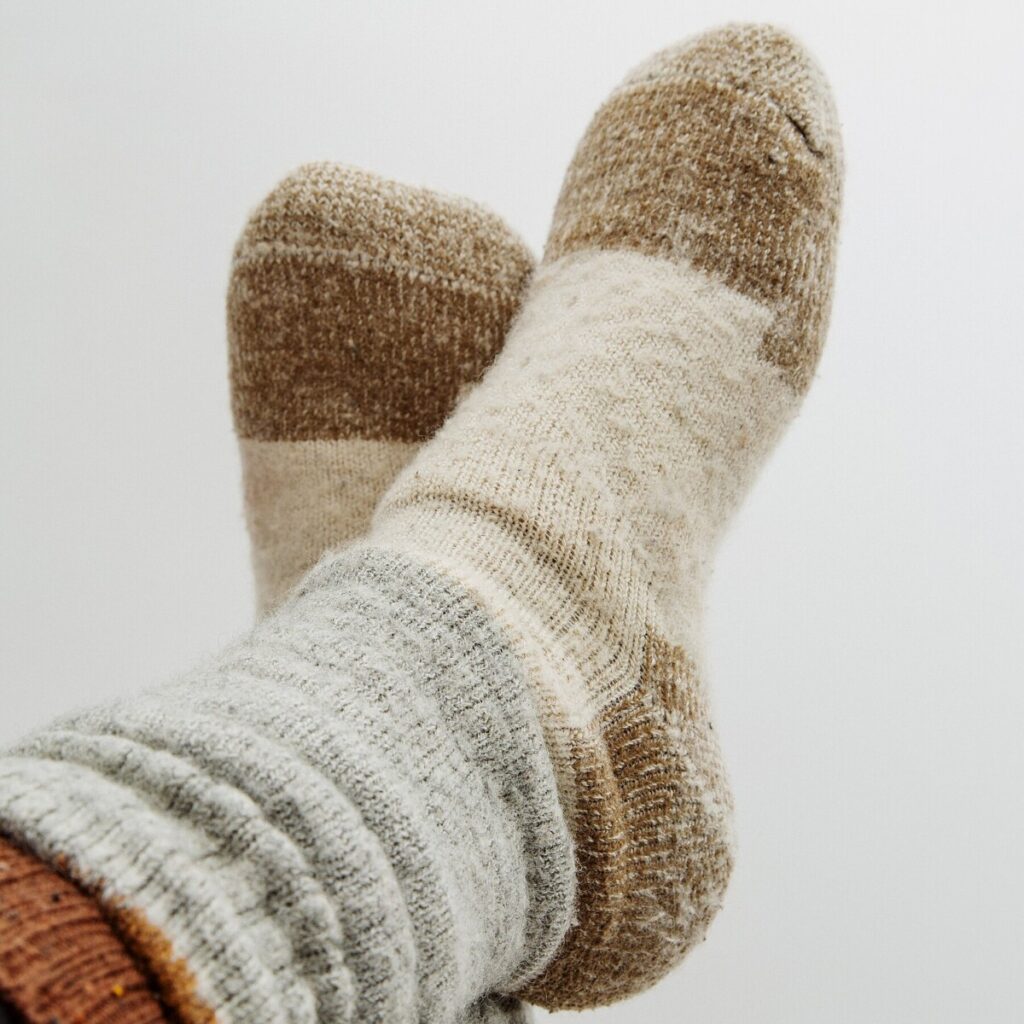
Why Are My Hands and Feet Cold?
**Understanding Cold Extremities: When to Worry About Chilly Fingers and Toes**
Chilly fingers and toes are a common experience for many, especially during colder months or in air-conditioned environments. While it is typically a benign issue, often linked to poor circulation or simply being in a cold environment, persistent coldness in the extremities can sometimes signal underlying health concerns. Conditions such as Raynaud’s phenomenon, peripheral artery disease, or even hypothyroidism may be at play, warranting further investigation. For instance, Raynaud’s phenomenon causes blood vessels in the fingers and toes to constrict excessively in response to cold or stress, leading to a characteristic color change and numbness. In contrast, peripheral artery disease can restrict blood flow due to narrowed arteries, resulting in coldness and discomfort.
Recognizing when chilly extremities are a cause for concern is crucial. If cold fingers and toes are accompanied by other symptoms such as pain, color changes (like turning blue or white), numbness, or if they persist despite warming up, it is advisable to seek medical advice. Additionally, individuals with a history of cardiovascular issues or those who smoke may be at a higher risk for developing conditions that affect circulation. Lifestyle factors, such as maintaining a balanced diet, exercising regularly, and avoiding smoking, can significantly enhance blood flow and overall health, potentially alleviating symptoms of cold extremities. Understanding the context and potential implications of chilly fingers and toes can empower individuals to take proactive steps in their health management.
Chilly fingers and toes are generally nothing to worry about, but they can sometimes indicate a more serious condition.


