What Trump Must Understand To Achieve A Peace Deal With Putin
In the ongoing conflict between Russia and Ukraine, the United States faces the critical challenge of navigating diplomatic efforts to end the war without misinterpreting Russian President Vladimir Putin’s true intentions. Analysts warn that misunderstanding Putin’s motives could lead to misguided policies that may exacerbate the conflict rather than resolve it. Historically, Putin has demonstrated a willingness to employ aggressive tactics to achieve his geopolitical goals, often using military force and disinformation as tools of statecraft. For instance, his annexation of Crimea in 2014 and the ongoing support for separatist movements in Eastern Ukraine illustrate a pattern of behavior that suggests a deep-seated desire to expand Russian influence at the expense of neighboring countries.
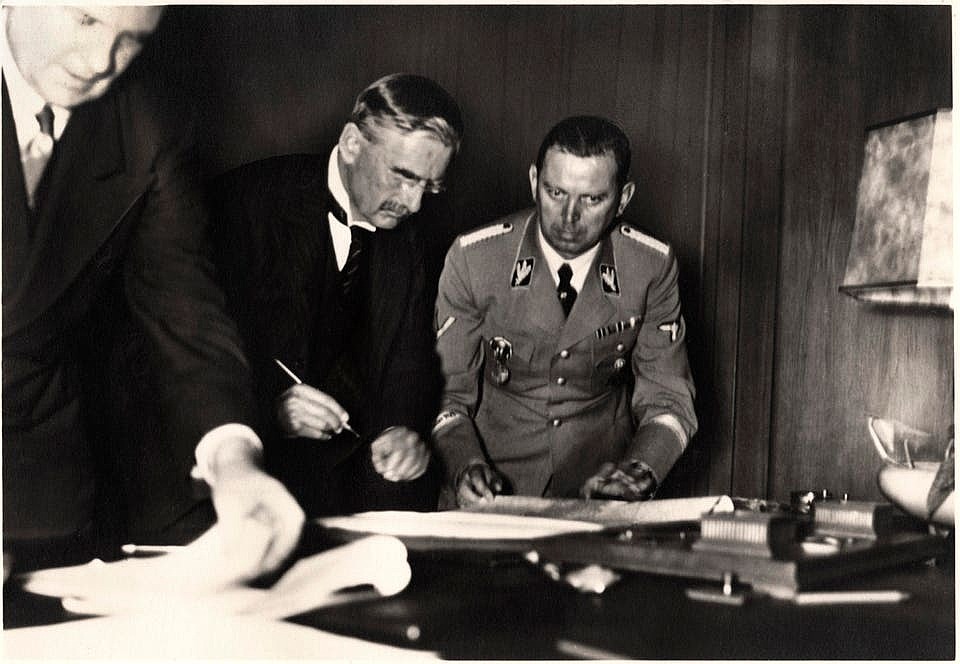
To effectively engage in peace negotiations, the U.S. must recognize that Putin’s actions are not solely driven by a desire for security or national pride but are also rooted in a broader strategy to reassert Russia’s status on the global stage. The Kremlin’s narrative often portrays the West as a direct threat, which justifies its military interventions and aggressive posturing. For the U.S. and its allies, this means that any approach to diplomacy must be grounded in a realistic assessment of Russia’s ambitions and the potential consequences of appeasement. Historical examples, such as the failed attempts to negotiate with leaders like Adolf Hitler prior to World War II, serve as cautionary tales about the dangers of underestimating an adversary’s resolve and ambitions.
Moreover, the U.S. must also consider the implications of its support for Ukraine, balancing military aid with diplomatic overtures. While bolstering Ukraine’s defense capabilities is crucial, it is equally important to pursue avenues for dialogue that might lead to a durable peace. This dual approach requires a nuanced understanding of both the military dynamics on the ground and the political landscape in Moscow. Engaging with allies and leveraging international pressure on Russia could provide a framework for negotiations, but the U.S. must remain vigilant against any signs of Putin’s willingness to exploit perceived weaknesses in the West’s resolve. Ultimately, a miscalculation in reading Putin’s motives could lead to a prolonged conflict with devastating consequences for both Ukraine and the broader region.
https://www.youtube.com/watch?v=Eyg3I5qbcsY
In trying to end the Russia-Ukraine war, the U.S. must not make the disastrous mistake of misreading Putin’s real motives.


