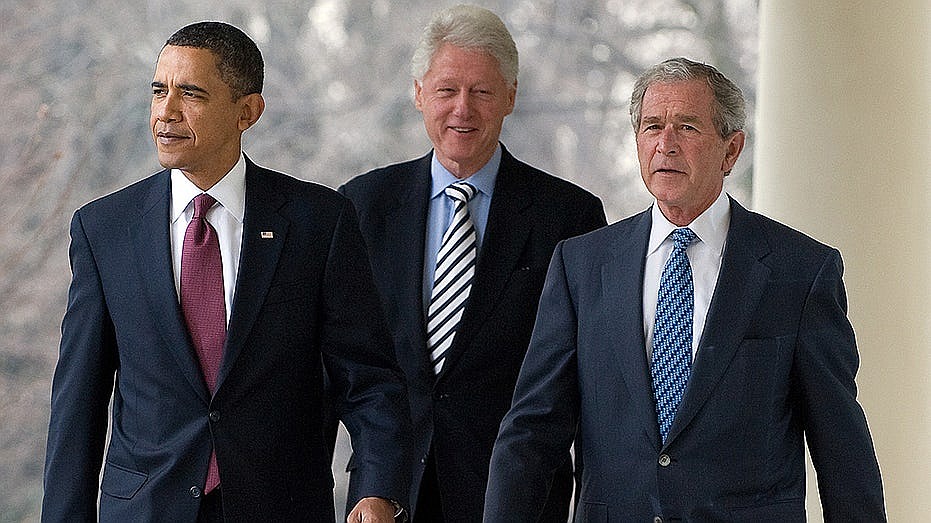
Taxpayers on the hook for lawn care, fixing hinges at presidential libraries; Trump-led reforms aim to stop it
The National Archives and Records Administration (NARA) is initiating significant reforms to the funding structure of presidential libraries, aiming to reduce the burden on taxpayers for operational costs. This move comes in light of the increasing financial demands associated with maintaining these libraries, which serve as repositories for presidential records and artifacts. Currently, NARA oversees fourteen presidential libraries, with plans to expand this number to sixteen with the anticipated addition of facilities dedicated to former Presidents Donald Trump and Joe Biden. Despite the noble intentions behind the stewardship of these institutions, NARA’s reliance on taxpayer funding for routine maintenance—such as landscaping, painting, and cleaning—has prompted a reevaluation of how these libraries are financed.
NARA spends approximately $91 million annually on presidential libraries, with an alarming $123 million in deferred maintenance costs across the system. In an effort to alleviate this financial strain, NARA is negotiating with individual presidential foundations to transfer more operational responsibilities to them. Senior advisor Jim Byron emphasized the need for these changes, stating that the growing scope of presidential libraries necessitates a shift in financial responsibilities to ensure their long-term sustainability. The ongoing negotiations, which began in spring, are expected to save NARA about $27 million, allowing the agency to redirect funds towards its primary mission of preserving and sharing federal and presidential records, including digitizing historical documents.
The importance of this reform is underscored by comments from historians and experts, such as Chapman University history professor Luke Nichter, who highlighted the escalating costs associated with building and maintaining presidential libraries. He noted that the financial burden should not fall solely on American taxpayers, particularly as the costs of establishing these libraries can rival the expenses of presidential campaigns. The current discussions align with NARA’s broader efforts to refocus on its core mission and ensure that the preservation of historical records takes precedence over operational expenditures. The agency’s commitment to reform is not only a response to budgetary constraints but also a proactive step towards safeguarding the future of these vital institutions for public access and historical integrity.
FIRST ON FOX:
The
National Archives
and Records Administration (NARA) is seeking to reform the funding structure for presidential libraries in an effort to reduce reliance on taxpayer funding for operational costs and allow NARA to focus more on preserving and providing access to records.
Fourteen presidential libraries fall under the National Archives system, and that number is expected to jump to 16 for presidential libraries dedicated to Trump and former President
Joe Biden
.
While NARA and the presidential foundations have their own individual agreements outlining cost-sharing burdens for these presidential libraries, taxpayer funding is going toward
maintenance costs,
including mowing lawns, painting walls and cleaning toilets at nearly all these buildings, according to NARA.
Additionally, the government contracting process for quick repairs like broken door hinges filters through an approval process in Washington and can take weeks or months to be addressed, the agency said.
DEMOCRATIC DONORS RELUCTANT TO GIVE TO BIDEN’S PRESIDENTIAL LIBRARY: REPORT
As a result, NARA is in the process of negotiating with each presidential foundation on an individual basis so they can take greater ownership of the operational responsibilities for their specific library, Jim Byron, senior advisor to the archivist, told Fox News Digital.
“Despite decades of well-intentioned oversight and stewardship of America’s presidential libraries by the National Archives, reality now dictates that
operational changes
can and should be made to ensure the long-term health of these American treasures,” Byron said in a statement to Fox News Digital Monday.
“Presidential libraries have grown in scope and purpose, and with that growth — and with anticipated future additions to the system — comes increased expenditures to be borne by the American taxpayers.”
NARA spends $91 million annually on presidential libraries from appropriations, and the deferred maintenance costs across the entire library system total roughly $123 million.
Under current negotiations that launched in the spring between NARA and the presidential foundations, shifting some of
the costs to the presidential foundations
is expected to save NARA $27 million. These funds will then be shifted toward NARA’s primary mission of preserving and sharing records, including digitizing and releasing more files, Byron said.
WHITE HOUSE MAKEOVERS HAVE LONG SPARKED CONTROVERSY, WELL BEFORE PRESIDENT TRUMP’S $200M BALLROOM
In the event that changes aren’t made to shift more operational costs to presidential foundations, NARA’s ability to focus on its mission will be jeopardized, according to Byron.
“The alternative is to do nothing and allow NARA’s appropriations to go to lawn care and toilet cleaning at the expense of FOIA processing, to close all presidential libraries when the government shuts down, to allow a deferred maintenance backlog to grow and to regret that presidential library structures were not addressed,” Byron said. “The National Archives is committed to making sure that doesn’t happen while delivering for the American people.”
Luke Nichter, a history professor at Chapman University who said he averages 100 days annually for research and interviews with former government officials, told Fox News Digital that, given the constraints of the federal budget, it’s necessary for presidential foundations to shoulder more of the cost for upkeep of these presidential libraries.
TRUMP REVEALS ARC DE TRIOMPHE-STYLE MONUMENT FOR AMERICA’S 250TH ANNIVERSARY
“It now takes about as much money to build a presidential library as it does to run for president — about a billion dollars,” Nichter said in an email to Fox News Digital Tuesday. “The American taxpayer should not bear that. The administration deserves credit for starting an important conversation about the future of these cherished institutions.
“In the future, the National Archives will have to focus more closely on what it does well — the preservation of federal and presidential records — and leave other functions to the presidential foundations.”
This most recent effort aligns with other initiatives underway at the National Archives aimed at redirecting efforts to the agency’s mission, including working with other agencies to release the John F. Kennedy, Martin Luther King Jr., and Amelia Earhart files.
The presidential library structure varies, and NARA and each presidential foundation have their own separate public-private agreements. Typically, though, private funds are used to create a presidential library, which NARA then oversees using federal funding.
But this isn’t always the case. For example, the
Obama Foundation
is an entirely private entity and did not choose to construct a library for NARA to store documents, instead opting to build a private presidential center and private museum. As a result, NARA digitized and stored Obama presidential records at an existing NARA site and still oversees preserving and providing access to those records.
Previous efforts to revamp the funding partnership between government and private entities successfully occurred in 2018, when NARA coordinated with each presidential foundation to discuss which operations it could take on amid increased budget constraints. Ultimately, those negotiations led to NARA and the George W. Bush Foundation securing a new deal splitting operational costs.