Harper: Time for a conservative fix to college sports
The future of college sports, a cherished American tradition that fosters resilience and teamwork among half a million student-athletes annually, is facing unprecedented challenges due to a lack of coherent regulations governing name, image, and likeness (NIL) rights. As the landscape of college athletics evolves, it has become crucial for lawmakers to step in and establish a framework that not only protects the integrity of college sports but also ensures that young athletes are not exploited by external influences. The SCORE Act, a bipartisan proposal led by Republicans, aims to provide a solution by creating a national standard for NIL rights while preventing college athletes from being classified as employees, thereby maintaining the focus on education and competition. This approach has garnered support from some Democratic lawmakers, signaling a potential path forward that prioritizes stability in college sports.
In stark contrast, the SAFE Act proposes a more interventionist approach that could lead to government oversight of collegiate athletics, particularly concerning media agreements. Critics argue that this would introduce unnecessary bureaucracy and risk imposing progressive ideologies on college sports, undermining their core values. The SAFE Act does not address the pressing concerns of athlete employment status, which has been met with significant opposition from athletic departments and student-athletes alike. As highlighted by University of North Florida swimmer Ashley Cozad, shifting to an employment model could jeopardize opportunities for many athletes, leading to labor disputes and diminishing the very essence of college athletics.
Ultimately, the preservation of college sports hinges on a careful legislative approach that balances the need for regulation with the autonomy of institutions. The SCORE Act represents a common-sense solution that not only aims to stabilize the current landscape but also seeks to protect the traditions that make college athletics a vital part of American culture. As Congress deliberates on these competing proposals, it is essential to prioritize the future of college sports and the opportunities they provide for aspiring athletes across the nation.
Preserving traditions that make our country great unites conservatives. That includes college sports. Each year, half a million young Americans earn a college degree while competing in school-sponsored athletics. However, the future of college sports is at risk, and protecting one of the last aspects of campus life not corrupted by liberal ideology is worth it.
The solution requires a legislative fix without government overreach. Well-defined rules are essential for institutions to maintain their integrity, stability, and, most important, independence. Unfortunately, the lack of national standards governing name, image and likeness (NIL) rights for student-athletes is causing disorder.
Inconsistent NIL rules leave certain athletes and programs at a disadvantage, especially in Olympic and women’s sports. It also means no guardrails preventing young athletes from being exploited by third-party actors.
The SCORE Act, spearheaded by Republicans, offers a bipartisan solution at a critical time. Rather than allowing chaos to grow or handing control over college sports to bureaucrats, as some have suggested, the bill establishes a national NIL standard across all states. It also prevents college athletes from being turned into employees, which keeps the focus on education and competition, and saves non-revenue-generating sports from administrative cuts. A GOP-led bill, its common-sense approach has attracted the support of several Democratic lawmakers who recognize this is their best chance to be a part of the long-term solution to college sports stability.
Contrast that with the alternative proposal: the SAFE Act.
Rather than empowering students, this bill invites a Washington power grab in college sports. For example, the bill opens the door for government entities to oversee collegiate athletics’ media agreements. Not only should the federal government have zero involvement in free negotiations between two private parties but this also enables the left to bring a culture war to college sports. As we know too well, biased federal bureaucrats will certainly inject progressive ideology into college sports if it gains control over the industry.
The SAFE Act does not preempt athlete employment status, despite how unpopular this policy is among athletic departments and student-athletes. As University of North Florida swimmer Ashley Cozad told Congress, “Most institutions would not be able to afford an employee model. … This model would decimate opportunities for athletes like me.”
Just imagine the wave of collective bargaining, labor disputes and union negotiations that will arise under an employment model.
The left’s vision for college sports amounts to more red tape and more bureaucracy. If history has taught us anything, it’s that excessive government intervention tends to hurt institutions — less competition, less innovation and less efficiency. It also gives career officials in Washington the chance to “rethink” or “reimagine” industries in their own vision. College sports will not be spared from a similar fate if taken over by the federal government.
College athletics are embedded in our culture because they reflect the best of our national character: resilience, teamwork, discipline and fairness. We can strengthen that tradition, but only through an approach that stabilizes college sports and protects the opportunities they provide.
Congress must pass the SCORE Act now to keep college sports great.
Gregg Harper is a former U.S. representative from Mississippi/InsideSources
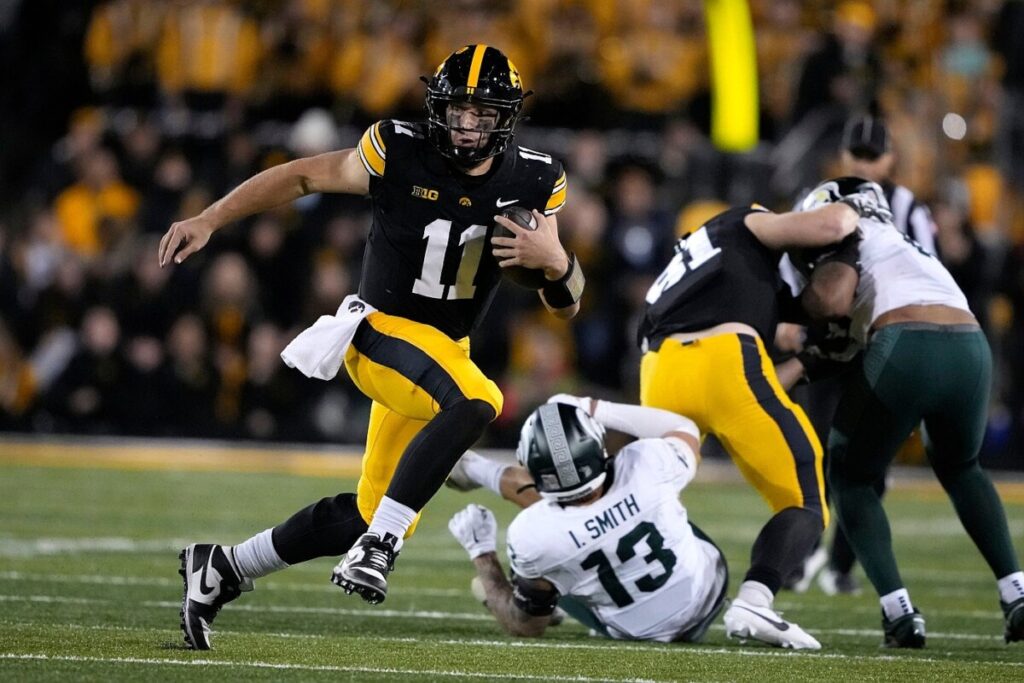
Two bills addressing college athletes, the SAFE Act and the SCORE Act, are before Congress. (AP Photo/Mark Tenally)


