Trump Vowed Fewer Regulations and Lots More Oil. He’s Delivered on One.
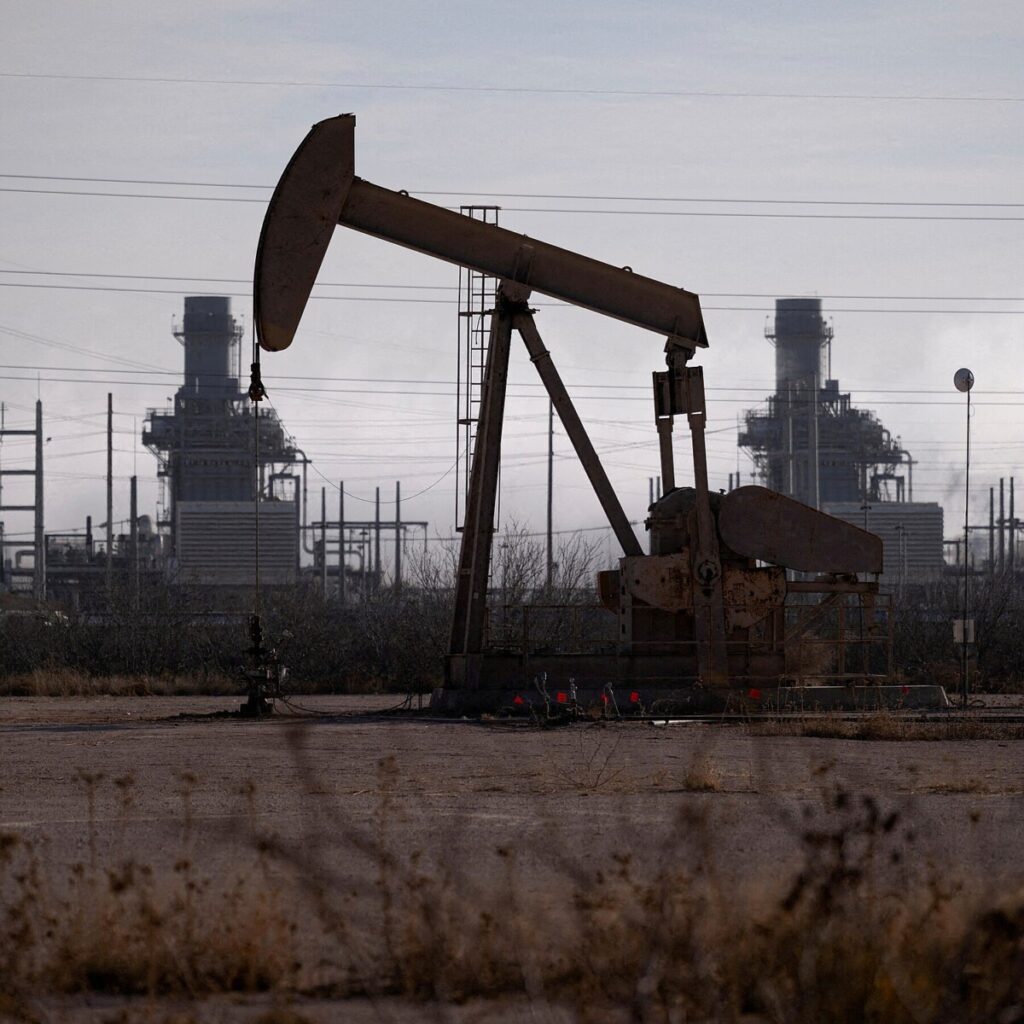
Since President Trump’s inauguration in January 2017, the United States has witnessed a notable increase in oil production, primarily driven by advancements in technology and improved operational efficiencies within the industry. According to data from the U.S. Energy Information Administration, domestic crude oil production surged from approximately 9 million barrels per day in 2016 to over 12 million barrels per day by 2019. This uptick has been attributed to innovations in drilling techniques, particularly hydraulic fracturing and horizontal drilling, which have allowed energy companies to extract oil from previously inaccessible reserves. However, despite this impressive rise in output, the anticipated job growth within the oil sector and broader economy has not materialized to the extent expected.
Critics of the administration’s energy policy argue that while oil production has soared, the accompanying job creation has been lackluster. Reports indicate that the oil and gas extraction industry has not seen a significant increase in employment numbers, with many companies opting to invest in technology that boosts efficiency rather than expanding their workforce. For instance, the Bureau of Labor Statistics reported that employment in the oil and gas extraction sector remained relatively flat, with only modest job growth in ancillary industries such as transportation and services. This phenomenon raises questions about the sustainability of the current production model, as companies prioritize automation and technology over hiring new workers, leading to a paradox where increased production does not equate to economic benefits for the workforce.
The situation has broader implications for the U.S. economy, particularly in regions heavily reliant on the oil industry. While some areas, such as Texas and North Dakota, have experienced localized booms, the overall national economic impact appears muted when considering the lack of job creation. Furthermore, the volatility of oil prices and ongoing shifts toward renewable energy sources pose challenges for the long-term viability of the industry. As the nation grapples with these transitions, the focus may need to shift from merely boosting production to creating a more sustainable and inclusive energy sector that prioritizes job growth and economic stability. In conclusion, while the Trump administration’s policies have successfully increased oil output, the disconnect between production levels and job growth highlights the complexities of the energy landscape and the need for a more holistic approach to energy policy.
https://www.youtube.com/watch?v=iZ4bTbnQ_TU
Since President Trump took office, oil production is up, but largely because of improved efficiency, and it has not translated into more jobs for either the industry or the overall economy.


