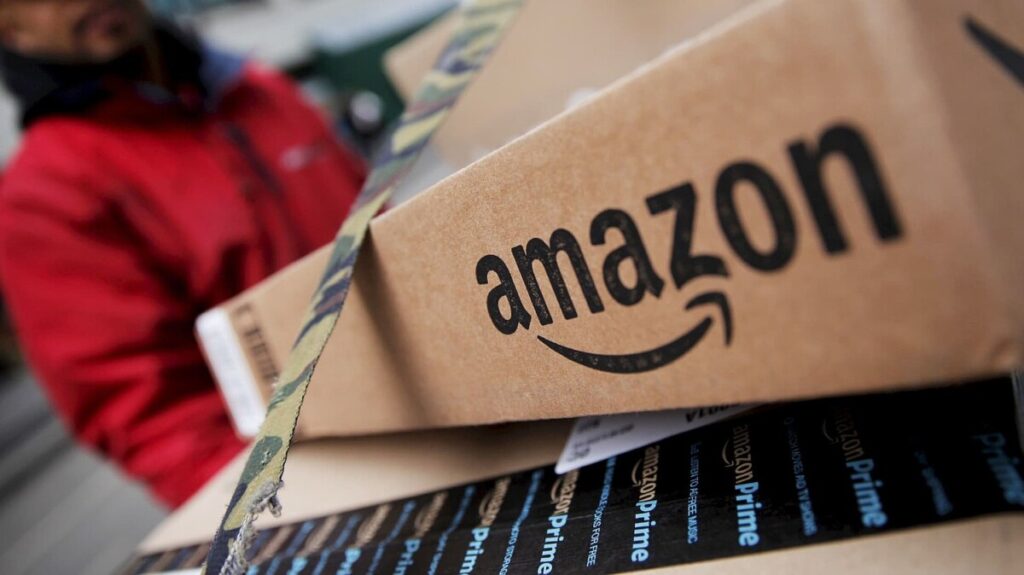
How Amazon became America’s biggest clothing seller
Amazon has solidified its position as the leading retailer in U.S. apparel sales, boasting a significant market share that outpaces its competitors by a wide margin. This dominance can be attributed to its extensive product selection, competitive pricing, and the convenience of its shopping experience. With millions of items available at the click of a button, consumers have increasingly turned to Amazon for their clothing needs, making it a one-stop shop for everything from casual wear to high-end fashion. However, this success has not come without its challenges, as Amazon’s retail practices have recently drawn criticism from various quarters, including brands, consumers, and regulatory bodies.
Critics argue that Amazon’s approach to retail undermines smaller brands and traditional retailers. The company’s aggressive pricing strategies and vast distribution network allow it to offer lower prices than many competitors, often at the expense of smaller businesses that struggle to keep up. Additionally, concerns have been raised about the ethical implications of Amazon’s labor practices and its impact on the environment. For instance, reports have surfaced regarding poor working conditions in warehouses and the environmental toll of rapid shipping and returns associated with online apparel sales. Furthermore, as Amazon continues to expand its private label offerings, established brands worry about being squeezed out of the market, as the retail giant prioritizes its own products over those of its partners.
In response to the growing scrutiny, Amazon has taken steps to address some of these concerns. The company has pledged to improve working conditions and has implemented initiatives aimed at sustainability, including commitments to reduce carbon emissions and increase the use of recyclable materials. However, the effectiveness of these measures remains to be seen, and the debate over Amazon’s retail practices is likely to continue as it navigates the complexities of maintaining its market leadership while addressing the ethical and social responsibilities that come with it. As consumers become more aware of these issues, their purchasing decisions may increasingly reflect their values, potentially reshaping the landscape of the apparel market in the coming years.
Amazon holds the top spot for U.S. apparel sales by a wide margin, but its retail practices have come under scrutiny.