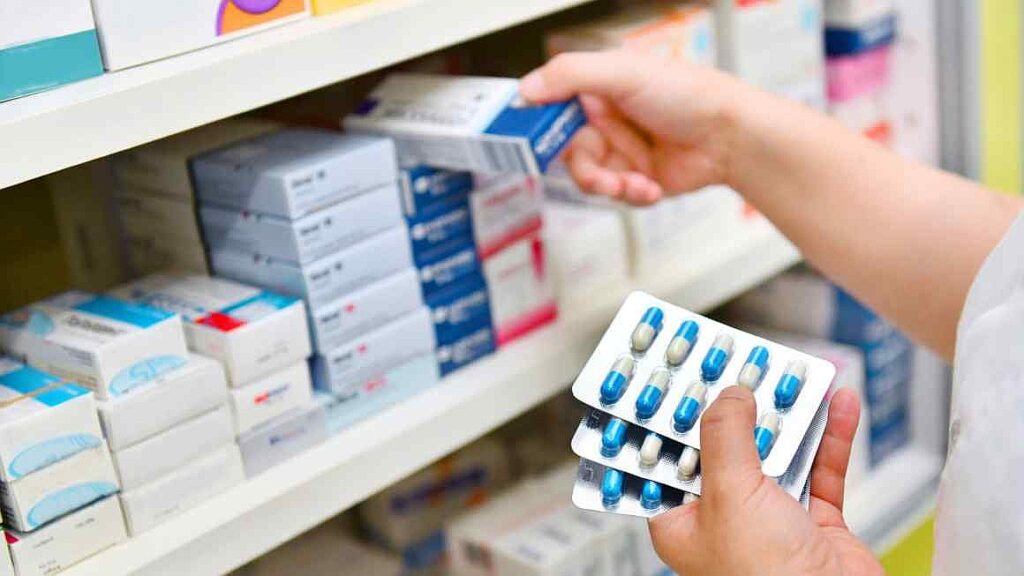
NHS medicines budget set to increase by 25% in push to avoid Trump tariffs
In a significant policy shift, the UK government is taking steps to streamline the approval process for pharmaceuticals, aiming to enhance access to innovative treatments while simultaneously seeking to secure a carve-out from import levies. This initiative comes in the wake of Brexit, as the UK navigates its post-EU regulatory landscape, striving to establish itself as an attractive destination for pharmaceutical companies. By simplifying the approval process, the UK hopes to expedite the introduction of new drugs to the market, ensuring that patients have quicker access to potentially life-saving medications.
The proposed changes involve a re-evaluation of existing regulatory frameworks, with the government looking to reduce bureaucratic hurdles that can delay the availability of new drugs. This includes potentially fast-tracking certain medicines that meet specific criteria, thereby allowing for faster patient access. For instance, the Medicines and Healthcare products Regulatory Agency (MHRA) has already begun implementing more flexible guidelines for clinical trials, which could significantly shorten the time it takes for drugs to receive approval. Furthermore, by creating a more favorable regulatory environment, the UK aims to attract pharmaceutical companies that might otherwise consider relocating to more streamlined jurisdictions, thereby bolstering the domestic economy and fostering innovation in the health sector.
This move is also strategically aligned with the UK’s objective to negotiate favorable trade agreements post-Brexit. By securing a carve-out from import levies on pharmaceuticals, the government hopes to mitigate the financial impact of tariffs that could hinder the import of essential medicines. This dual approach not only aims to enhance the UK’s standing in the global pharmaceutical market but also prioritizes patient access to cutting-edge treatments. As the government pushes forward with these reforms, the healthcare community and patients alike are watching closely, hopeful that these changes will lead to faster access to essential medications and improved health outcomes across the nation.
UK move aims to make it easier for drugs to be approved for use in order to secure carve-out from import levies