Environmentalists Sue to Stop Oil Lease Sales in the Gulf of Mexico
**Exploring the Gulf of Mexico’s Oil Operations: A Deep Dive into Economic Impact and Environmental Concerns**
The Gulf of Mexico has long been a crucial hub for oil production in the United States, significantly contributing to the nation’s energy supply and economic stability. Recent operations in this region highlight both the potential for increased energy output and the ongoing environmental challenges associated with fossil fuel extraction. With the Gulf accounting for a substantial portion of U.S. crude oil production—approximately 17%—the stakes are high for both energy companies and environmental advocates. In recent years, advancements in drilling technology and the discovery of new reserves have led to a renewed interest in offshore oil operations, prompting companies to invest billions in exploration and production.
However, these operations are not without controversy. The Gulf of Mexico has suffered from numerous environmental disasters, most notably the Deepwater Horizon oil spill in 2010, which resulted in catastrophic ecological damage and highlighted the risks associated with offshore drilling. As oil companies ramp up their activities, concerns about oil spills, habitat destruction, and the impact on marine life have intensified. Environmental groups argue that the push for increased oil production contradicts efforts to combat climate change and transition to renewable energy sources. For instance, the Biden administration has faced criticism for balancing its climate commitments with the economic benefits of domestic oil production, leading to a complex debate about energy policy in a time of rising global temperatures.
In addition to environmental implications, the economic benefits of Gulf oil operations are significant. The oil and gas sector supports thousands of jobs in the region and contributes billions to local and national economies. As global oil prices fluctuate, the Gulf’s output becomes even more critical for energy security and price stabilization. The ongoing investments in infrastructure, such as new pipelines and refineries, further underscore the region’s importance in the broader energy landscape. However, this reliance on fossil fuels raises questions about sustainability and the long-term viability of such operations, especially as the world increasingly shifts towards greener energy alternatives. Balancing economic interests with environmental stewardship remains a pressing challenge for policymakers, industry leaders, and communities surrounding the Gulf of Mexico.
As the debate continues, the future of oil operations in the Gulf of Mexico will likely play a pivotal role in shaping the energy landscape of the United States, making it essential for stakeholders to navigate the complexities of energy production, environmental protection, and economic growth.
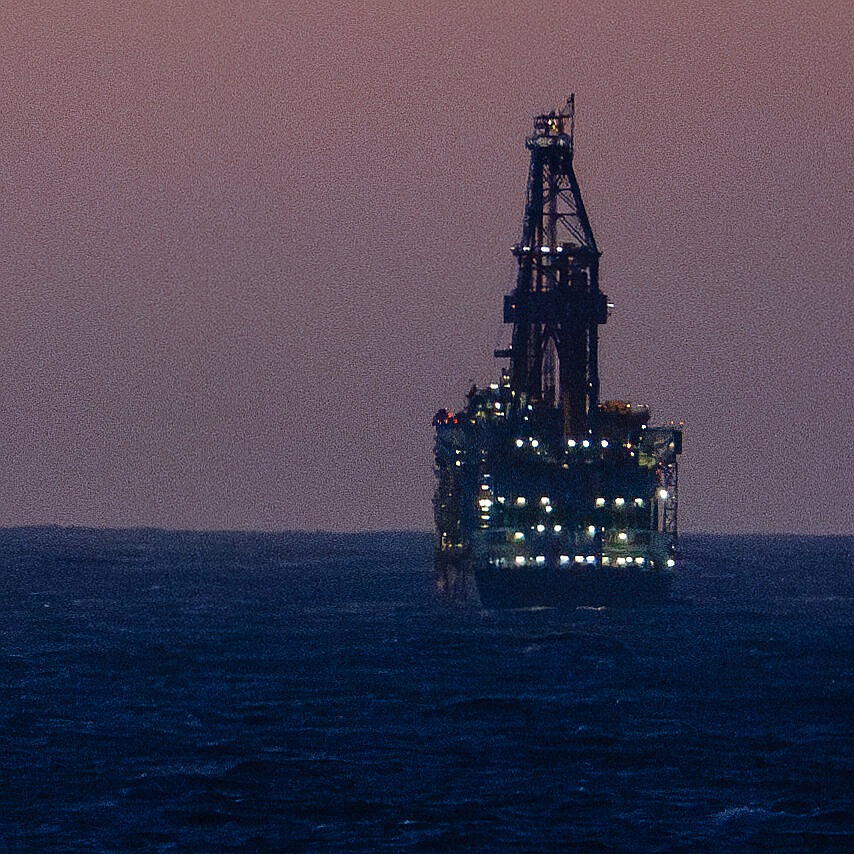
An oil operation in the Gulf of Mexico.


