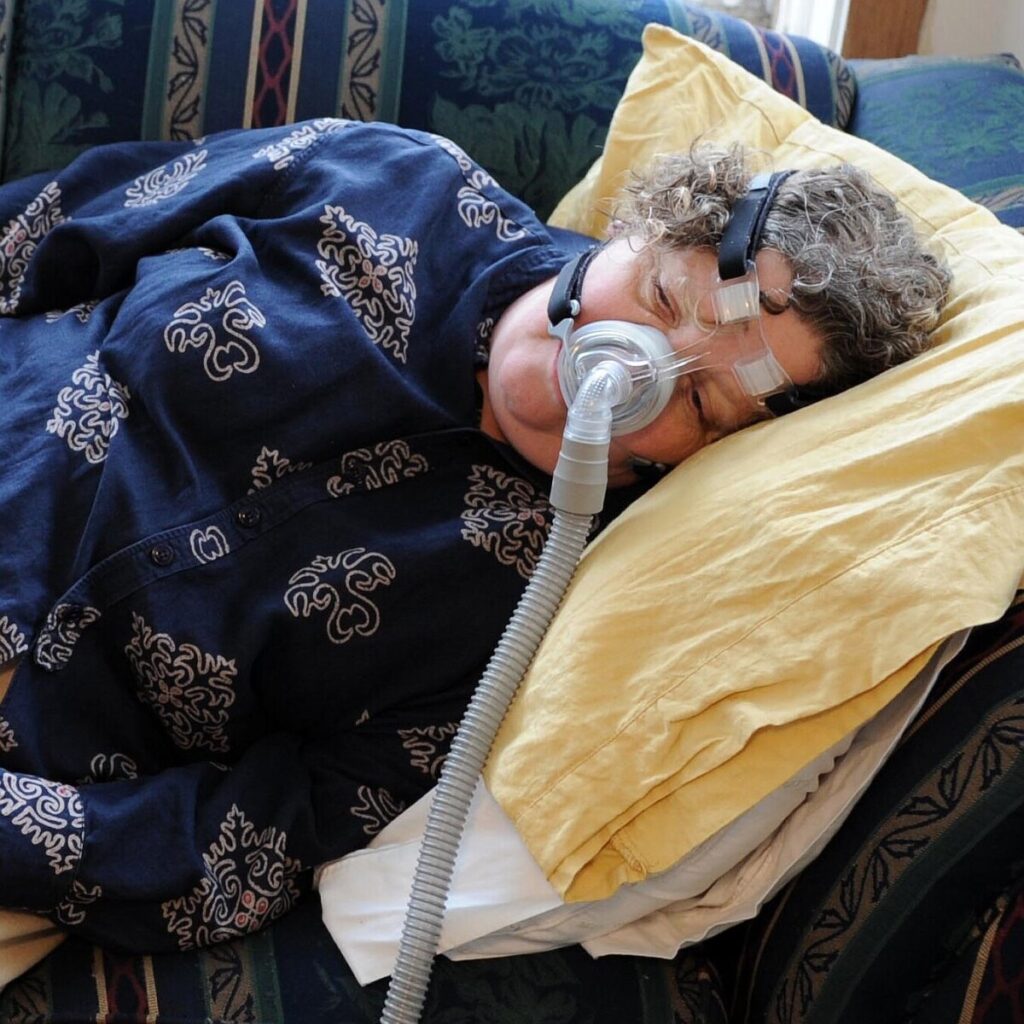
Sleep Apnea Linked to Parkinson’s Disease, New Study Finds
A recent study has revealed a significant link between sleep disorders, particularly REM sleep behavior disorder (RBD), and an increased risk of developing Parkinson’s disease. RBD is characterized by the acting out of dreams, often resulting in physical movements that can be violent or disruptive. The research indicates that individuals suffering from RBD are more likely to develop Parkinson’s disease later in life, highlighting the importance of early diagnosis and intervention for those with sleep disturbances. This finding adds to the growing body of evidence that suggests a strong connection between sleep health and neurodegenerative diseases.
Interestingly, the study also identified a promising treatment that may mitigate this risk. Researchers found that the use of melatonin, a hormone that regulates sleep-wake cycles, showed potential in reducing the likelihood of developing Parkinson’s disease among those with RBD. Melatonin supplementation can help improve sleep quality and reduce the symptoms associated with RBD, suggesting that addressing sleep disorders might play a crucial role in preventing or delaying the onset of Parkinson’s disease. This treatment could provide hope for individuals at risk, emphasizing the need for healthcare providers to consider sleep health as a vital component of neurological assessments.
As awareness of the relationship between sleep disorders and neurological health grows, it becomes increasingly important for individuals to pay attention to their sleep patterns and seek medical advice if they experience symptoms of RBD. Early intervention, such as melatonin therapy, could not only enhance sleep quality but also serve as a protective measure against the development of Parkinson’s disease. This research underscores the interconnectedness of sleep and overall health, encouraging a holistic approach to wellness that prioritizes quality sleep as a fundamental aspect of disease prevention.
Those with the sleep condition were more likely to develop Parkinson’s disease. But one treatment was found to help.


