Nicholas: Basic safeguards could prevent hospital infections
In the realm of modern medicine, new technologies often steal the spotlight, but infection-control experts are raising alarms about the fundamental practices that are being overlooked in hospitals. The Centers for Disease Control and Prevention (CDC) reports that on any given day, one in 31 hospital patients suffers from a hospital-acquired infection (HAI), with nearly 1.7 million cases occurring annually in the U.S. alone. Tragically, these infections lead to approximately 100,000 deaths each year, costing the healthcare system between $28 billion and $45 billion. Amidst these staggering statistics, experts emphasize that simple, cost-effective interventions—such as the routine replacement of cubicle curtains and stringent hand hygiene practices—could significantly mitigate these risks.
Cubicle curtains, often among the most touched and least regulated surfaces in healthcare settings, are frequently neglected in cleaning protocols. A recent study published in the *American Journal of Infection Control* revealed that these curtains can harbor resistant bacteria, including methicillin-resistant Staphylococcus aureus (MRSA), with 87.5% testing positive for the pathogen by day 14 of use. Alarmingly, many hospitals only change these curtains when they appear visibly soiled, despite evidence suggesting they become contaminated much sooner. Infection-control advocates recommend that hospitals establish a routine replacement schedule—ideally every three months—and implement electronic tracking systems to ensure compliance. This simple practice could drastically reduce the transmission of infections in patient rooms.
Furthermore, hand hygiene remains a critical yet often neglected aspect of infection control. Despite extensive public health campaigns, compliance rates among healthcare workers fall short of expectations. For instance, while operating-room staff self-reported a compliance rate of 73%, observed rates were only 11%. This disconnect highlights the need for renewed emphasis on handwashing protocols. In addition, catheter-associated urinary tract infections (CAUTIs) persist as one of the most common HAIs, but evidence shows that nurse-driven protocols allowing for the removal of catheters without physician orders can significantly reduce their incidence. One study noted a reduction in catheter use from 49.4% to 34.84%, resulting in a decrease in CAUTI cases by more than half.
As hospitals continue to invest in advanced technologies, infection-prevention experts argue that the basics are paramount. Simple, low-cost interventions—like maintaining hand hygiene, replacing contaminated curtains, and removing unnecessary medical devices—have proven effective in reducing infections, saving lives, and lowering healthcare costs. By prioritizing these fundamental practices, healthcare facilities can enhance patient safety and combat the persistent challenge of hospital-acquired infections.
New technologies tend to dominate headlines in modern medicine, but infection-control experts warn that basic, overlooked safeguards are increasingly becoming weak links in patient safety — contributing to the stubbornly high rate of hospital-acquired infections (HAIs) in the United States.
According to the Centers for Disease Control and Prevention, one in 31 hospital patients on any given day has at least one HAI. Nearly 1.7 million patients develop these infections annually, and 100,000 die in hospitals as a result. HAIs cost the healthcare system between $28 billion and $45 billion annually, according to research funded by the National Institute of Nursing Research.
Now, infection-control specialists say small, inexpensive interventions — such as routine replacement of cubicle curtains — could dramatically reduce those risks.
High-touch surfaces are expected to be cleaned frequently in clinical settings, but cubicle and privacy curtains often go unnoticed. Infection Control Today recently identified them as among “healthcare’s most touched and least regulated surfaces.”
Most hospitals change curtains only when they appear soiled. However, a study published in the American Journal of Infection Control found privacy curtains can be breeding grounds for resistant bacteria such as MRSA. Most hospitals change curtains when they are visibly soiled, despite evidence that they become contaminated over a 21-day period, with 87.5% of the curtains testing positive for methicillin-resistant Staphylococcus aureus by day 14.
With federal and state guidelines offering little clarity, the publication recommends hospitals replace privacy curtains at least once per quarter and use electronic tracking systems to ensure compliance. Advocates say this low-cost practice could significantly reduce transmission risks in patient rooms.
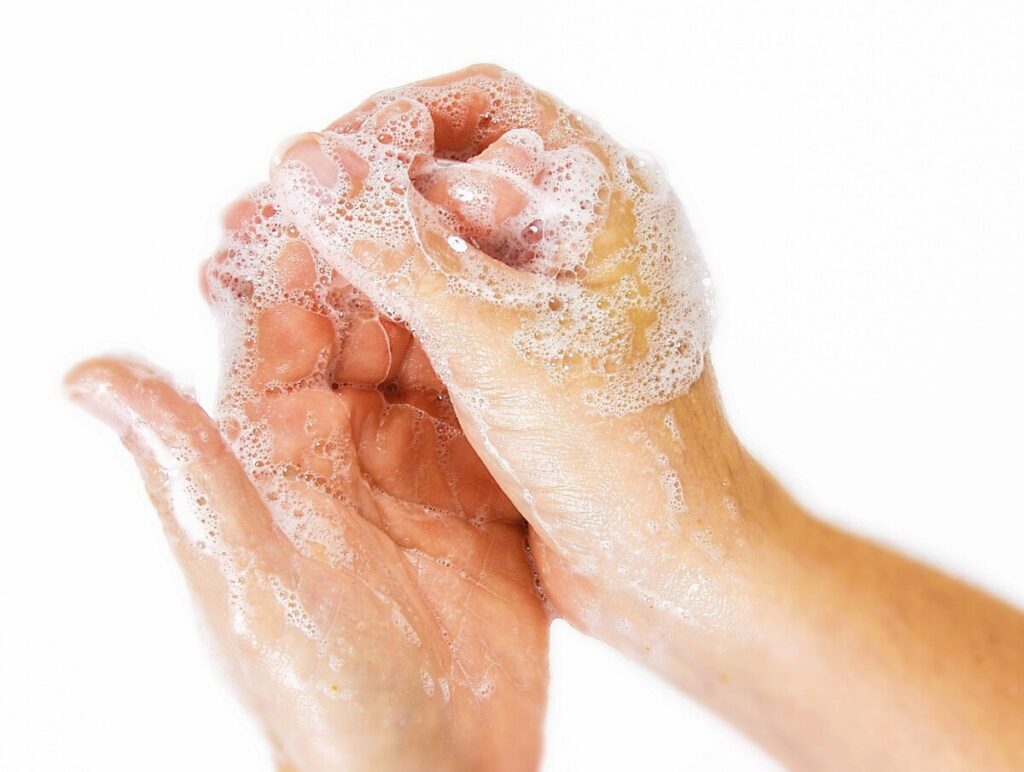
Another low-cost, highly effective policy is hand hygiene. Despite decades of public health messaging, hand hygiene remains another chronic weak point. One study cited by researchers found a striking disconnect between how often clinicians believed they cleaned their hands and how often they actually did. Operating-room staff self-reported compliance rates of 73%; endoscopy staff reported 95%. Observed compliance was just 11%.
Catheter-associated urinary tract infections (CAUTIs) also remain among the most common HAIs. These, too, are highly preventable.
Nurse-driven protocols allowing nurses to remove catheters without physician orders have shown significant benefits. One study found these protocols reduced catheter use from 49.4% to 34.84% and cut CAUTI incidence by more than half.
While hospitals continue investing in advanced diagnostic tools and antimicrobial materials, infection-prevention experts say the fundamentals still matter most. Simple, inexpensive steps — washing hands, replacing contaminated curtains, removing unnecessary devices — have proven track records of reducing infections, saving lives and lowering costs.
Karina Nicholas is a freelance writer in Michigan/InsideSources


