
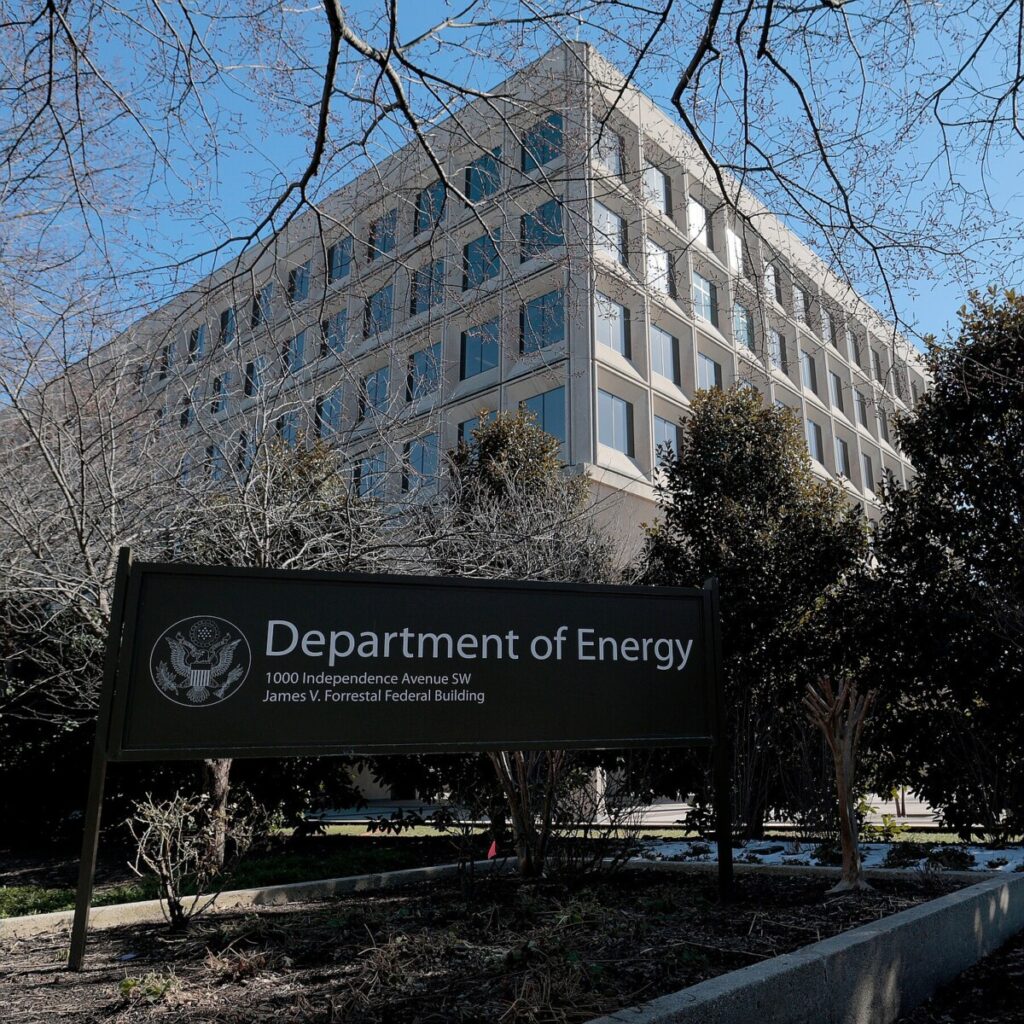
Energy Department Reorganization Reflects Shift Away From Renewable Energy
In a significant organizational shift, the U.S. Department of Energy (DOE) has removed the Office of Energy Efficiency and Renewable Energy (EERE) and the Office of Clean Energy Demonstrations from its official organizational chart, as revealed in a recent update on Tuesday. This restructuring comes amid ongoing discussions about the future of energy policy in the United States, particularly as the government seeks to balance traditional energy sources with the growing demand for renewable energy solutions. The EERE has long been pivotal in promoting energy efficiency and advancing renewable technologies, while the Office of Clean Energy Demonstrations has focused on deploying innovative clean energy projects. Their removal from the organizational hierarchy raises questions about the future direction of energy initiatives and funding priorities within the DOE.
The decision to eliminate these offices from the organizational chart could signal a broader shift in the DOE’s strategy regarding energy efficiency and renewable energy. This change may reflect a consolidation of efforts or a realignment of priorities as the department prepares to tackle new challenges in the energy sector. For instance, the Biden administration has emphasized the importance of addressing climate change and transitioning to a clean energy economy, which raises concerns about how these changes might impact ongoing projects and funding for renewable energy initiatives. Stakeholders in the energy sector are closely monitoring this development, as both offices have historically played crucial roles in advancing technology, research, and policy that support sustainable energy practices.
The implications of this organizational change are significant, especially considering the urgent need for innovative solutions to combat climate change and enhance energy efficiency across various sectors. As the U.S. aims to meet ambitious climate goals, including achieving net-zero emissions by 2050, the roles that EERE and the Office of Clean Energy Demonstrations have played in facilitating research, development, and deployment of clean technologies will be critical. The future of energy policy in the U.S. remains uncertain, and it will be essential for the DOE to clarify its strategy moving forward, ensuring that the momentum toward a more sustainable energy landscape continues. As experts and advocates await further details, the energy community remains hopeful that this organizational shift will not hinder progress in the transition to renewable energy sources.
The Office of Energy Efficiency and Renewable Energy and the Office of Clean Energy Demonstrations no longer appear in an organizational chart posted by the Energy Department on Tuesday.


