Greenpeace Faces an Unusual New Legal Attack From a Pipeline Giant
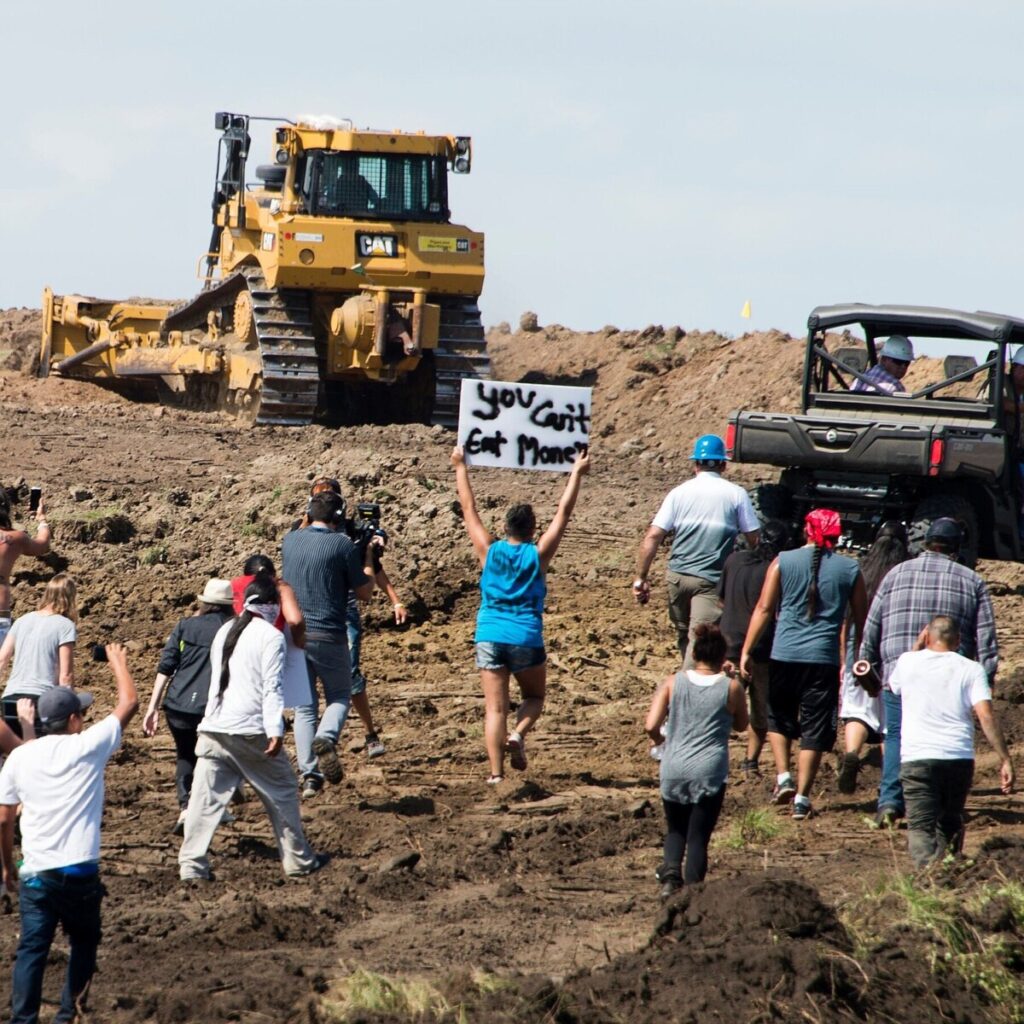
In September 2016, the Dakota Access Pipeline (DAPL) became the center of a significant environmental and social protest near Cannonball, North Dakota. The project, which aimed to transport crude oil from the Bakken shale fields in North Dakota to Illinois, faced fierce opposition from Indigenous groups, environmental activists, and concerned citizens. Protesters, primarily from the Standing Rock Sioux Tribe, argued that the pipeline posed a threat to their water supply and sacred lands. The demonstrations garnered widespread media attention, highlighting issues of Indigenous rights, environmental justice, and corporate accountability. Activists camped at the Standing Rock Reservation for months, leading to a series of confrontations with law enforcement and private security forces, which were often violent and controversial.
Fast forward to earlier this year, a significant legal development emerged when a court found Greenpeace liable for its involvement in the protests against the Dakota Access Pipeline. The ruling stemmed from a lawsuit filed by Energy Transfer Partners, the company behind the pipeline, claiming that Greenpeace’s actions constituted a form of economic sabotage. This decision has sparked a broader conversation about the implications of such legal rulings on environmental activism and the rights of organizations to protest against corporate projects. Critics argue that holding Greenpeace accountable in this manner could set a dangerous precedent, potentially stifling free speech and discouraging future activism aimed at protecting the environment and Indigenous rights. As the legal landscape surrounding environmental protests continues to evolve, the fallout from the Dakota Access Pipeline protests remains a critical case study in the ongoing struggle between corporate interests and grassroots activism.
The Dakota Access Pipeline protests not only highlighted the urgent need for sustainable energy practices but also underscored the resilience of Indigenous communities in their fight for sovereignty and environmental justice. As the legal ramifications of the protests unfold, they reveal the complexities of balancing economic development with the rights of marginalized communities and the health of the planet. The case serves as a reminder of the power of collective action and the ongoing need for vigilance in the face of corporate encroachment on sacred lands and natural resources.
Protesting the Dakota Access Pipeline project near Cannonball, N.D., in September 2016. Earlier this year a court found Greenpeace liable for its role in demonstrations there.


