As the World Pursues Clean Power, Millions Still Have No Power at All
In the heart of the Amazon region, just outside Belém, Brazil, a striking contrast emerges between the discussions of climate change and the reality of everyday life. While global leaders and environmentalists gather in Belém to address pressing climate issues, many residents in nearby communities are only recently gaining access to electricity. This stark disparity highlights the challenges faced by rural areas in the Amazon, where infrastructure development has lagged significantly behind urban centers. The arrival of electricity signifies not just a technological advancement but also a potential shift in the quality of life for these communities, enabling access to education, healthcare, and economic opportunities that were previously out of reach.
The situation in these Amazonian communities underscores broader themes of inequality and environmental justice, especially as the world grapples with the impacts of climate change. For instance, many of these areas are rich in biodiversity and resources, yet they remain underdeveloped and vulnerable to the effects of deforestation and climate-related disasters. The discussions in Belém aim to address these issues by promoting sustainable development and conservation efforts, but the reality on the ground reveals a complex interplay between environmental preservation and the need for basic services. As electricity becomes available, it opens up new avenues for sustainable practices, such as solar energy initiatives, which can empower local residents while also contributing to global climate goals.
Moreover, the juxtaposition of high-level climate negotiations with the everyday struggles of Amazonian communities serves as a poignant reminder of the human element often lost in policy discussions. Initiatives to bring electricity to these areas are not just about energy access; they are about elevating voices and ensuring that local populations are included in the narrative of climate action. As the world turns its attention to the Amazon during this critical climate summit, it is essential to recognize the interconnectedness of environmental stewardship and social equity, ensuring that the benefits of progress reach those who need it most. By fostering a dialogue that includes local perspectives, the global community can work towards solutions that are both effective in combating climate change and equitable for all.
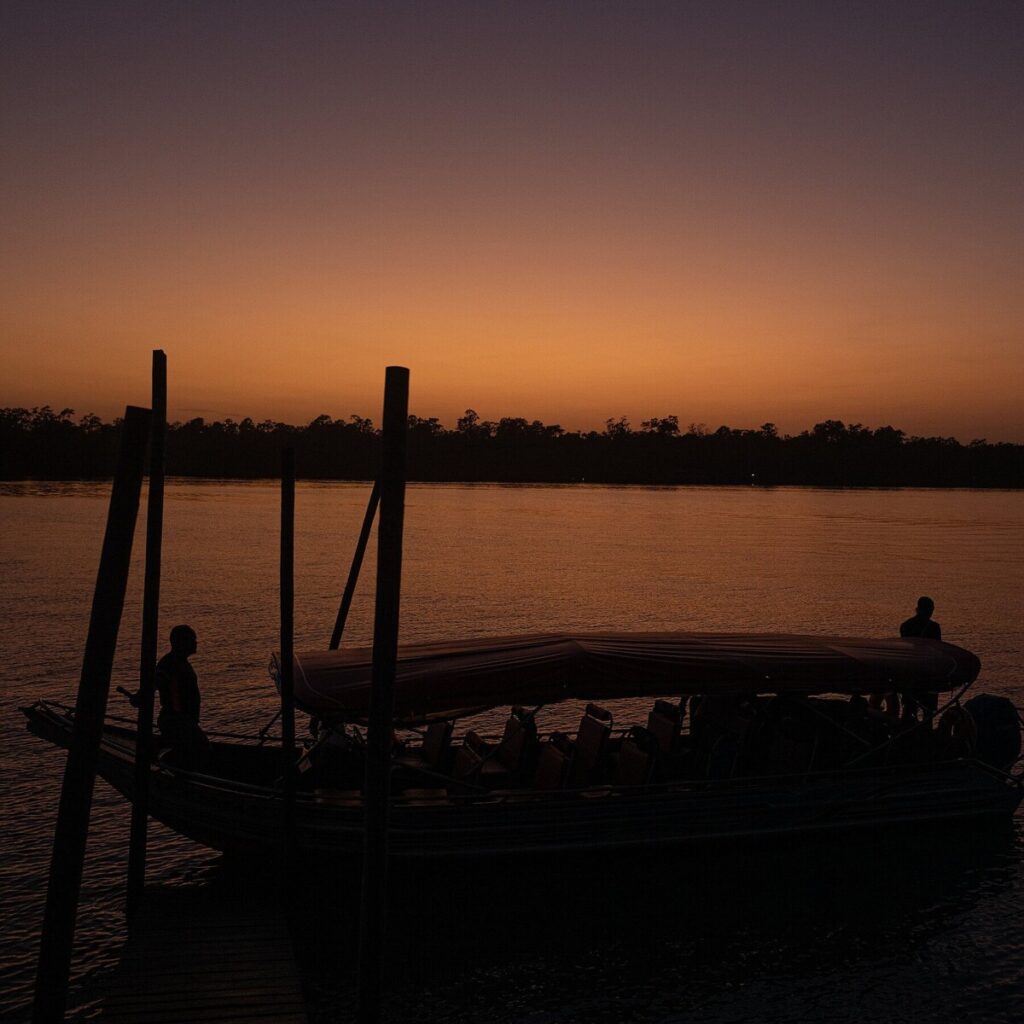
Just outside Belém, the Amazonian city where the world is meeting to discuss climate change, electricity is a very recent arrival.


