Home Prices on a Warming Planet
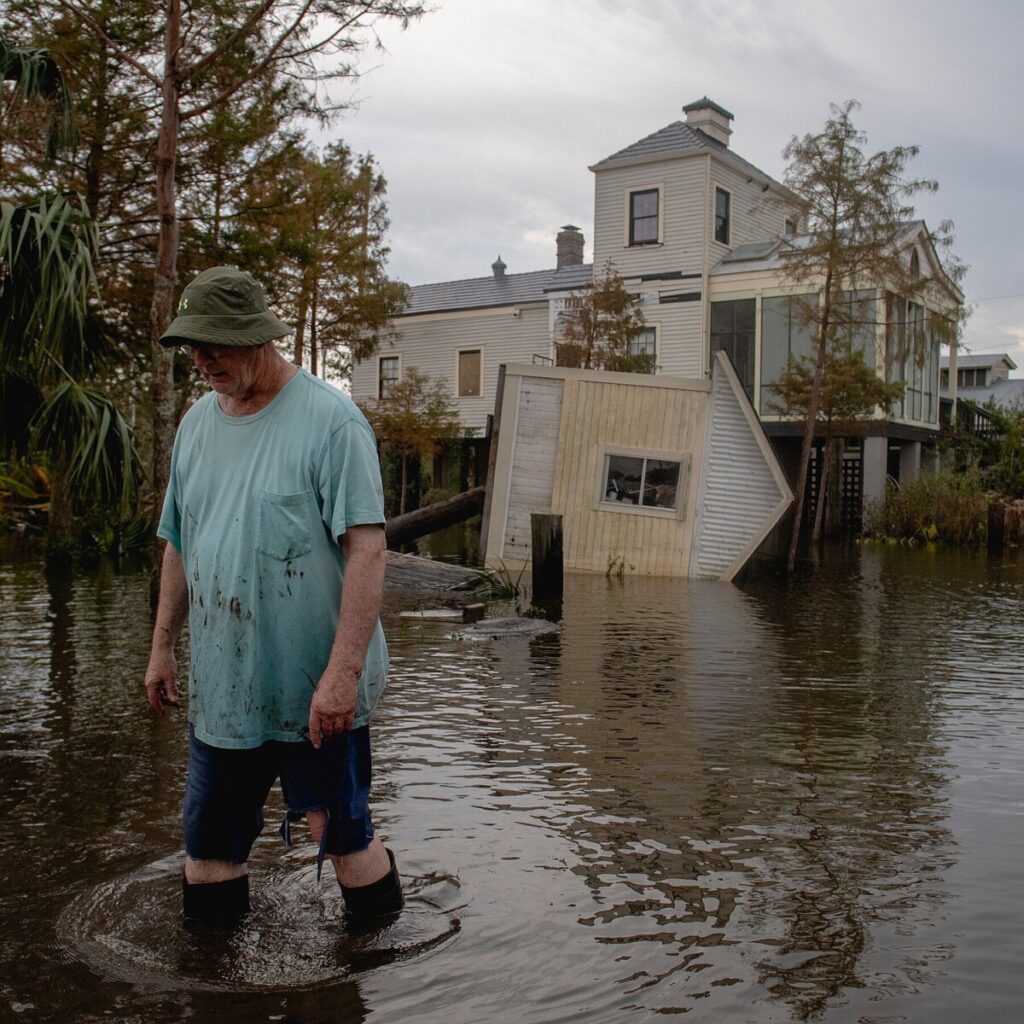
In the wake of climate change, areas prone to natural disasters—such as hurricanes, wildfires, and hail—are experiencing significant increases in insurance premiums, particularly evident in places like Lafitte, Louisiana, which faced devastating flooding after Hurricane Ida in 2021. As extreme weather events become more frequent and severe, insurers are reassessing the risks associated with these vulnerable regions. The aftermath of Hurricane Ida, which caused catastrophic damage and displacement, serves as a stark reminder of the urgent need for comprehensive risk management strategies. Homeowners in Lafitte and similar locales are now grappling with the financial implications of these changes, as rising premiums can make insurance unaffordable for many.
The trend of escalating insurance costs is particularly pronounced in areas that have historically been seen as high-risk due to their susceptibility to climate-related disasters. According to recent analyses, insurance companies are increasingly adjusting their models to reflect the reality of climate change, leading to steep premium hikes for homeowners in affected regions. For instance, Lafitte’s residents have witnessed their insurance rates soar, forcing some to reconsider their ability to maintain coverage. This situation is not isolated; similar patterns are emerging across the Gulf Coast and other disaster-prone areas, where the combination of increased storm intensity and rising sea levels has prompted insurers to reevaluate their exposure and pricing strategies.
As communities continue to recover from past disasters and brace for future threats, the challenge of securing affordable insurance becomes more pressing. Policymakers and local leaders are urged to explore innovative solutions, such as state-backed insurance programs or incentives for resilient building practices, to help mitigate the financial burden on homeowners. The ongoing dialogue surrounding climate resilience and insurance affordability is crucial, as it directly impacts the ability of communities to rebuild and thrive in an era marked by environmental uncertainty. The situation in Lafitte exemplifies a broader trend that underscores the need for proactive measures to adapt to the realities of a changing climate, ensuring that vulnerable populations are not left behind as they navigate the complexities of disaster recovery and resilience planning.
Flooding in Lafitte, La., after Hurricane Ida in 2021. Places that are most vulnerable to climate-related disasters like hurricanes, fires and hail are seeing some of the largest premium increases.


