The Autism Diagnosis Problem
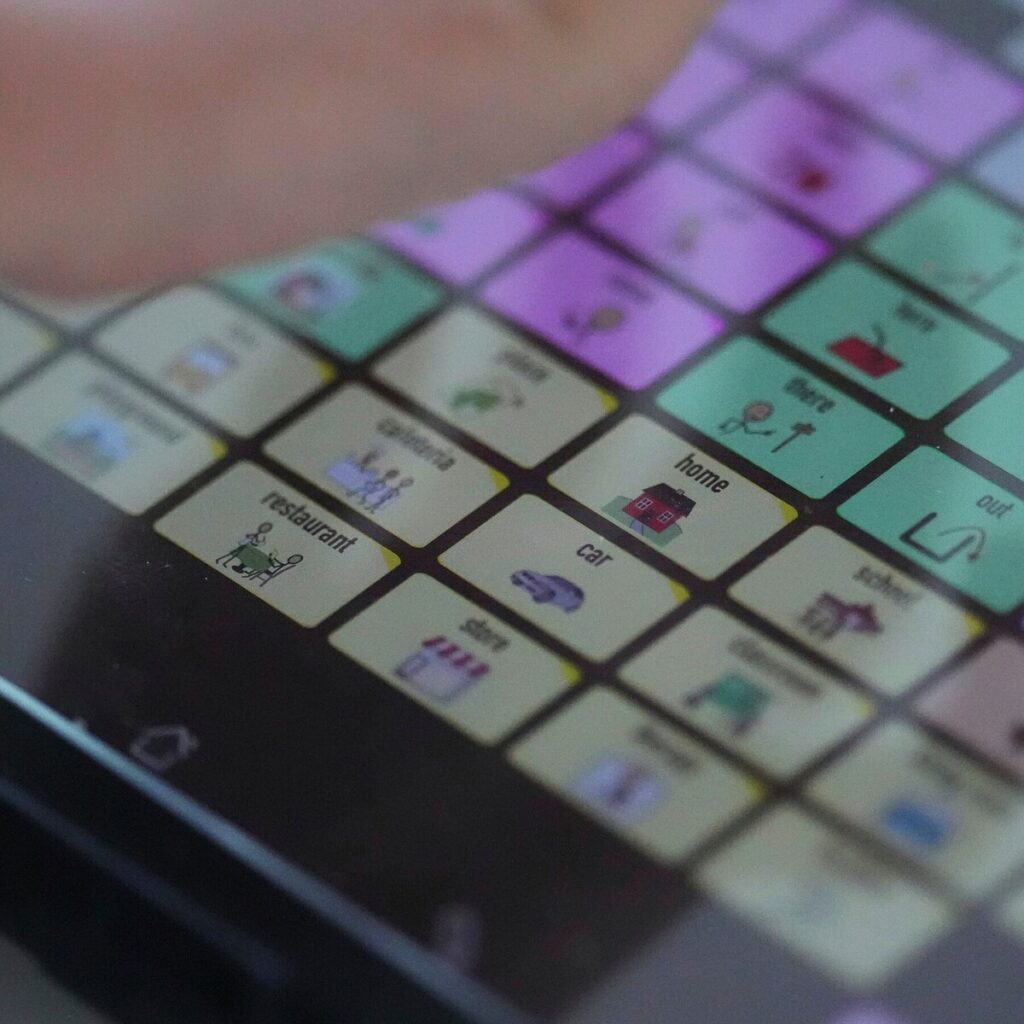
In a groundbreaking example of communication innovation, a nonverbal individual diagnosed with autism has successfully utilized a digital Augmentative and Alternative Communication (AAC) device to express thoughts and feelings, showcasing the transformative power of technology in enhancing the lives of those with communication challenges. AAC devices, which can range from simple picture boards to sophisticated speech-generating software, are designed to aid individuals who struggle with verbal communication. This particular case highlights not only the effectiveness of such technology but also the profound impact it can have on personal relationships and social interactions.
The individual, who has faced significant barriers in expressing themselves verbally, found newfound freedom and connection through their AAC device. By selecting symbols and text on the screen, they can convey complex ideas and emotions that were previously trapped within. This breakthrough has allowed them to engage more meaningfully with family, friends, and caregivers, fostering deeper relationships and a greater sense of belonging. For example, the ability to communicate preferences, emotions, and even humor has significantly enriched their interactions, demonstrating that effective communication is not solely reliant on spoken language. This case serves as a powerful reminder of the potential within each individual, regardless of their communication abilities, and underscores the importance of providing access to the necessary tools that facilitate expression.
Moreover, this story sheds light on the broader implications of AAC technology in the autism community. As awareness grows around the diverse communication needs of individuals on the autism spectrum, the demand for accessible and effective AAC solutions continues to rise. Families and caregivers are increasingly recognizing the importance of early intervention and the integration of technology in communication strategies. This case not only exemplifies the success of AAC devices but also calls attention to the necessity for continued support and resources for individuals with autism, ensuring that they can thrive in a world that often overlooks their unique voices. By investing in such technologies and fostering inclusive environments, society can help bridge the communication gap and empower those who navigate the world with nonverbal communication.
https://www.youtube.com/watch?v=eSwJmsHGrns
A nonverbal person diagnosed with autism using a digital Augmentative and Alternative Communication device to communicate.


