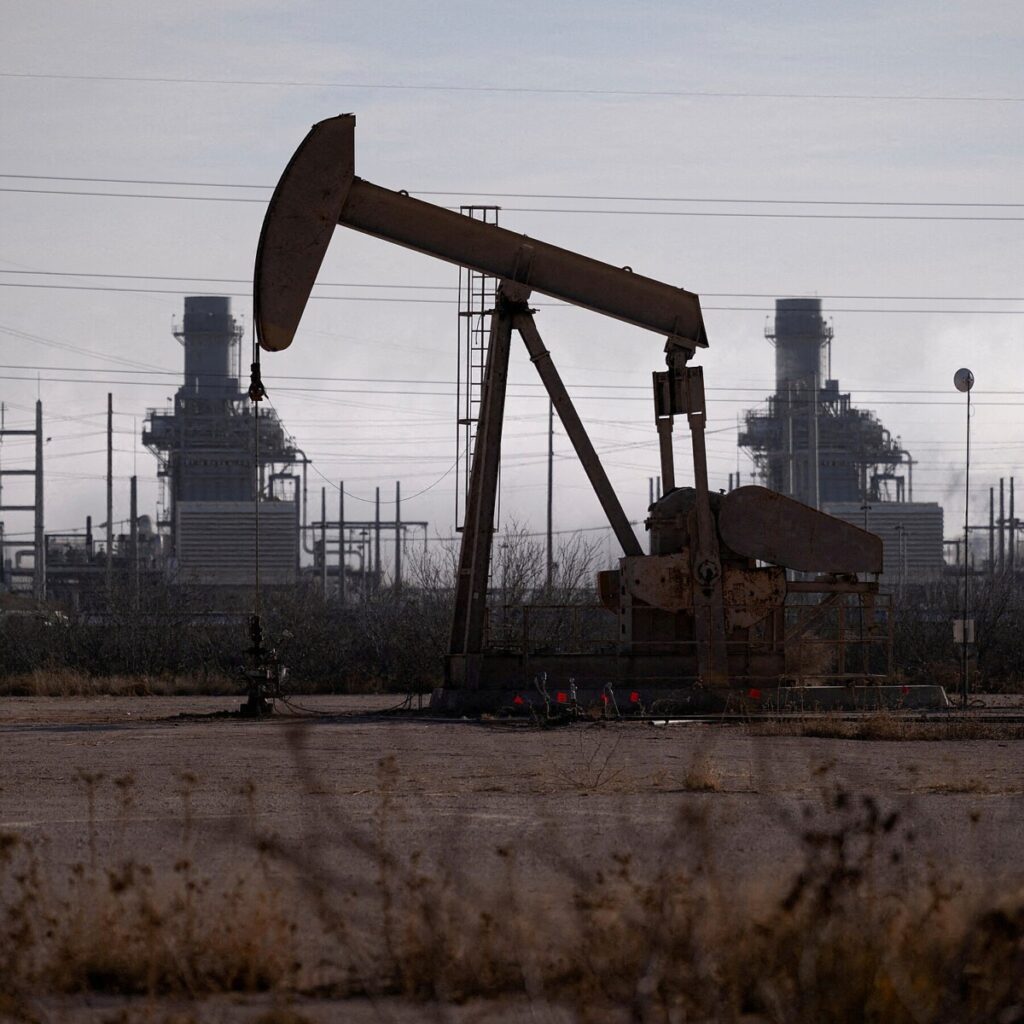
Trump Vowed Fewer Regulations and Lots More Oil. He’s Delivered on One.
Since President Trump assumed office in January 2017, the U.S. has witnessed a significant increase in oil production, a trend attributed largely to advancements in technology and efficiency rather than a direct correlation to job creation within the industry or the broader economy. The rise in production has been marked by innovations in drilling techniques, such as hydraulic fracturing and horizontal drilling, which have allowed oil companies to extract resources more efficiently from existing wells and previously inaccessible reserves. As a result, the United States has emerged as one of the top oil producers globally, significantly impacting the energy landscape and contributing to lower oil prices.
Despite this surge in production, the anticipated job growth that often accompanies such increases has not materialized. Industry experts have noted that the focus on efficiency has led to a leaner workforce, with companies prioritizing automation and advanced technologies over hiring. For instance, the oil and gas sector has seen a shift toward fewer, more skilled positions that require specialized training, leaving many traditional roles obsolete. This trend has raised concerns about the long-term sustainability of jobs in the sector, especially in regions heavily reliant on oil and gas employment. Additionally, the overall economy has not experienced the expected boost from the oil boom, as the benefits have not trickled down to workers or local communities.
The implications of this scenario are multifaceted. While increased oil production contributes to national energy independence and can lead to lower energy costs for consumers, the lack of job growth poses challenges for economic stability, particularly in states heavily dependent on oil revenues. As the industry continues to evolve, there is a pressing need for policymakers to address the skills gap and support workforce development initiatives to ensure that workers can transition into new roles that emerge from the changing landscape. Ultimately, while the rise in oil production under President Trump underscores the potential of U.S. energy resources, it also highlights the complexities of an evolving industry that must balance efficiency with job creation and economic growth.
https://www.youtube.com/watch?v=iZ4bTbnQ_TU
Since President Trump took office, oil production is up, but largely because of improved efficiency, and it has not translated into more jobs for either the industry or the overall economy.


