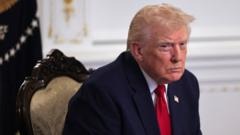
US halts all asylum claim decisions after National Guard shooting
In a significant move that has stirred controversy, a new directive has been issued shortly after former President Donald Trump made headlines by announcing that the United States would pause migration from what he referred to as “third-world countries.” This statement, which echoes Trump’s previous hardline immigration policies, has reignited debates about the criteria for immigration and the broader implications for U.S. foreign relations. The directive seems to align with Trump’s ongoing narrative that emphasizes national security and economic stability, suggesting that the administration is looking to tighten immigration controls amidst growing concerns over the potential influx of migrants from countries facing economic and political turmoil.
Critics of the directive argue that such a pause could exacerbate humanitarian crises and undermine the United States’ long-standing role as a refuge for those fleeing hardship. They point to the fact that many individuals from so-called “third-world countries” are seeking asylum due to violence, persecution, and poverty. For example, migrants from Central America have been fleeing gang violence and political instability, while those from regions like Africa and the Middle East often escape war and oppression. The directive raises questions about how the U.S. will balance its immigration policies with its moral obligations to protect vulnerable populations. Furthermore, it highlights a growing divide in American society regarding immigration, with some advocating for a more compassionate approach while others support stricter controls.
As the situation evolves, it remains to be seen how this directive will be implemented and what impact it will have on both current and prospective migrants. The timing of Trump’s announcement, coupled with the directive, suggests a strategic effort to rally support among his base by framing immigration as a critical issue ahead of upcoming elections. This development not only reflects the ongoing tensions surrounding immigration policy in the United States but also serves as a reminder of the complex interplay between domestic policy and international humanitarian responsibilities. With the potential for legal challenges and pushback from advocacy groups, the coming weeks will be crucial in determining the future landscape of U.S. immigration policy.
https://www.youtube.com/watch?v=GOE8SBIvjV8
The directive comes hours after Donald Trump said the US will pause migration from “third-world countries”.