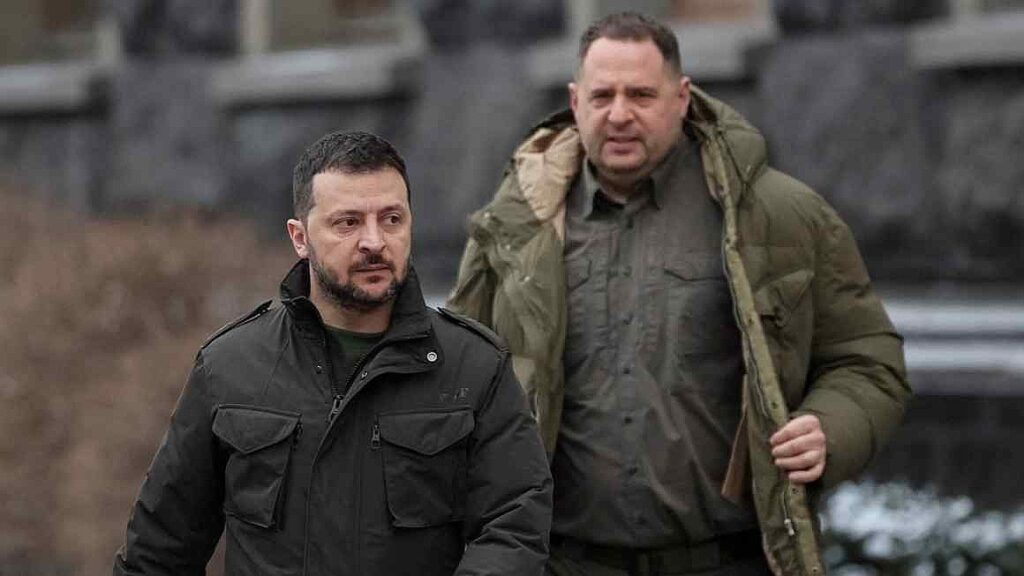
Zelenskyy loses brother-in-arms in Kyiv power shift
In a significant shift in Ukraine’s political landscape, a departing aide to President Volodymyr Zelensky has been credited with centralizing decision-making processes within the government, a move that has drawn both praise and criticism. This aide, whose identity has not been disclosed, implemented a framework that consolidated authority and streamlined operations, marking a departure from the more decentralized approaches that characterized Ukraine’s political environment prior to his tenure. The aide’s strategy was particularly evident in the context of Ukraine’s ongoing challenges, including the Russian invasion, which has necessitated rapid and cohesive decision-making to respond effectively to evolving threats.
Under this centralized model, key decisions regarding military strategy, economic reforms, and international relations were funneled through a narrower circle of advisors, allowing for quicker responses to pressing issues. For example, in the wake of increasing military aggression from Russia, the aide played a pivotal role in coordinating defense strategies and securing international support, illustrating how a more centralized approach can facilitate urgent action. However, this shift has also raised concerns about the potential for reduced transparency and accountability, as critics argue that such concentration of power could lead to a lack of diverse perspectives in governance.
As the aide prepares to exit, the implications of this centralized decision-making structure are being closely scrutinized. Supporters argue that it has enabled a more agile government capable of navigating the complexities of war and diplomacy, while detractors warn of the risks associated with diminished checks and balances. The future of Ukraine’s governance will likely hinge on how the next administration balances the need for decisive leadership with the principles of democratic engagement and inclusivity, ensuring that the voices of various stakeholders are heard even in times of crisis.
President’s departing aide centralised decision-making in a way no other official had done in Ukraine