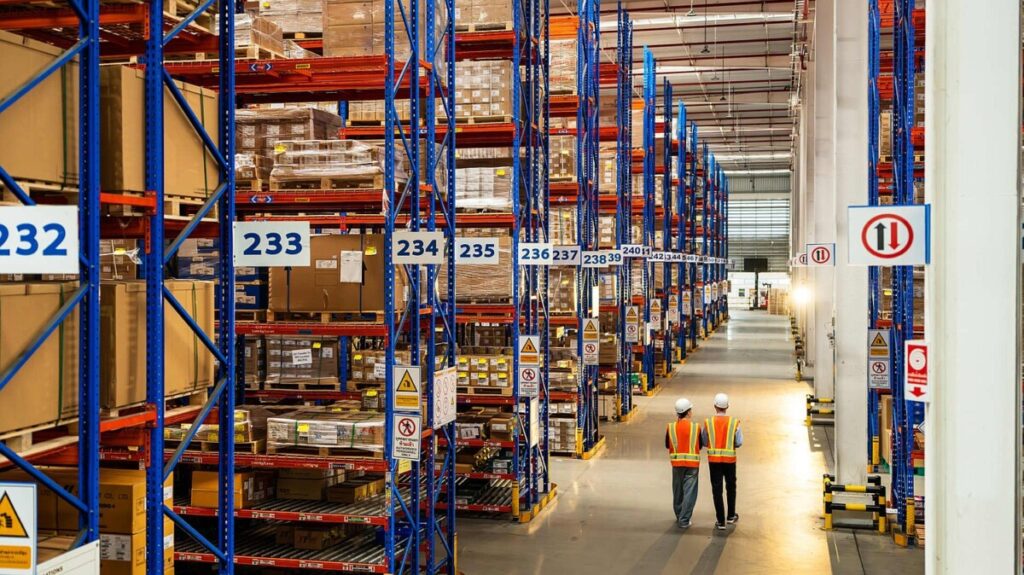
The warehouse real estate sector is seeing a rebalance. Here’s what to watch for
The warehouse real estate market, which experienced significant fluctuations due to the pandemic, is now showing signs of stabilization as supply and demand begin to align. During the height of the COVID-19 pandemic, e-commerce surged dramatically, leading to an unprecedented demand for warehouse space. Companies scrambled to expand their logistics capabilities to meet the needs of consumers who turned to online shopping. This resulted in a rapid increase in warehouse construction, with developers racing to deliver new facilities to accommodate the booming demand. However, as the pandemic waned and shopping habits began to normalize, the market faced a subsequent pullback, leading to an oversupply of warehouse space in certain areas.
Recent reports indicate that the warehouse real estate market is now entering a phase of equilibrium. According to industry analysts, vacancy rates, which had spiked due to the oversupply, are beginning to decrease as companies reassess their logistics needs and optimize their supply chains. For instance, major retailers are not only focusing on expanding their distribution networks but are also investing in technology and automation to enhance efficiency within existing facilities. This strategic shift is contributing to a more balanced market, as demand stabilizes and the excess inventory of warehouses is gradually absorbed. Additionally, the trend towards nearshoring—relocating production and supply chains closer to home—further fuels the need for warehouse space, particularly in regions that can support quick distribution to urban centers.
As the warehouse real estate landscape evolves, investors and developers are adapting to new market dynamics. The focus is shifting towards sustainability and technology integration, with many new projects emphasizing energy efficiency and smart logistics solutions. This transformation reflects a broader trend within the industry, where companies are increasingly conscious of environmental impacts and operational costs. The stabilization of the warehouse market not only signals a return to normalcy but also paves the way for innovative practices that can enhance long-term viability. As we move forward, stakeholders in the warehouse real estate sector must remain agile, ready to respond to changing consumer behaviors and economic conditions, ensuring that they can meet future demands effectively.
After a pandemic-driven surge and subsequent pullback, warehouse real estate supply and demand is finally starting to come into balance.