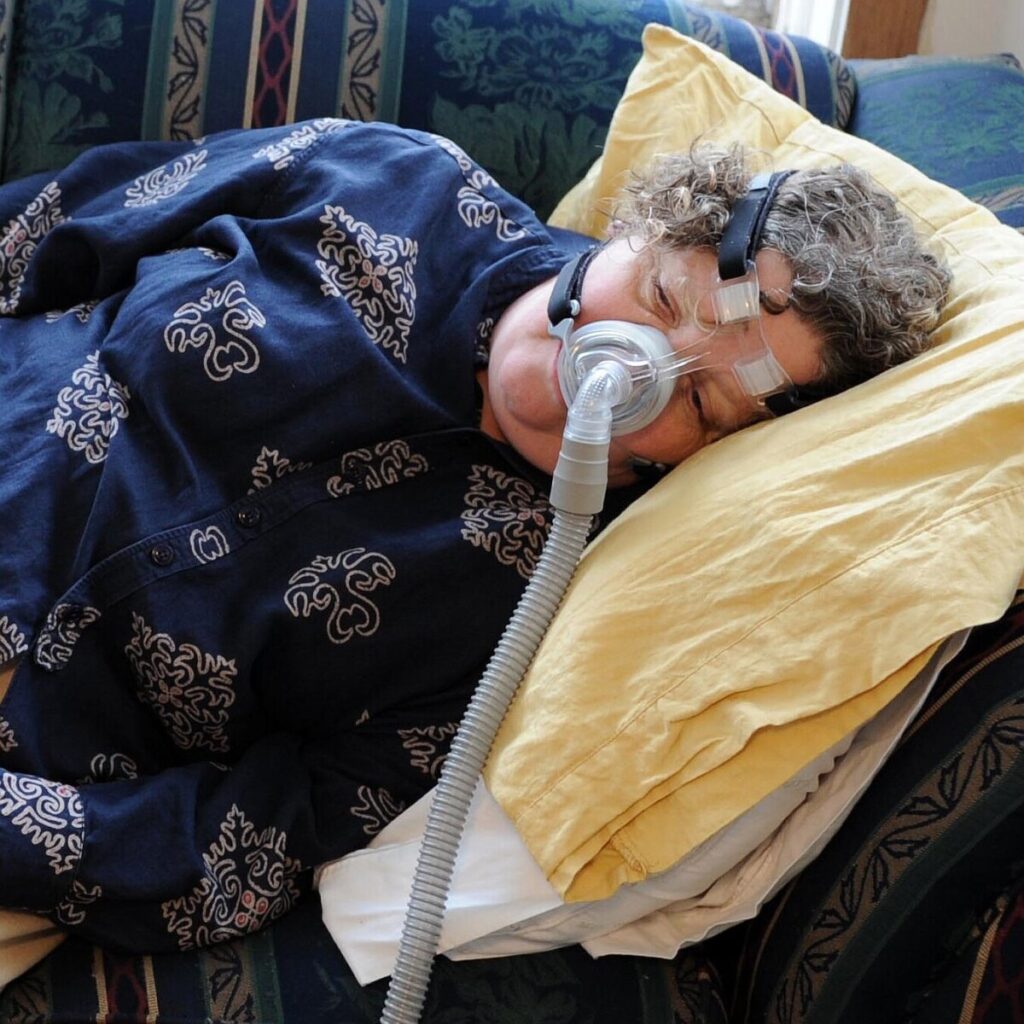
Sleep Apnea Linked to Parkinson’s Disease, New Study Finds
Recent research has unveiled a significant link between sleep disorders and an increased risk of developing Parkinson’s disease, a progressive neurological disorder that affects movement and coordination. Individuals suffering from sleep conditions, particularly REM sleep behavior disorder (RBD), were found to have a higher likelihood of being diagnosed with Parkinson’s later in life. RBD is characterized by abnormal behaviors during the REM stage of sleep, where individuals may act out their dreams, leading to potential injury for themselves or their partners. This connection underscores the importance of understanding sleep health as a crucial component in the early identification and management of neurodegenerative diseases.
Interestingly, the study also highlighted a potential treatment that may mitigate this risk. Researchers discovered that certain medications, specifically clonazepam, which is commonly prescribed for RBD, showed promise in reducing the likelihood of developing Parkinson’s in those already diagnosed with sleep disorders. This finding is particularly noteworthy as it suggests that addressing sleep issues not only improves quality of life but may also serve as a preventive measure against the onset of Parkinson’s disease. By focusing on sleep health, healthcare providers can take a proactive approach to managing the risks associated with neurodegenerative conditions, ultimately leading to better outcomes for patients.
These insights are particularly relevant given the increasing prevalence of Parkinson’s disease, which currently affects millions worldwide. With an aging population and no known cure, understanding the risk factors and potential preventive measures is vital. As research continues to evolve, the emphasis on the interplay between sleep and neurological health may open new avenues for treatment and prevention, making it essential for both patients and healthcare professionals to prioritize sleep hygiene and seek appropriate interventions for sleep disorders.
Those with the sleep condition were more likely to develop Parkinson’s disease. But one treatment was found to help.


