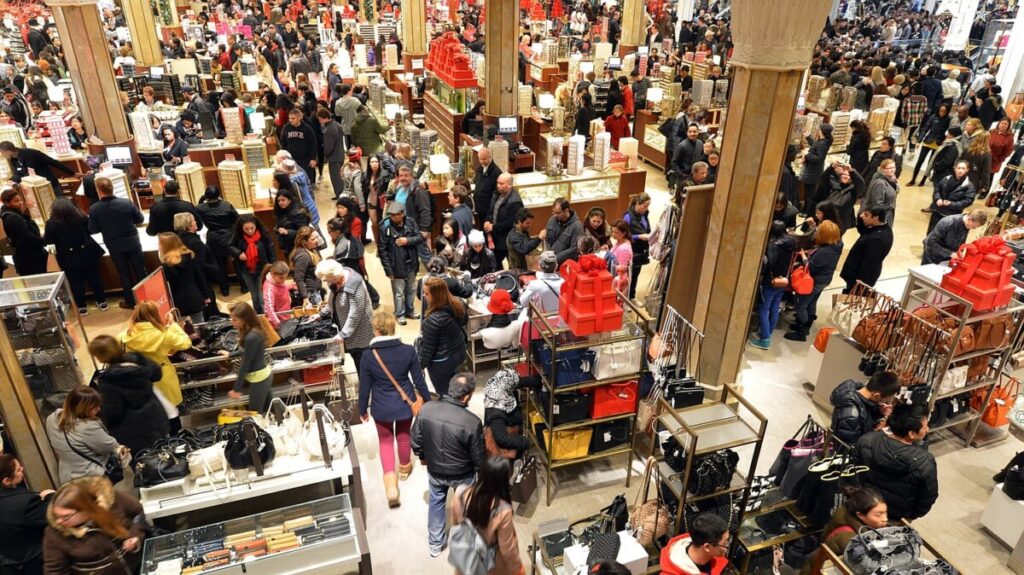
How Black Friday became a retail letdown: ‘To sustain the ride, they started to dilute it’
Black Friday, traditionally heralded as the pinnacle of in-person shopping, has undergone a significant transformation over the past six years, with online sales consistently outpacing physical store transactions. This shift reflects a broader trend in consumer behavior, driven by the convenience and accessibility of online shopping platforms. According to recent reports, e-commerce sales during the Black Friday weekend have surged, with online retailers capitalizing on the growing preference for digital shopping experiences. For instance, in 2022, online sales reached an impressive $9.12 billion on Black Friday alone, marking a 2.3% increase from the previous year. This growth illustrates how consumers are increasingly opting to shop from the comfort of their homes rather than navigating crowded stores.
Several factors contribute to this ongoing trend. The COVID-19 pandemic accelerated the adoption of online shopping, as many consumers became accustomed to the ease of purchasing goods with just a few clicks. Retailers have also adapted by enhancing their online offerings, with many providing exclusive online deals and promotions that entice shoppers to skip the in-store experience altogether. For example, major retailers like Amazon, Walmart, and Target have invested heavily in their e-commerce platforms, offering extensive discounts and fast shipping options that appeal to a digital-savvy audience. Furthermore, the rise of mobile shopping apps has made it even easier for consumers to browse, compare prices, and make purchases on-the-go, further solidifying the dominance of online sales during the holiday shopping season.
As the landscape of Black Friday continues to evolve, retailers are increasingly focusing their marketing strategies on digital channels to capture the attention of consumers. This shift not only reshapes how businesses approach sales but also highlights the importance of a robust online presence in today’s retail environment. While in-person shopping will always hold a certain charm, the data clearly indicates that online sales are here to stay, making it essential for retailers to adapt to this new reality. As we look ahead to future Black Fridays, it will be fascinating to see how this trend continues to shape the shopping habits of consumers and the strategies employed by retailers.
Black Friday used to be the biggest in-person shopping event of the year, but for six straight years, online sales have outpaced stores.