Home Prices on a Warming Planet
In the wake of increasingly severe climate-related disasters, communities across the United States, especially those like Lafitte, Louisiana, which experienced devastating flooding after Hurricane Ida in 2021, are facing significant increases in insurance premiums. These areas, often characterized by their vulnerability to hurricanes, wildfires, and other natural calamities, are seeing a sharp rise in costs as insurance companies reassess risk levels in light of changing climate patterns. The financial burden of higher premiums is becoming a pressing concern for homeowners and businesses, many of whom are already grappling with the aftermath of recent disasters.
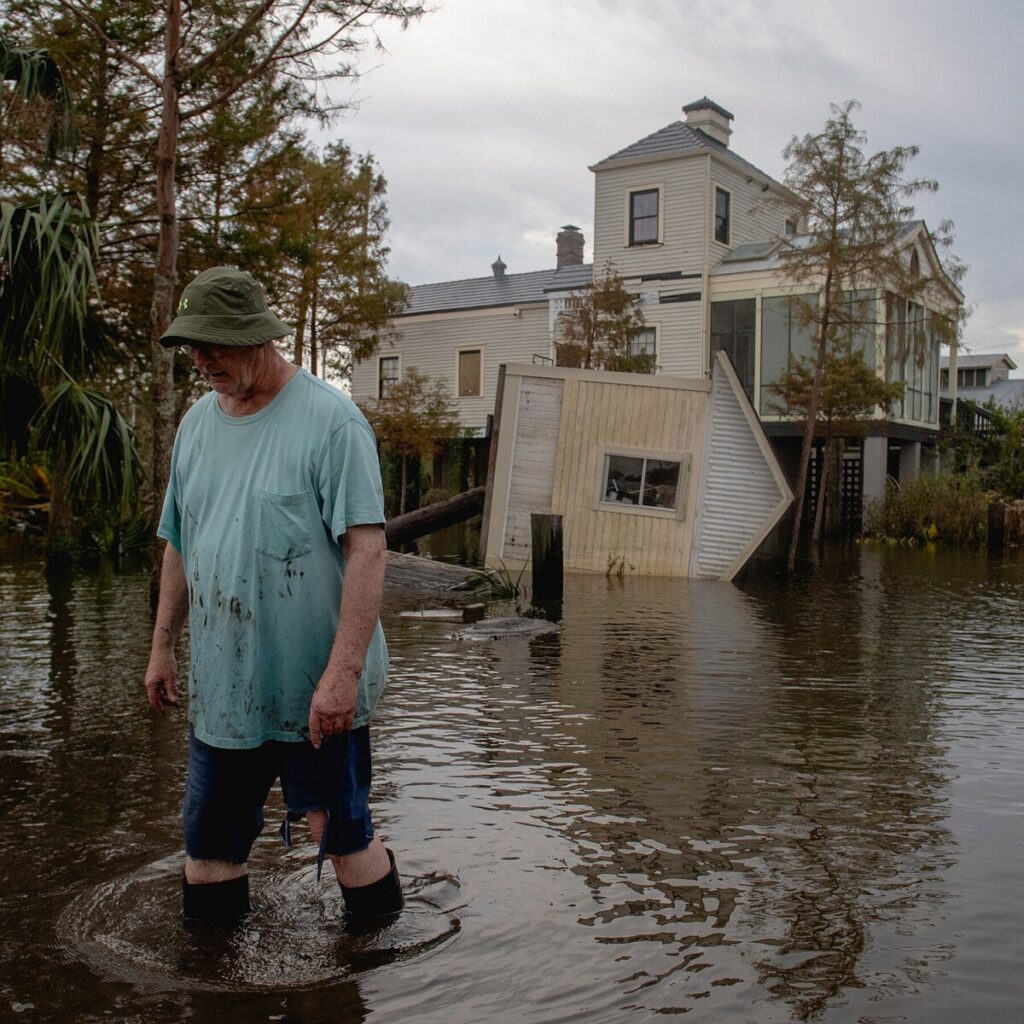
For instance, Lafitte, which suffered extensive damage from Hurricane Ida, serves as a microcosm of the broader trend impacting coastal and disaster-prone regions. The National Oceanic and Atmospheric Administration (NOAA) has reported a marked increase in the frequency and intensity of hurricanes over the past few decades, prompting insurers to adjust their pricing structures to reflect the heightened risk. As a result, residents in areas like Lafitte are not only facing the physical and emotional toll of climate disasters but are also contending with the financial implications of skyrocketing insurance costs. This situation is further exacerbated by the fact that many insurance companies are pulling out of high-risk markets altogether, leaving homeowners with fewer options and potentially leading to a crisis in affordable coverage.
Moreover, this trend is not isolated to Louisiana; states such as California, which are prone to wildfires, and those in the Midwest, facing increased hail storms, are also witnessing similar patterns in insurance premium hikes. According to industry experts, the average homeowner’s insurance premium has increased significantly over the past few years, with some regions experiencing jumps of 20% or more. This shift raises critical questions about the sustainability of insurance in high-risk areas and the long-term viability of communities that are already struggling to adapt to the realities of climate change. As the impacts of climate change continue to unfold, it is clear that both policymakers and residents must engage in proactive measures to address these challenges, ensuring that vulnerable communities are not left behind in the face of escalating natural disasters and financial pressures.
Flooding in Lafitte, La., after Hurricane Ida in 2021. Places that are most vulnerable to climate-related disasters like hurricanes, fires and hail are seeing some of the largest premium increases.


