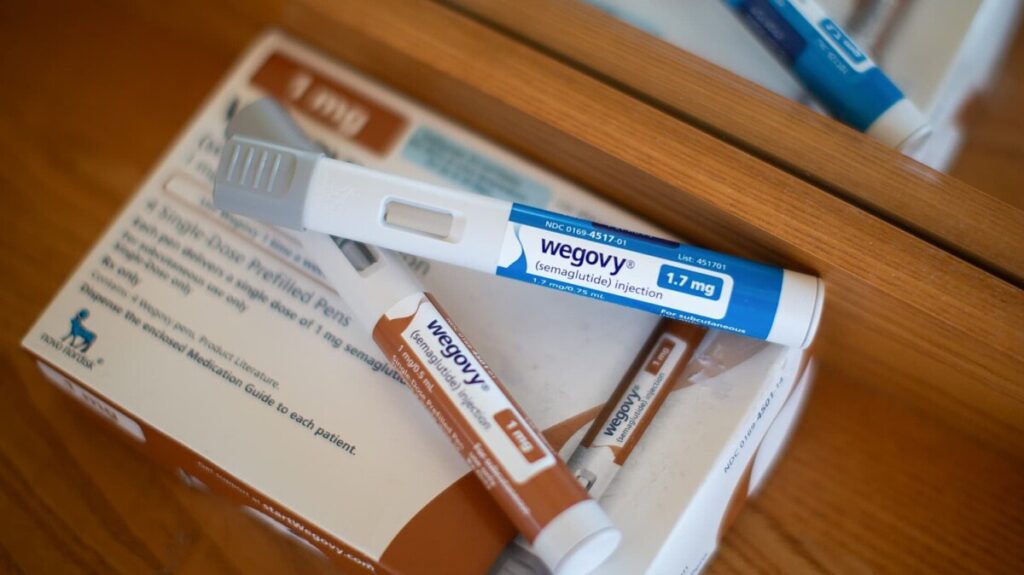
Why Medicare price negotiations matter for Novo Nordisk, AstraZeneca, and other European pharma companies
Pharmaceutical companies are currently navigating a complex landscape of pricing pressures, significantly influenced by recent developments in U.S. Medicare negotiations. The Biden administration has implemented a new framework that empowers Medicare to negotiate directly with drug manufacturers over the prices of certain high-cost medications. This landmark shift aims to lower prescription drug costs for millions of Americans, particularly seniors who often rely on Medicare for their healthcare needs. By focusing on high-priced drugs that lack competition, the government seeks to address the soaring costs that have burdened patients and taxpayers alike.
For instance, the first ten drugs selected for negotiation include popular treatments for conditions such as diabetes and heart disease, which have historically been priced out of reach for many patients. The implications of these negotiations are profound; pharmaceutical companies are now compelled to reconsider their pricing strategies in light of potential revenue losses. Analysts predict that the changes could lead to a significant reshaping of the pharmaceutical market, as companies may need to balance their profit margins with the need to remain competitive and accessible to consumers. This pressure is not only coming from government initiatives but also from public sentiment, as patients increasingly demand more affordable options for life-saving medications.
Moreover, the pricing pressure is compounded by ongoing scrutiny from lawmakers and advocacy groups who are calling for greater transparency in drug pricing. Many stakeholders argue that the current pricing models are unsustainable, leading to calls for reforms that could further disrupt traditional pharmaceutical business practices. As companies respond to this evolving environment, they may need to invest in innovative solutions, such as value-based pricing models, which tie drug costs to patient outcomes. In conclusion, the pharmaceutical industry is at a critical juncture, facing unprecedented challenges that require a reevaluation of pricing strategies to ensure both sustainability and accessibility in the healthcare landscape.
Pharma companies are facing pricing pressure from several directions, including from the U.S. Medicare negotiations