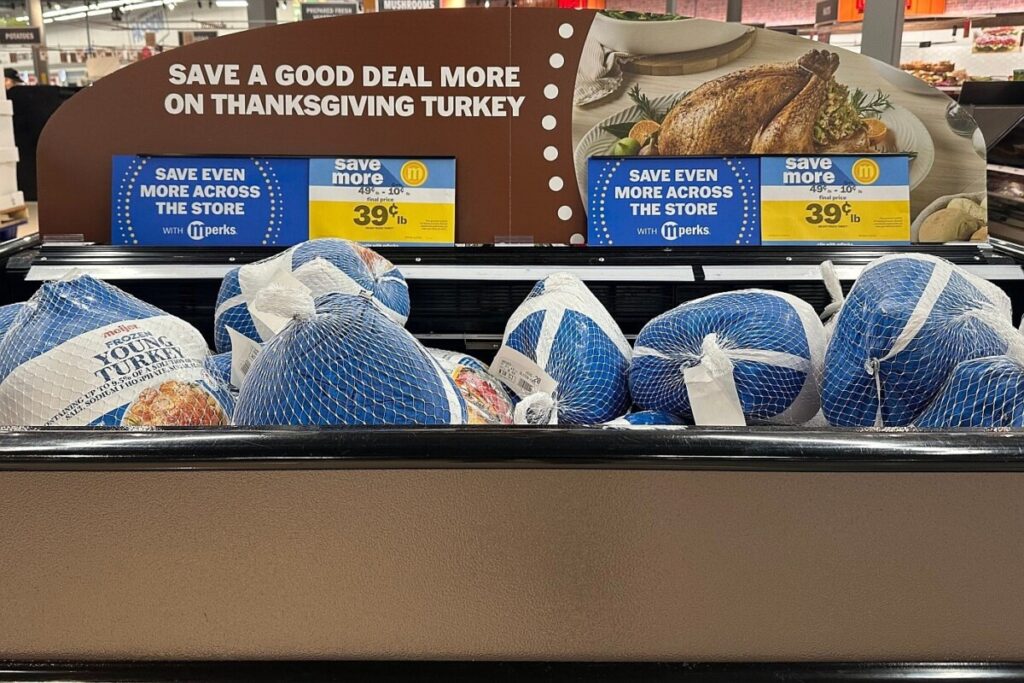
Editorial: A cheaper Thanksgiving, but no one’s feeling rich
As Thanksgiving approaches, many families are finalizing their plans for the holiday, whether it involves traveling to be with loved ones or hosting a festive gathering. According to AAA, this year is set to break travel records, with an estimated 1.6 million more people expected to journey at least 50 miles to celebrate compared to last year. For those hosting, the pressure is on to prepare a delicious meal, and budgeting is a significant consideration. Surprisingly, recent reports indicate that the cost of a traditional Thanksgiving dinner is more affordable this year, with the American Farm Bureau estimating that feeding a table of ten will average around $55.18, a decrease from previous years.
This price drop can be attributed to the availability of budget-friendly options, such as 20-pound Butterball turkeys selling for as low as $10. Other staples, including rolls and sweet potatoes, are also reasonably priced, making it feasible for families to prepare a festive meal without breaking the bank. However, while the overall cost of Thanksgiving dinner appears to have decreased, many consumers are still feeling the pinch of inflation in their everyday grocery shopping. The stark contrast between the affordability of holiday meals and the rising prices of essential items like snacks and takeout has left many feeling financially strained. The cumulative effects of inflation over the past two years have altered consumers’ perceptions of what constitutes a reasonable price, leading to a sense of fatigue that overshadows the positive news about holiday meal costs.
Despite the ongoing challenges posed by rising food prices, the fact that Thanksgiving dinner is cheaper this year offers a glimmer of hope. As families gather around the table to share a meal, the tradition of cooking for loved ones remains accessible, providing a sense of comfort and connection in a time when many aspects of life feel uncertain. This Thanksgiving, while navigating the complexities of budgeting and inflation, families can take solace in the joy of coming together and celebrating the season, making it a moment to be grateful for the simple pleasures that still exist.
What are your plans this Thanksgiving?
You’ve almost certainly got the answer to that question locked down this close to the big day, and if you’re hosting you’d better have your bird pretty well thawed.
Many of us are traveling to be with family —
AAA
projects 1.6 million more people will be traveling at least 50 miles this Thanksgiving compared with last year for a record-setting travel period.
But if you’re hosting, you’ve got a lot on your plate, literally and figuratively, and you’ve likely done a fair bit of budgeting as you figure out how to get enough food on the table. For our part, we were surprised to see headlines boasting that Thanksgiving dinner is relatively affordable this holiday season. The
American Farm Bureau
calculated the cost to feed a table of 10 is about $55.18 this year, down from $58.08 in 2024 and $61.17 in 2023.
That makes sense when you consider that Amazon is selling 20-pound Butterball turkeys for
$10
. Once you get the centerpiece dish, the rest of the fixings can be bought relatively cheap, and so we can see how that $55 tab isn’t so far-fetched after all if you’re buying on a budget. Of course, there are higher-end, more expensive birds, but we’re speaking in generalities, and Butterball is a popular name brand this holiday season, even if it’s not everyone’s first choice. The AFB calculated the average price for a 16-pound turkey is about $21.50, with rolls costing less than $4 and sweet potatoes just $4 for three pounds.
We’ll stop there with the price inventory — you get the idea. Yet even after acknowledging the affordability of these staple items, we’re left wondering how it’s possible that Thanksgiving is cheaper this year while so many Americans feel stretched thin.
In some ways, the headlines heralding how reasonable it is to purchase your Thanksgiving meal could be viewed as a rediscovery: Yes, it’s more affordable to cook your own food instead of eating or ordering out, and $55 goes a lot further at the grocery store than a restaurant. Cooking from scratch remains one of the few places where families can beat inflation, even while broader food prices remain uncomfortably high.
Food costs aren’t dropping out of the headlines any time soon, and groceries that used to be dirt cheap have jumped to jaw-dropping prices (a bag of
potato chips
runs you nearly $7 today compared with about $4.50 before COVID). Consumers don’t measure inflation by holiday meals. They measure it by grocery trips, school lunches, snacks and takeout.
Thanksgiving dinner is cheaper this year, but it doesn’t feel that way because the things we buy weekly — snacks, lunch out, coffee, convenience foods — have increased so much that our baseline expectations are warped. We aren’t reacting to turkey prices; we’re reacting to the accumulated fatigue of two years of stubborn inflation.
Still, even in a year marked by price fatigue, it’s worth highlighting bright spots.
Thanksgiving dinner is cheaper this year, and that’s something to be grateful for. In a season when so much feels out of our control, it’s reassuring to know that gathering around a table and cooking for the people we love remains one of the few traditions that hasn’t been priced out of reach.
Chicago Tribune/Tribune News Service
Editorial cartoon by Joe Heller (Joe Heller)


